Data Center Construction Site Safety: Managing Vehicles, People, and Exclusion Zones
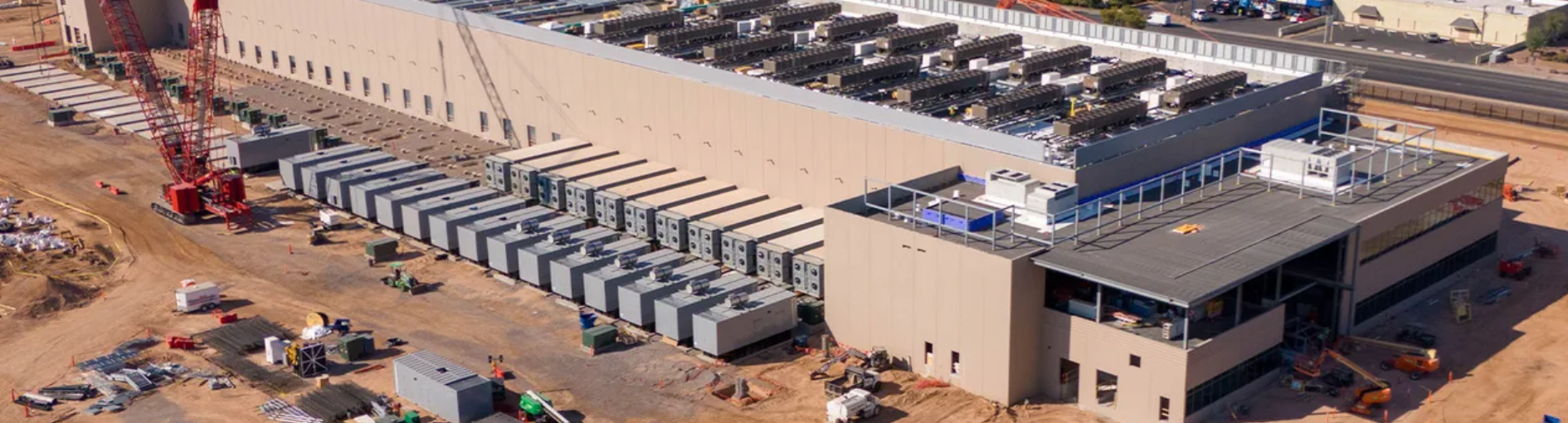
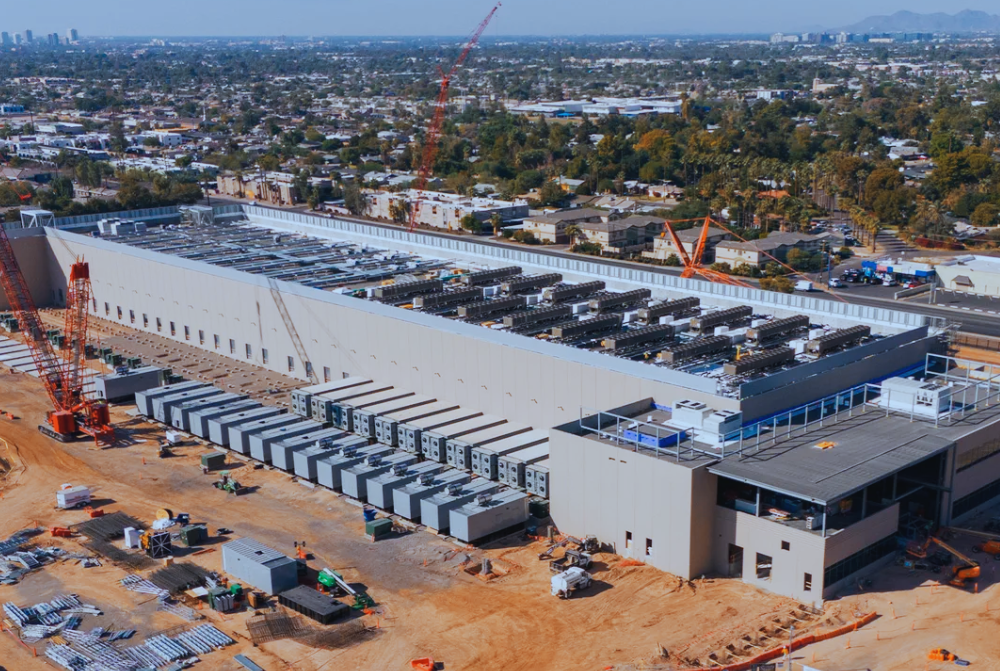
Managing vehicle and pedestrian safety on a construction site means keeping trucks, heavy equipment, and on-foot workers separated, reliably, and at scale. On a large data center construction site, where heavy vehicle movements are constant and dozens of trades are working in close proximity, that's a serious operational challenge.
This post covers the key safety risks specific to data center construction sites, how driver inductions, exclusion zones, and vehicle access controls work in practice, and how construction logistics software helps site teams manage all of it without relying on paper systems or manual processes.
Why Vehicle-Pedestrian Safety Is a Critical Risk on Data Center Builds
Vehicle-pedestrian conflict is one of the leading causes of serious injury on construction sites. When trucks, concrete mixers, crane operations, and foot traffic share the same space without clear coordination, the risk is real — and on a large data center site, the exposure is higher than most.
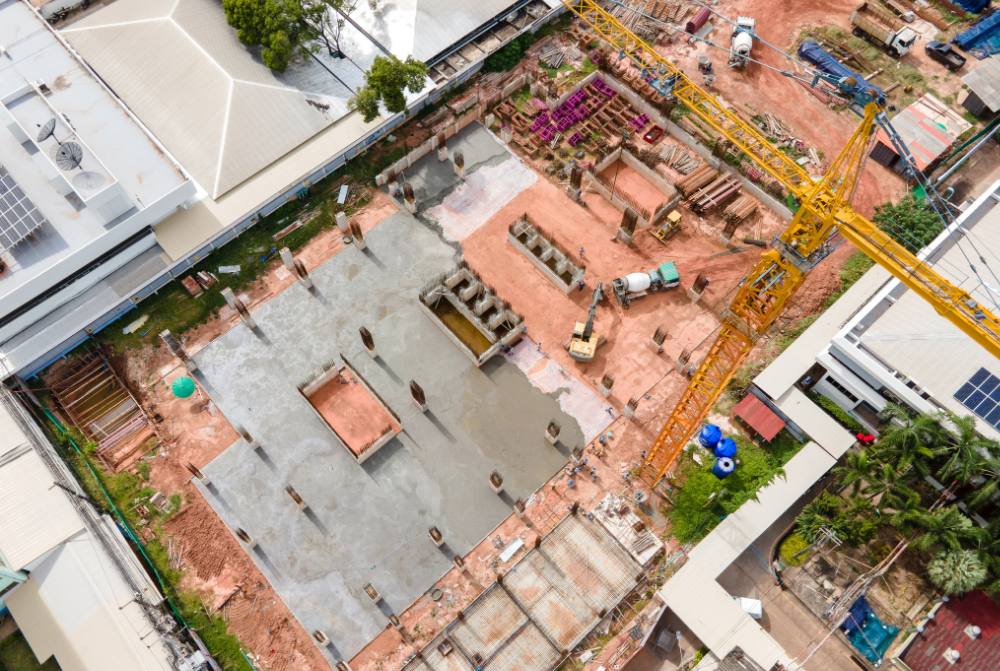
A hyperscale data center build might have dozens of heavy vehicle movements per day, multiple cranes operating concurrently, and hundreds of workers on site across trades. The sheer density of activity means that the margin for a vehicle-pedestrian incident is narrow.
The risks multiply when site access isn't properly controlled. Drivers who haven't completed a site induction don't know the exclusion zones. Vehicles arriving outside their booked slot end up navigating a site that isn't prepared for them. Crane swing areas that aren't clearly flagged in the delivery schedule lead to deliveries being received in the wrong location at the wrong time.
These aren't theoretical risks. They're the kind of incidents that WorkSafe, OSHA, WSH Council, and DOSH investigations regularly trace back to gaps in induction, inadequate exclusion zone management, or vehicle movements that weren't properly coordinated.
What Is a Driver Induction and Why Is It Required in Some Countries on Construction Sites?
A driver induction is a safety briefing completed by every driver before they're permitted to enter a construction site. It covers site rules, vehicle access routes, speed limits, exclusion zones, and emergency procedures. The goal is to make sure every driver entering the site understands the environment they're operating in before they start moving.
Driver inductions are a legal requirement on construction sites in Australia and New Zealand, and are mandated under workplace safety legislation in Singapore and Malaysia. In the US, there's no prescribed driver induction requirement by name — but OSHA's General Duty Clause and site-specific training obligations mean that any well-run data center construction site should have an equivalent process in place. On projects of this scale and complexity, it's not optional in practice, even where it isn't spelled out in law.
The problem with paper-based inductions is that they create gaps. Paper forms get lost. Induction records aren't easily searchable. Expired inductions go unnoticed. Drivers who have completed an induction on a previous visit turn up with no record on file.
Digital driver inductions close these gaps. Veyor's induction system is completed before entry. The record is stored automatically. Induction expiry triggers an alert, so re-inductions happen before they become a compliance issue, and not after.
How Do Exclusion Zones Work on a Busy Construction Site?
Exclusion zones are designated areas on a construction site where certain activities — vehicle movements, pedestrian access, or particular trades — are restricted during specific periods. A crane lift, an active concrete pour, or a high-voltage electrical installation might all require an exclusion zone for the duration of the work.
The challenge on a large data center build is communicating exclusion zone status in real time to everyone who needs to know, and making sure delivery bookings account for them.
If a delivery is scheduled into a zone that will be under exclusion during that window, the site team needs to know before the truck leaves the depot, not when it arrives at the gate.
Construction logistics software handles this by flagging exclusion zones at the point of booking. When a subcontractor is scheduling a delivery, active exclusion zones are visible in the system. The booking is routed to an available access point that doesn't conflict. If an exclusion zone is activated after a delivery is already booked, the system flags the conflict so the site team can reschedule.
Veyor manages exclusion zones as part of the booking and scheduling workflow for construction logistics management. Easily bulk-shift the schedule when exclusion zones become active after bookings have already been made. Notification are sent to drivers and teams.
How Does Logistics Software Reduce Vehicle Safety Incidents on Site?
Construction logistics software reduces vehicle safety incidents by removing the coordination gaps that create them. Specifically:
Controlled access. Every vehicle that enters site has a booked slot, a completed driver induction, and a known destination. There are no unannounced arrivals navigating an unprepared site.
Real-time GPS tracking. Site managers know where every vehicle is at all times. If a vehicle strays from its approved route or enters a restricted area, it's visible immediately.
Exclusion zone management. Active exclusion zones are reflected in the booking system so deliveries are never scheduled into a conflict — and if one arises, the site team is alerted before it becomes an incident.
Automated induction management. Every driver's induction status is checked at the gate. Expired or missing inductions are flagged before entry, not discovered during a post-incident review.
Digital records. Every induction, vehicle movement, and delivery is logged automatically. If an incident does occur, the full access history is available immediately for investigation or regulatory purposes.
FAQ: Construction Site Safety
What is a driver induction in construction?
Before entering a construction site, every driver must undergo a driver induction, which serves as a vital safety briefing. This process ensures that everyone on a construction site is familiar with site-specific regulations, designated access paths, speed restrictions, hazardous exclusion zones, and what to do in an emergency. These inductions can be handled at the gate or through digital platforms prior to arrival, allowing for automated record-keeping to support compliance. The objective is to ensure that all drivers are fully aware of their surroundings and the site's unique operational environment before they begin any vehicle movements.
What are exclusion zones on a construction site?
Exclusion zones are defined areas where access is restricted during specific activities — crane lifts, active pours, high-risk installations, or areas with overhead work. They protect workers and equipment by keeping unauthorized people and vehicles out of the danger area. On a well-managed site, exclusion zones are flagged in the delivery booking system so they're accounted for in scheduling.
How do you manage vehicle-pedestrian conflicts on a construction site?
The most effective approach is to separate vehicle and pedestrian routes wherever possible, control vehicle access through a booking system, ensure every driver completes a site induction, and use GPS tracking to monitor vehicle movements in real time. When all of this is managed through a single logistics platform, the coordination gaps that typically lead to conflicts are eliminated.
What is Chain of Responsibility in construction safety?
Chain of Responsibility (CoR) is a legal framework in Australia that places safety obligations on everyone in the heavy vehicle supply chain — not just drivers. For construction sites, this means site owners, head contractors, and subcontractors all carry obligations to ensure heavy vehicles operate safely. Digital records of inductions, vehicle movements, and delivery history are the primary evidence of CoR compliance. Although CoR is not a requirement in the US and other countries, it is a way to manage risk of heavy vehicle transport activities.
How does construction software help with WHS compliance?
Purpose-built construction logistics software supports WHS compliance by automating the processes that are most commonly done inconsistently on paper: driver inductions, exclusion zone communication, vehicle access records, and delivery documentation. Veyor stores all of this digitally — searchable, timestamped, and available for audit or investigation at any time.
See how Veyor manages driver inductions and site safety on data center builds. [Book a demo →]

.avif)


Get the latest insights into your inbox