Construction Logistics Plan: All You Need To Know
.png)
.avif)
Construction projects are complex and challenging. Successful management requires careful coordination of various elements which are coordinated through a Construction Logistics Plan. A well-designed logistics plan is crucial to ensure smooth operations, timely delivery of materials, and efficient use of resources. Discover how to optimize your construction project through effective logistics management.
What Is A Construction Logistics Plan?
A construction logistics plan (CLP) is a document that outlines the strategy for managing the logistics of a construction project. It is a comprehensive plan that considers all aspects of logistics management, including scheduling, transportation, material management, personnel, safety, and security.
What To Include In A Construction Logistics Plan?
A construction logistics plan should include the following elements:
- Scheduling: A detailed schedule of all activities related to logistics management, including delivery dates, timelines, and deadlines.
- Benchmark Tracking: A system for tracking and measuring progress against specific milestones to ensure that the project stays on track.
- Risk Management: A plan for identifying, assessing, and mitigating risks related to logistics management.
- Site Security: A plan for ensuring the safety and security of the construction site, including access control, surveillance, and security personnel.
- Personnel Meeting Areas: A plan for providing designated areas for meetings, training, and rest for personnel involved in logistics management.
What Are The Factors You Should Consider In Construction Site Logistics?
To ensure effective construction site logistics, it is important to carefully consider several crucial factors, including:
Site Location and Accessibility
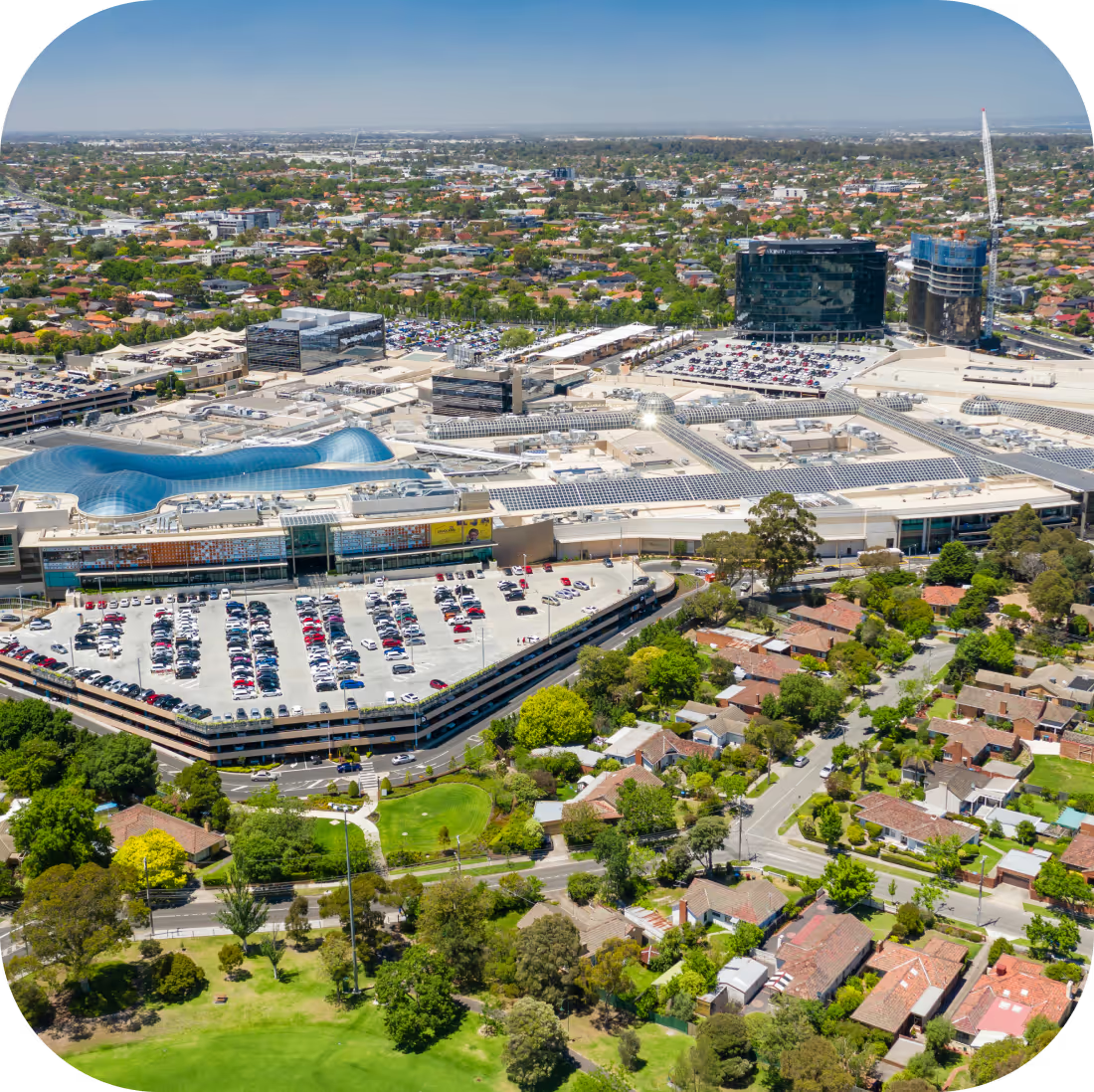
The location of the construction site plays a vital role in logistics planning. Assessing the site's accessibility routes, suppliers, and neighboring areas is crucial for determining the most efficient way to coordinate the teams working on and off-site, as well as the deliveries coming in.
Material Storage and Management
Efficient material storage and management are essential for construction site logistics. Proper planning and organization of storage areas are necessary to optimize material handling, inventory management, and ensure timely availability of materials when needed.
Deliveries
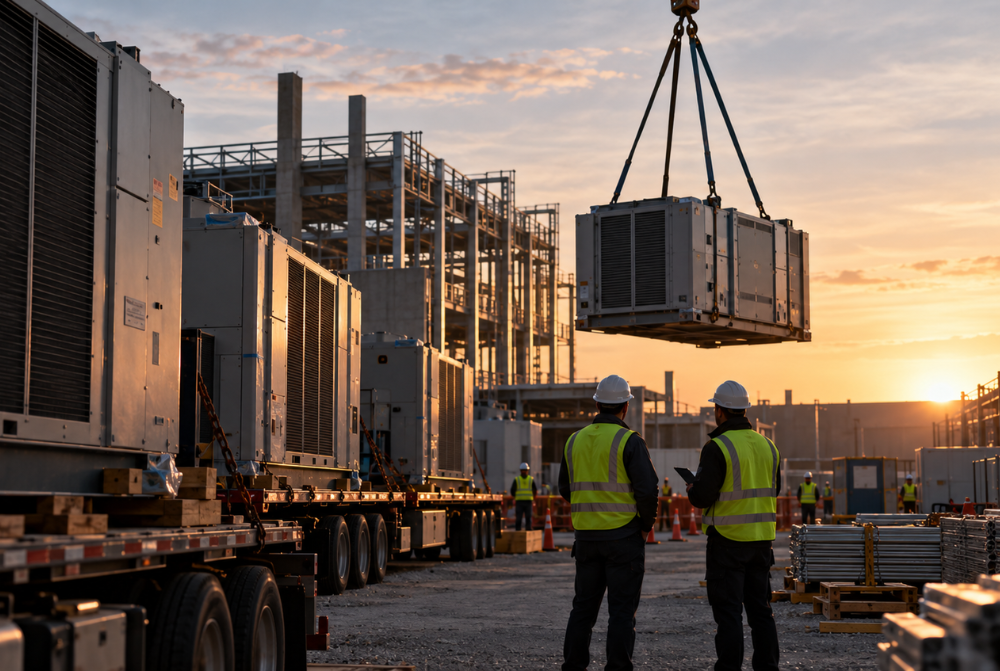
Developing strategies for efficient transportation and delivery of materials to the construction site is vital for seamless operations. Consideration should be given to factors such as load capacity, traffic conditions and regulations, and delivery timeframes. By incorporating Veyor, easily coordinate with logistics partners with real-time notifications, and take advantage of GPS tracking of deliveries to enhance efficiency and minimize delays.
Safety and Security
When it comes to safety and security in construction site logistics, there is no room for compromise. It is of utmost importance to implement comprehensive plans and protocols that prioritize the well-being of workers, protect valuable equipment, and prevent theft or damage.
Environmental Impact
Construction projects have an environmental impact, and it is essential to consider sustainable practices in logistics planning. This includes minimizing carbon emissions by optimizing transport routes. With Veyor, easily track the CO2 emissions of deliveries. Leverage data and rely on visual insights to make more informed decisions. By considering the environmental impact, construction site logistics can align with eco-friendly principles and contribute to a more sustainable construction industry.
Workforce Management
Efficient workforce management is vital for construction site logistics. This involves coordinating personnel, subcontractors, and other project stakeholders to ensure seamless collaboration. Some important factors to consider are effective communication channels, proper scheduling of tasks, and the implementation of strategies to optimize productivity and avoid bottlenecks.
Communication and Coordination
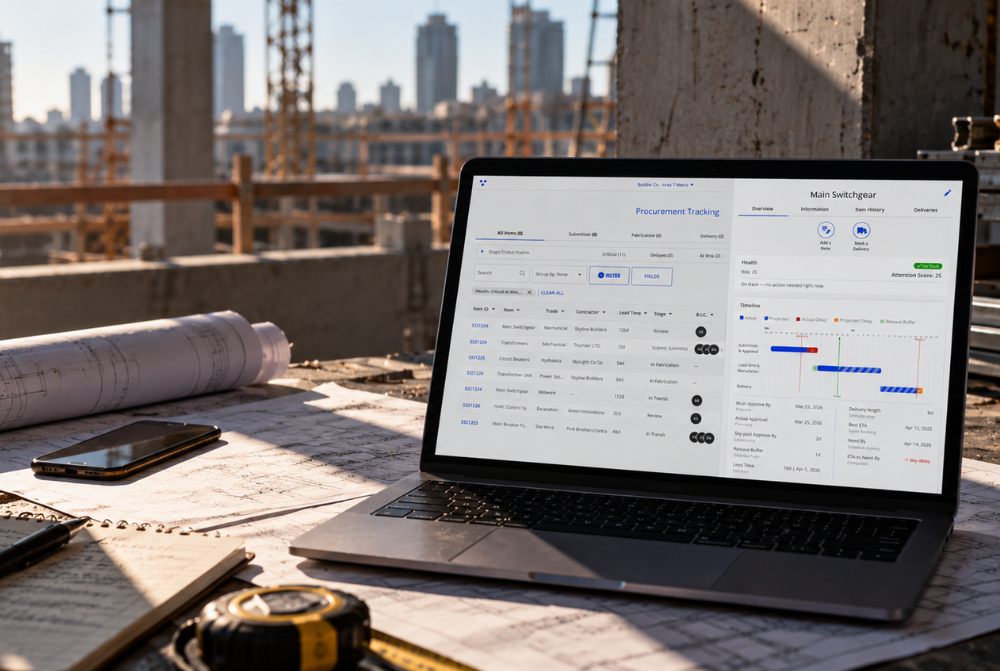
Effective communication and coordination among all stakeholders are essential for successful construction site logistics. Meetings, phone calls, messages and digital work around systems such as spreadsheets increase miscommunication, wasted time, unproductivity and chaos. Consider adopting Veyor’s Construction Logistics Software to keep teams on the same page and enable one source of truth. Veyor seamlessly coordinates multiple teams and stakeholders with just a few clicks.
What Are The Challenges Of Construction Logistics Planning?
Construction logistics planning comes with its fair share of challenges. Several factors play a big part in planning Construction Logistics, including:
Material and Transport Planning
One of the primary challenges in construction logistics planning is ensuring the timely delivery of the right materials to the designated locations. This task becomes more complex in large-scale projects with multiple suppliers, diverse materials, and intricate delivery schedules. Coordinating with suppliers, managing inventory levels, and optimizing transport routes are crucial to minimize delays, prevent shortages, and maintain an uninterrupted flow of materials to the construction site.
Resource Optimization
Efficient resource allocation is another significant challenge in construction logistics planning, especially when dealing with multiple tasks simultaneously. Project managers need to juggle various resources such as labor, equipment, and materials across different project phases and ensure their availability at the right time and place. Optimizing resource allocation requires careful planning, coordination, and the ability to anticipate potential bottlenecks or resource conflicts.
Team Training
The logistics team plays a critical role in the successful execution of construction logistics plans. However, handling the complexities of construction logistics requires specialized knowledge and skills. Ensuring that the logistics team is well-trained and equipped to handle the challenges they may encounter is vital. This includes providing training on logistics processes, safety protocols, communication tools, and relevant technology to enhance their efficiency and effectiveness.
Safety Compliance
Construction logistics planning must adhere to strict safety regulations and compliance standards to protect the well-being of workers, equipment, and the environment. Compliance with safety protocols ensures that construction sites are secure and that workers operate in a safe working environment. Stay updated on safety regulations, implement comprehensive safety programs, conduct regular inspections, and enforce safety measures to mitigate risks and maintain compliance throughout the project's lifecycle.
Introducing Veyor: Streamlining Construction Logistics
To further enhance construction logistics planning and management, consider adopting Veyor, an innovative solution designed to streamline operations and improve communication among project stakeholders. With Veyor, easily manage and monitor the entry of trucks into the site, ensuring efficient traffic flow and reducing congestion. Additionally, track CO2 emissions, and rely on visual insights to make more informed decisions that align with sustainability goals.
By integrating Veyor's system, communicate in real-time with team members, suppliers, contractors, and subcontractors seamlessly, reducing the need for lengthy meetings and avoiding conflicts between subcontractors throughout the project. As a result, improve collaboration and efficiency for a successful project.
Effective construction logistics planning is essential for the success of any construction project. A well-designed and executed logistics plan can help ensure that materials are delivered on time, workers are managed efficiently, and the project is completed within budget and schedule. Veyor’s Delivery Management System makes the process seamless and easy to manage.
Start Your Construction Logistic Planning Today with Veyor!

Get the latest insights into your inbox