Automated vehicle access control system

Know every plate. Control every gate.

Connect vehicle recognition to bookings, gate actions, site workflows, and a searchable audit trail. Veyor automates the access decisions behind every arrival, so approved vehicles keep moving and exceptions get attention.
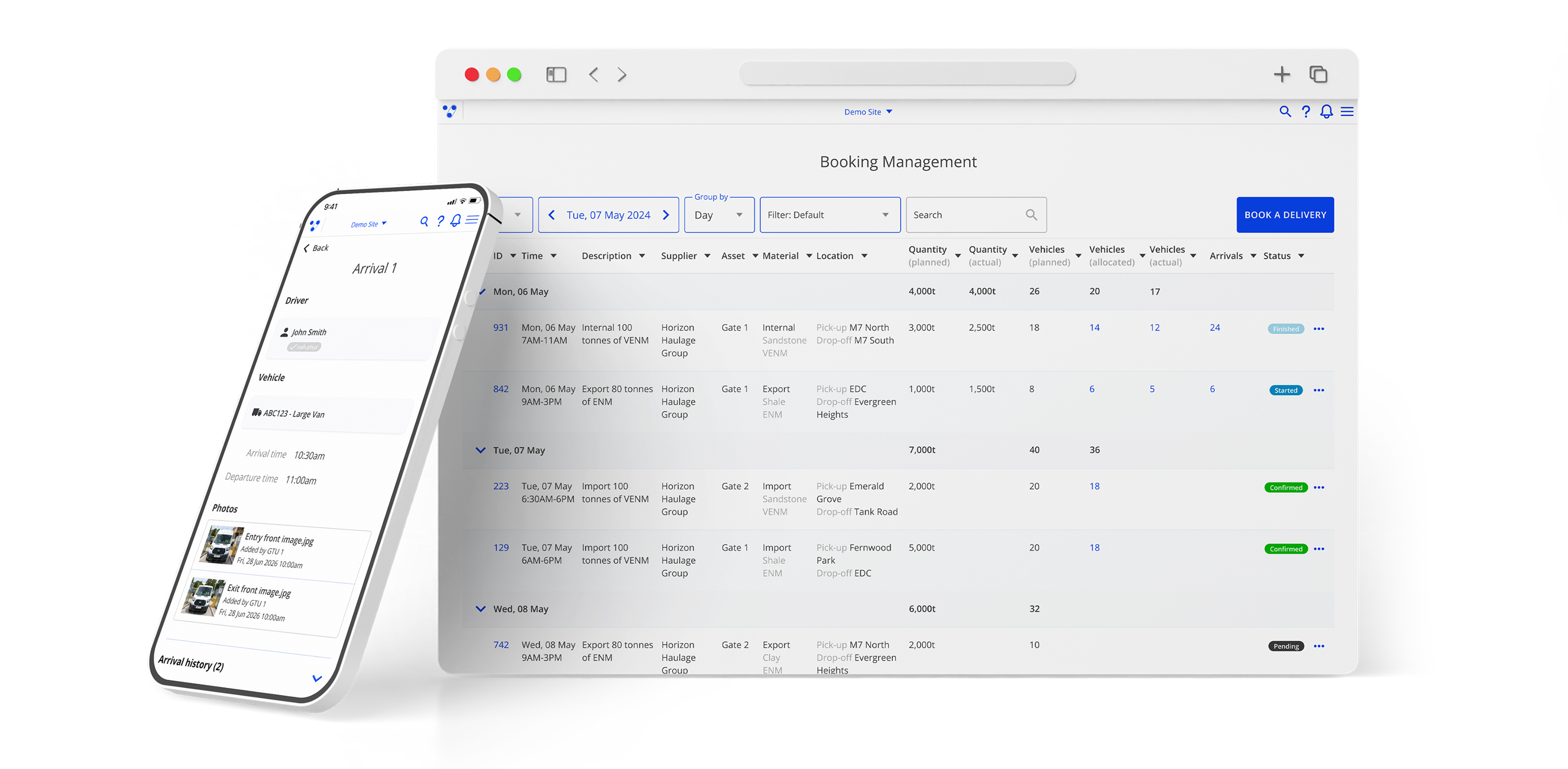
Vehicle Recognition is only the first step

Cameras can tell you a vehicle arrived. Veyor controls what happens next.

Too many gates and loading docks still rely on radio calls, spreadsheets, clipboards, and manual checks. That makes it harder to confirm who is expected, respond to an unknown vehicle, and find the record later.


Veyor Vehicle Access Control turns each plate scan into an automated decision, action, and record. It checks the vehicle against bookings, approved lists, and site rules, then triggers the configured next step at the gate. Your team focuses on the exceptions instead of checking every vehicle by hand.

USE CASES

Automate

vehicle entry. Keep every site moving.

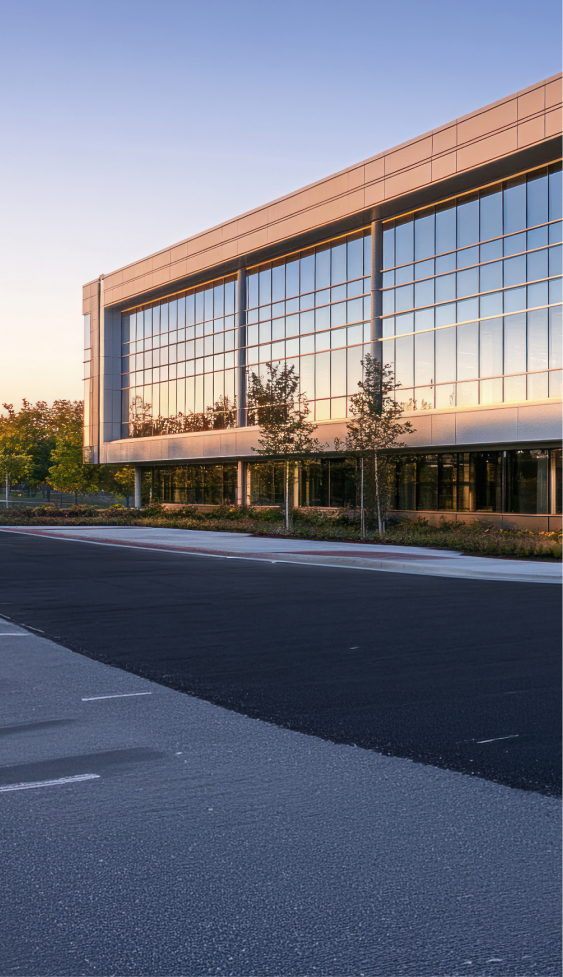
Commercial buildings

and loading docks

Control and automate vehicle access across shared docks, back-of-house areas, and service zones.
Match arriving vehicles to approved bookings and access rules
Trigger configured gate and dock actions
Flag early, late, unknown, or restricted arrivals
Reduce radio calls and manual gate checks

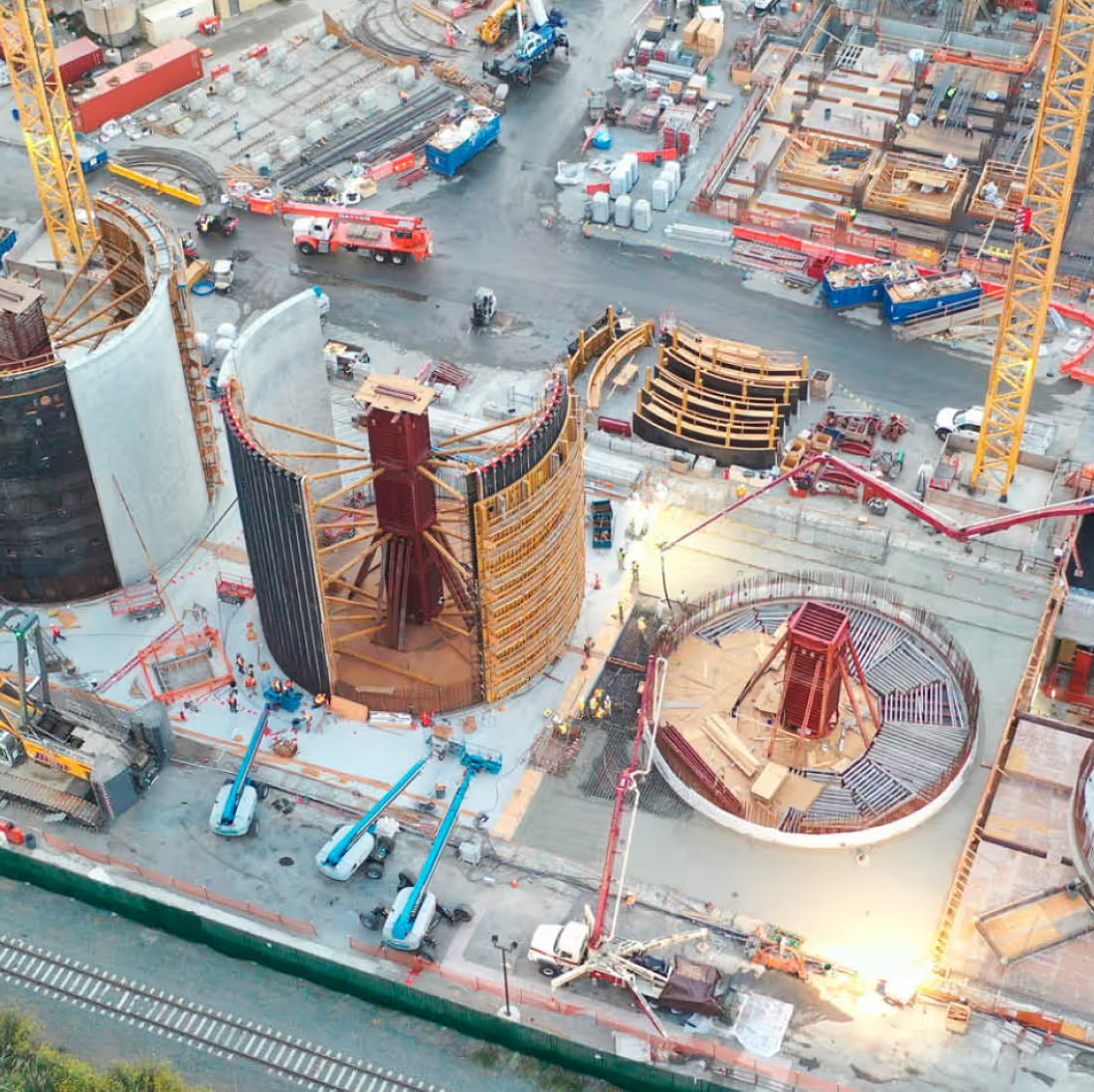
Warehouses and

distribution sites

Give operations and security teams a faster, more consistent way to manage vehicle entry.
Verify scheduled pickups and deliveries
Automate access for approved repeat vehicles
Hold restricted or unknown vehicles for review
Search arrival, departure, and access records in one place

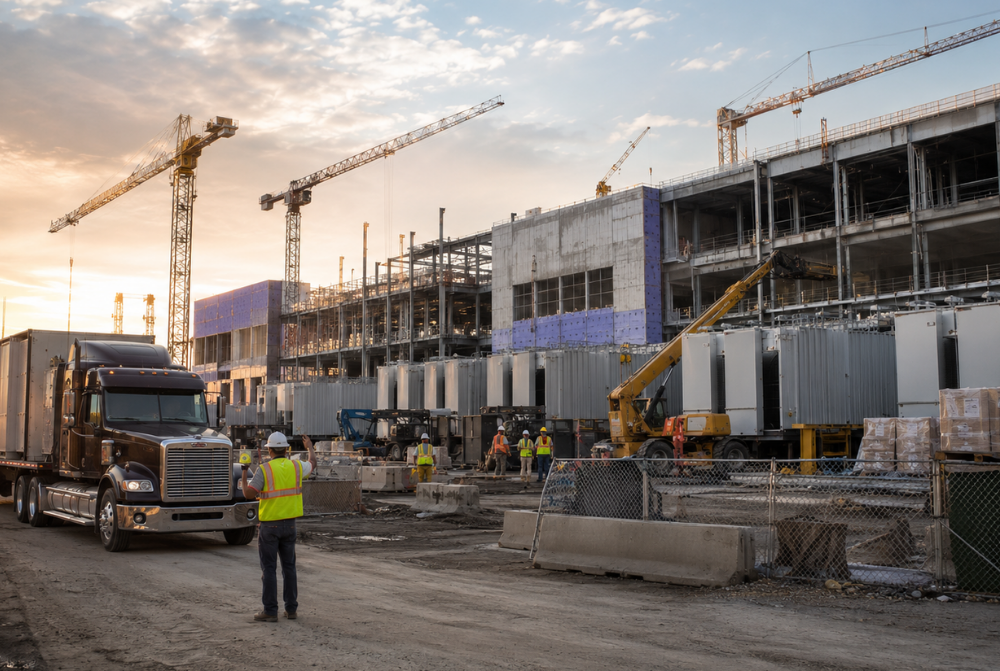
Construction and

infrastructure sites

Connect automated gate access to delivery bookings and site logistics.
Verify delivery and contractor vehicles before entry
Reduce gate administration during busy periods
Improve visibility over site traffic and vehicle movements
Keep a reliable record for safety, operations, and review

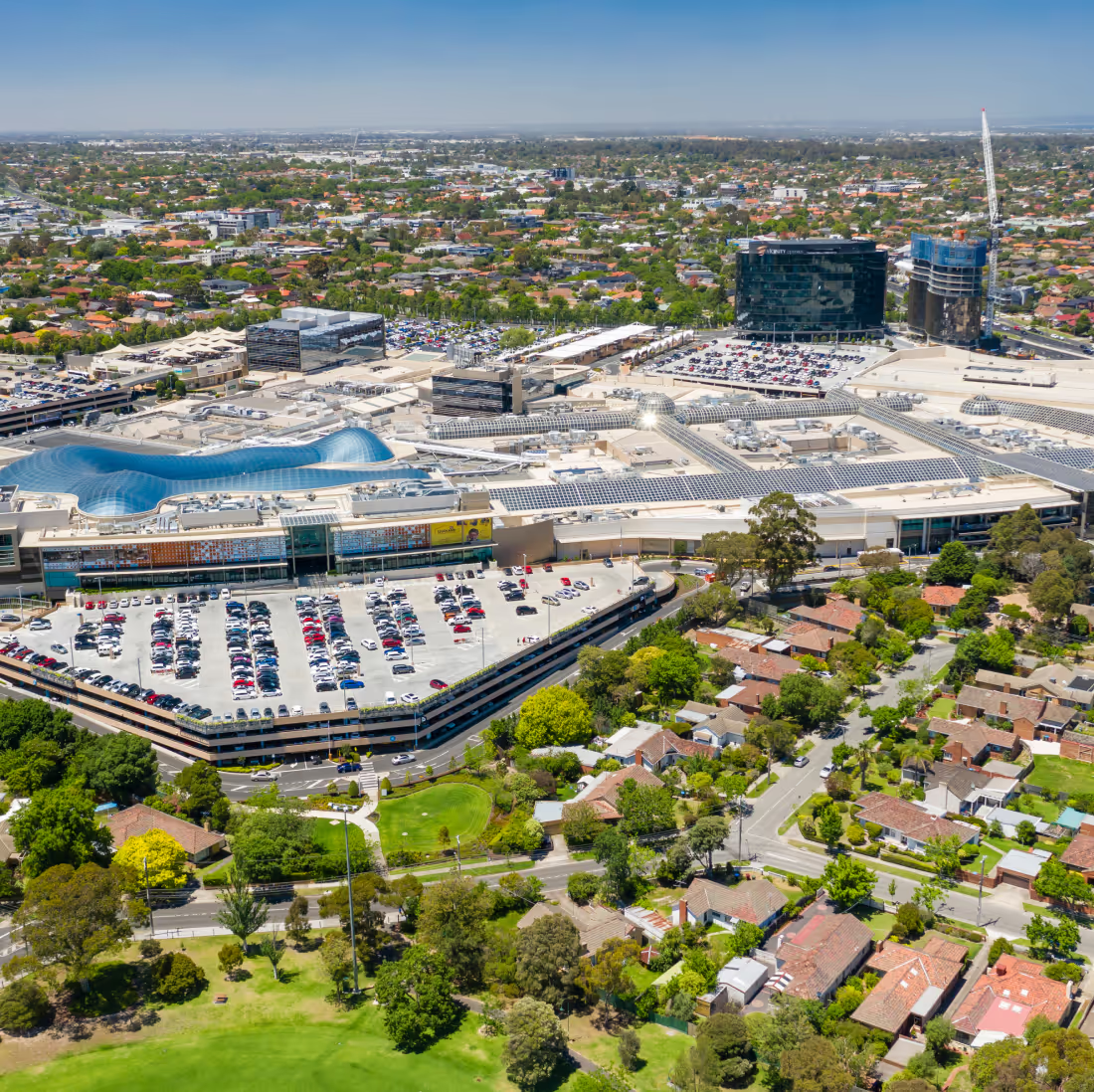
Stadiums, precincts, and large facilities
Apply consistent vehicle access rules across busy, mixed-use environments.
Manage service, contractor, and event traffic
Reduce congestion from unplanned arrivals
Automate routine entry while escalating exceptions
Keep operations and security aligned with one live record

License plate recognition identifies the vehicle.
Veyor controls what happens next.

Automated plate recognition

License plate recognition (LPR) identifies arriving vehicles and checks their registration against bookings and access rules,
starting the access workflow without a manual plate check.

Additional vehicle
and load imaging

Depending on the site setup, additional camera coverage can capture images of vehicles, materials, and loads to support operational reviews and the identification of visible vehicle defects.

Real-time booking verification

Match each plate to live booking data and confirm whether the vehicle is expected.

Entry Control

Classify vehicles, drivers, or requestors as Scheduled, Trusted, or Restricted. Trusted vehicles can enter without a booking. Restricted arrivals require review or an approved booking.

Automated gate actions

Where configured, Veyor can trigger the right physical action, including opening, holding, flagging, notifying, or escalating.

Exception
handling

Flag unplanned, early, late, restricted, or unknown vehicles before they create congestion, security concerns, or delays.

Searchable

audit trail

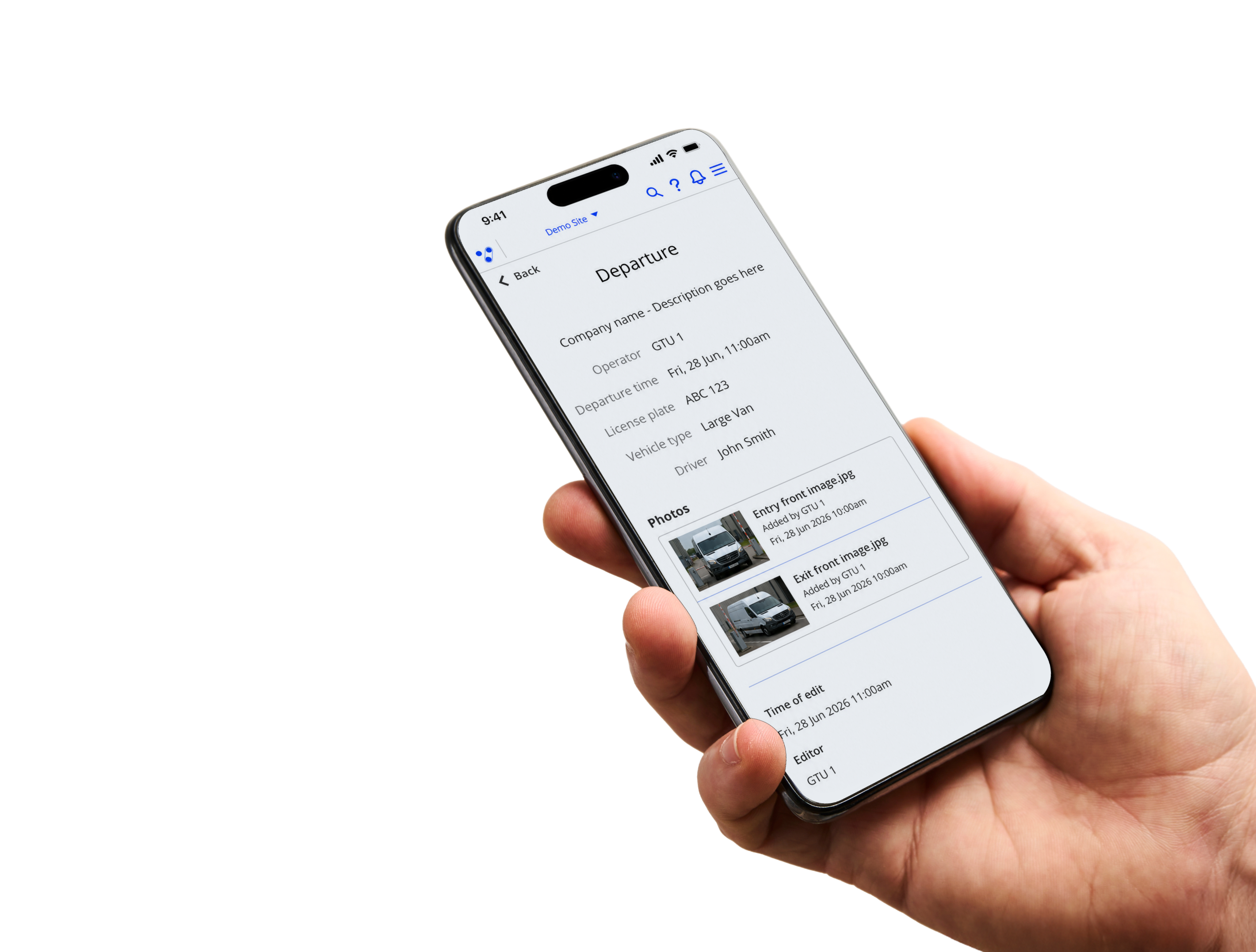
Capture the plate, timestamp, image, booking reference, decision, and action taken in one searchable record.

Access accountability

Record the reason behind restrictions and notify the relevant people when access status changes.

Connected site operations

Connect vehicle access to bookings, loading dock activity, deliveries, alerts, and movement records.

Automated access, connected to your physical site

Hardware and automation integrations

Veyor integrates with DDI Labs to connect vehicle recognition and site hardware to automated access workflows.

Australian heavy vehicle registration data

Veyor integrates with National Heavy Vehicle Regulator registration data. When LPR captures a heavy vehicle registration, Veyor checks it against the latest available records to retrieve details such as vehicle type, weight, registration status, and expiry.
Physical infrastructure

Depending on site setup, Veyor can connect to LPR cameras, boom gates, traffic lights, turntables, roller shutters, bollards, and speed ramps through the relevant hardware and middleware setup.

Veyor workflows

Connect automated access to Veyor bookings, loading dock activity, delivery coordination, Entry Control rules, alerts, and searchable movement records.

A plate scan becomes a decision, an action, and a record

Coordinate deliveries, bookings, and access in one central construction management scheduling software. Tailored to your site, it gets your whole team working in sync. Track who's compliant, spot issues early, and improve operations.

‍

1

Plan

Schedule vehicle movements, define access rules, and set expectations before vehicles reach the gate.

2

Arrive

A vehicle approaches the site, dock, gate, or controlled access point.

3

Scan

LPR captures the plate and identifies the vehicle in real time.

4

Verify

Veyor automatically checks the plate against bookings, approved lists, Entry Control rules, and site requirements.

5

Act

Trigger the configured next step: open, hold, flag, notify, or escalate based on the vehicle and context.

6

Record

Capture the plate, timestamp, image, booking reference, decision, and action taken in a searchable audit trail.

Minimise delays and prevent disputes.
The proof is in the project
frequently asked questions (FAQ's)

From schedules to sign-off, in one central site material management software

What is an automated vehicle access control system?
An automated vehicle access control system identifies arriving vehicles, checks whether access should be approved, triggers the configured gate action, and records the outcome. Veyor connects this process to bookings, site rules, alerts, and live operations.
How does License Plate Recognition (LPR) support vehicle access control?
LPR captures the plate when a vehicle arrives. Veyor then checks the vehicle against bookings, approved lists, and Entry Control rules before triggering the configured action and recording the event. LPR reads the plate. Veyor controls what happens next.
Can Veyor integrate with on-premises access control hardware?
Yes. Veyor can integrate with on-premises access control systems and physical infrastructure, including cameras, boom gates, traffic lights, turntables, roller shutters, bollards, and speed ramps. Integration requirements depend on the site’s existing hardware and setup.
What can Veyor automate at the gate?
Depending on the site setup, Veyor can automate plate identification, booking checks, access-rule validation, alerts, and physical gate actions. Approved vehicles can follow the configured entry process, while exceptions are held, flagged, or escalated for review.
What is Veyor Entry Control?
Entry Control lets authorized teams classify vehicles, drivers, or requestors as Scheduled, Trusted, or Restricted. Trusted vehicles can enter without a booking. Restricted arrivals require review or an approved booking. This makes intelligent access decisions more consistent and accountable.
Can Veyor handle vehicles without a booking?
Yes. Unscheduled or unknown arrivals can be flagged for review. Sites with LPR automation can also use Trusted status for approved repeat vehicles that do not require a standard booking.
Can Vehicle Access Control work without Veyor delivery bookings?
Yes. Vehicle Access Control can support sites that do not schedule every arrival. When used with Veyor bookings, it adds an automated access layer to the scheduling workflow.
What information is recorded for each vehicle movement?
Depending on the site setup, records can include the plate, timestamp, image, booking reference, company details, access decision, and action taken. Teams can search records by plate, company, date, or booking reference.
Does Veyor work with existing gate infrastructure?
Yes. Veyor integrates with DDI Labs. Depending on the site setup, Vehicle Access Control can connect to cameras, boom gates, traffic lights, turntables, roller shutters, bollards, and speed ramps.
How does Veyor help teams keep visibility across materials from order to delivery?
Veyor gives crews one place to track what’s ordered, what’s delivered, and what’s missing across suppliers and work fronts. With material tracking, teams reduce lost tickets, prevent bottlenecks, and keep inventory and QA records consistent from dirt to steel.
What makes Veyor a reliable construction material tracker for complex projects?
Veyor acts as a digital construction material tracker that connects planning, delivery, and materials approval in one workflow. Teams can coordinate engineered materials, verify loads on arrival, and maintain audit-ready records without spreadsheets or fragmented communication.

Know every plate. Control every gate.

Automate vehicle access from plate scan to gate action. Veyor connects recognition, bookings, Entry Control rules, alerts, and movement records in one connected workflow.