Discover the 9 Critical Factors in Construction Site Logistics


In the fast-paced and demanding world of construction, efficient site logistics are essential for the success of any project. Effective management of logistics ensures smooth operations, timely delivery of materials, and optimised workflow. There are several critical factors that influence effective management and good construction site logistics. Learn how to handle logistics on a construction site and understand the key elements of effective site logistics planning to streamline operations, reduce costs, and maximise project outcomes.
What Are Site Logistics?
Site logistics refer to the coordination and management of various activities, resources, and personnel within a construction site. They serve as the backbone that ensures the smooth functioning and optimal performance of the entire project. This includes material and delivery management, traffic flow, security measures, access planning, and other elements that contribute to the smooth functioning of the site.
Why Site Logistics Are Important In Construction?
Efficiency and productivity are the pillars of successful construction projects. Site logistics play a vital role in achieving these objectives. By effectively managing logistics and having an optimal construction logistics plan, construction companies can minimise delays, reduce costs, and enhance overall project performance. Efficient site logistics ensure that all resources, materials, and personnel are strategically coordinated, leading to improved productivity, higher customer satisfaction, and increased profitability.
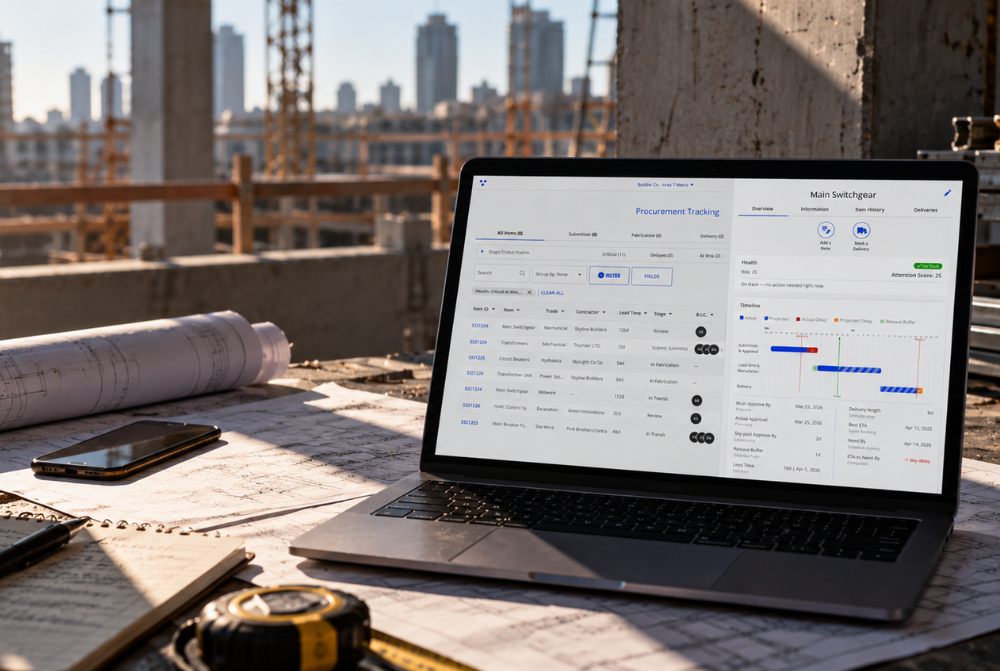
With Veyor’s Delivery Management System, construction companies can streamline their construction logistics and ensure the smooth flow of resources, materials, and deliveries on the project site. Its super user-friendly design allows on-site teams and subcontractors to effortlessly book deliveries, capturing all the necessary data for rich insights, simplifying the logistics process and allowing for the seamless coordination and efficient management of deliveries.
What Are The Key Elements of Effective Site Logistics Planning?
Effective site logistics planning encompasses several key elements that are crucial for seamless operations and successful project execution. Let's explore the nine critical factors that contribute to successful logistics management on a construction site:
1. Familiarity with the Local Environment
Understanding the local environment is crucial for efficient logistics planning. Factors such as local regulations, weather conditions, and infrastructure play a significant role in determining the logistics strategy. By having a deep understanding of the local environment, construction professionals can anticipate challenges and plan accordingly.
2. Consideration of the Physical Site
Each construction site has unique physical characteristics that must be considered during the planning of logistics. Factors such as site layout, topography, and available space for material storage and equipment movement can impact logistics operations significantly. By carefully assessing the physical site, construction teams can optimise the layout and design a logistics plan that maximises efficiency.
3. Understanding Jurisdictional Constraints
Construction projects often face jurisdictional constraints, such as permits, zoning restrictions, and traffic regulations. A thorough understanding of these constraints is vital for logistics planning. By working closely with local authorities and obtaining the necessary permits in advance, construction teams can ensure smooth operations while complying with legal requirements.
Veyor’s Scheduling Software simplifies and digitises the process. Thanks to Veyor’s live GPS delivery tracking and digital pre-start checklists features, construction companies can easily maintain compliance. The system automatically gathers and archives all data necessary to prove due diligence in case of an accident and ensures smooth operations.
4. Planning for Efficient Traffic Flow
Traffic congestion can significantly impact construction site productivity. Effective logistics planning involves analysing traffic patterns, coordinating delivery schedules, and implementing measures to optimise traffic flow. This includes establishing designated entry and exit points, scheduling deliveries during off-peak hours, and providing clear signage to direct vehicles within the site.
Veyor's intuitive software simplifies the process of planning and coordinating deliveries, ensuring efficient traffic flow on construction sites. With its user-friendly interface, subcontractors can easily schedule deliveries and receive instructions on which entry and exit points to use. Veyor’s Construction Logistics Software centralises all delivery-related information, facilitating real-time communication and collaboration
5. Identifying Areas for Material Storage
Efficient material storage is essential for streamlined operations. Logistics planning should include identifying suitable areas for material storage that minimise travel distances and reduce the risk of damage or theft. Construction teams should consider factors such as accessibility, security, and proximity to work areas when determining storage locations.
6. Planning for Building Access
Smooth access to the construction site is critical for maintaining productivity and minimising delays. A good Construction Logistics Plan should outline clear and efficient access points for construction vehicles, equipment and personnel. By carefully planning site access, construction professionals can avoid congestion and ensure timely completion of tasks.
Veyor’s Construction Logistics System allows teams on-site and subcontractors to book deliveries in a couple clicks. Meanwhile, Site managers or Superintendents can approve, edit or remove bookings with the simple Drag and Drop feature, easily avoiding congestion and bottlenecks.
7. Understanding Site Security Needs
Construction sites are vulnerable to theft, vandalism, and safety hazards. Logistics planning should incorporate comprehensive site security measures to protect personnel, equipment, and materials. This may include the installation of security cameras, fencing, access control systems, and implementing strict protocols for site entry and exit.
8. Planning for Crew Relief Areas and Site Offices
Providing adequate facilities for crew members, including restrooms, break areas, and site offices, is crucial for maintaining morale and productivity. Logistics planning should include provisions for these amenities, ensuring that they are conveniently located and easily accessible to the workforce.
9. Remaining Flexible and Adaptable
Construction projects are dynamic and subject to changes. Effective logistics planning involves remaining flexible and adaptable to accommodate unforeseen circumstances, such as schedule changes, design modifications, or unexpected delays.
By maintaining open lines of communication with Veyor’s real-time notifications, and being able to shift bookings in bulk in case of weather changes or other unforeseen events, construction teams can respond quickly and efficiently to evolving project needs.
Efficient site logistics management is a critical factor in the success of construction projects. Implementing effective logistics planning is essential for delivering projects on time, within budget, and to the satisfaction of all stakeholders involved.
Integrating Veyor can further optimise logistics by providing real-time communication, enhanced coordination, and streamlined data insights. By harnessing the power of Veyor, project teams can improve their logistics planning and management, overcome challenges, and achieve on-time, on-budget project completion.
Schedule Your Construction Site Logistics With Ease!



Get the latest insights into your inbox