Veyor Digital utilizes enterprise-grade best practices to protect our customersʼ data, and works with independent experts to verify its security, privacy, and compliance controls, and has achieved SOC 2 Type 2 report against stringent standards.
SOC 2 Report
We work with an independent auditor to maintain a SOC 2 report, which objectively certifies our controls to ensure the continuous security of our customers' data.
Developed by the Assurance Services Executive Committee (ASEC) of the AICPA, the Trust Services Criteria is the set of control criteria to be used when evaluating the suitability of the design and operating effectiveness of controls relevant to the security, availability, or processing integrity of information and systems, or the confidentiality or privacy of the information processed by the systems at an entity, a division, or an operating unit of an entity.
Continuous Security Control Monitoring
Veyor Digital uses Drataʼs automation platform to continuously monitor 100+ security controls across the organization. Automated alerts and evidence collection allows Veyor Digital to confidently prove its security and compliance posture any day of the year, while fostering a security-first mindset and culture of compliance across the organization.
Employee Trainings
Security is a company-wide endeavor. All employees complete an annual security training program and employ best practices when handling customer data.
Penetration Tests
Veyor Digital works with industry leading security firms to perform annual network and application layer penetration tests.
Secure Software Development
Veyor Digital utilizes a variety of manual and automatic data security and vulnerability checks throughout the software development lifecycle
Data Encryption
Data is encrypted both in-transit using TLS and at rest.
Vulnerability Disclosure Program
If you believe youʼve discovered a bug in Veyor Digitalʼs security, please get in touch at security@veyordigital.com. Our security team promptly investigates all reported issues.
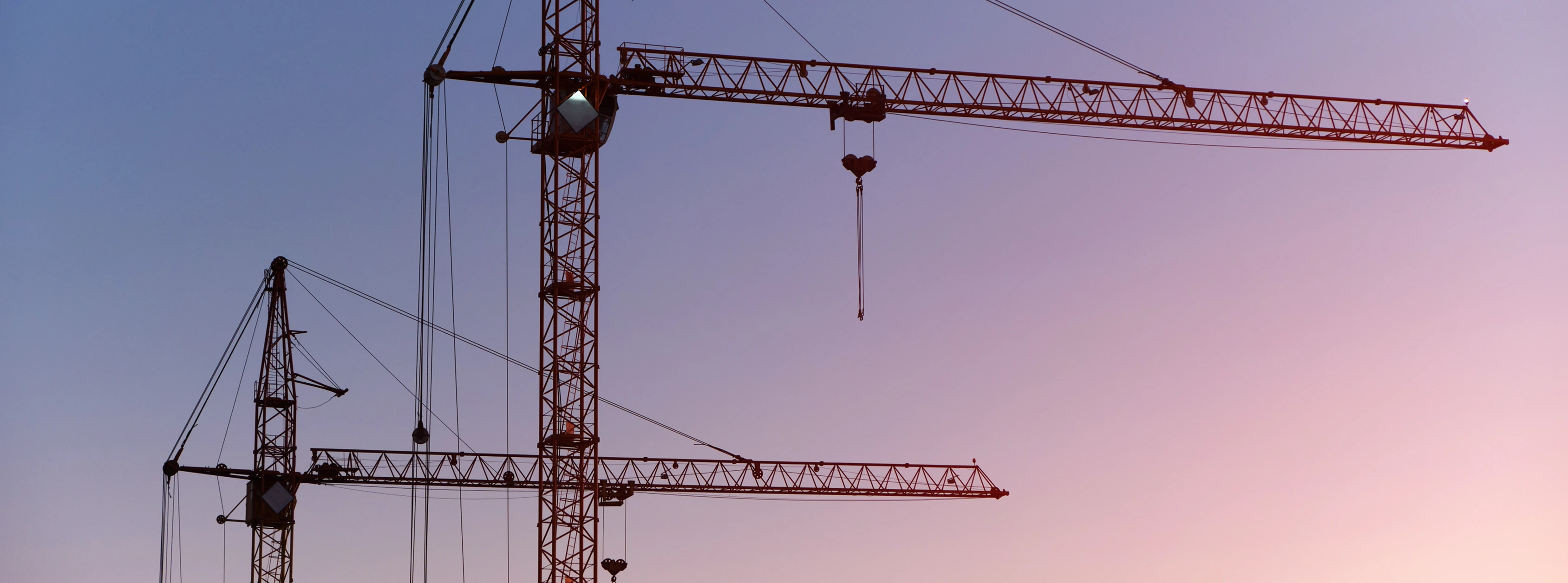
What Are Some Of The Challenges Of Crane Management ?
It being a complex process that requires careful planning, organization, and coordination, there are several challenges that Site Managers or Superintendents face when managing their cranes, such as:
1. Weather Conditions
Changing weather can significantly impact crane operations. High winds, rain, and snow can make it unsafe for cranes to operate, and extreme temperatures can affect the crane's performance. Site Managers or Superintendents need to keep an eye out for any difficult weather conditions and plan ahead for alternatives such as shifting materials using internal lifts or having set areas to store the additional materials when cranes can’t operate. For example, some site teams set up warehousing areas on-site to store surplus materials that helps teams keep busy when there is a slow down in material delivery flow.
2. Site Constraints
Many construction sites have limited space, making it challenging to maneuver cranes around. Careful planning of the crane’s movements needs to be coordinated to avoid any obstacles that could be in its path. Superintendents or Site Managers also need to consider the crane's height and weight limitations to avoid damaging the site's infrastructure. Additionally, the location of the crane, access to unloading zones on roads, and staging areas need to be taken into consideration to ensure that the crane can operate safely and efficiently.
3. Availability of Cranes
Depending on the size and complexity of the project, multiple cranes may be required. Site Managers or Superintendents need to ensure that there are enough cranes available to meet the project's needs and that the cranes are being used effectively to avoid downtime. When this isn’t planned properly at the start of the job, supplementary mobile cranes are often brought in, which come at a high cost.
4. Scheduling Conflicts
Construction projects involve many different subcontractors, each with their own schedules and timelines. Scheduling conflicts can easily arise when multiple teams need to use the crane at the same time, leading to delays and inefficiencies. Good collaboration between all parties involved is essential to ensure that the assets are being used efficiently.
5. Human Error
Crane operators and other on-site personnel need to be trained to operate the crane safely and efficiently. Poor communication, lack of experience, and scheduling clashes can lead to accidents on-site. In order to minimize the risk, Site Managers or Superintendents need to provide proper training and supervision to ensure that everyone on the site is collaborating and communicating. When new high risk activities are undertaken, it is also crucial that site teams perform an appropriate lift study that is audited by all key stakeholders prior to work commencing.
How to Optimize Your Crane Management?
To optimize your crane management, digital comprehensive solutions such as Veyor’s Construction Logistics Management Software are the way to go. Veyor offers a range of features that revolutionizes crane management with just a couple of clicks. Some of the features of Veyor include:
- Easy crane booking system
- Collaborative scheduling
- Real-time notifications about changes and cancellations
- Tracking of crane usage for actuals and planned data
- Comprehensive reporting and analytics
- Visual logistics board
Effective crane management is an essential aspect of construction logistics management. By optimizing crane usage, minimizing downtime, and ensuring safety, construction companies can save money, improve efficiency, and prevent accidents. With a comprehensive solution like Veyor, Site Managers or Superintendents can optimize their crane management and focus on their projects' success.