News & updates
Back to all articles

Put an End to Loading Dock Congestion with the Solution that’s Simplifying Bay Management

18.07.2024
2 mins
Share this post

Imagine a loading dock humming with seamless efficiency. No more oversized trucks squeezing into tight spaces, no more delays caused by congestion, and no more safety hazards lurking in blind spots. For most, this is nothing more than an unattainable dream - or so they thought.

Veyor's Bay Management feature is here to turn this vision into reality for facility and security managers across the country.

Is Your loading dock an asset or a liability?

Your loading dock is a crucial asset, playing a central role in your business's functionality. It facilitates the smooth flow of goods, impacting everything from customer satisfaction to operational costs. However, traditional loading dock management can turn what should be an asset into a serious liability due to:

  • Safety hazards: Large vehicles manoeuvring in cramped spaces create blind spots, increasing the risk of accidents involving forklifts, personnel, and property damage.
  • Traffic jams and delays: Improper bay allocation leads to congestion, delays in loading and unloading, and frustrated drivers.
  • Wasted space: Smaller vehicles parked in oversized bays leave no room for the big rigs they were designed for.
  • Compromised security: Vehicles blocking access points or creating blind spots pose security risks.
  • Asset deterioration: Without proper management, oversized vehicles can damage dock equipment and infrastructure, leading to costly repairs and decreased lifespan.

These issues not only cost time and money but also endanger the safety of staff, tenants and delivery personnel.

If this sounds all too familiar, it's time to reclaim control of your loading dock and unlock its full potential.

An all-in-one Bay Management solution 

Veyor Bay Management is a comprehensive solution that empowers you to transform your loading dock into a well-oiled machine. It takes all the biggest loading dock challenges and dangers and offers smart, streamlined solutions that improve overall loading dock operations.

Here's how it works:

Define vehicle maximum sizes for each bay: Simply add in the maximum height, width and length of each bay in your loading dock

Smart bay allocation: Assign specific bays to accommodate different vehicle sizes, ensuring a perfect fit every time.

Streamlined booking: Tenants, carriers and contractors select their vehicle type during booking, automatically filtering available bays.

Enhanced security: Eliminate unauthorized access and blind spots with clear bay allocation and controlled access.

More than just efficiency

While Veyors Bay Management helps to increase efficiency by streamlining loading and unloading processes, boosting productivity and reducing delays, it’s benefits stretch much further. This solution is all  about protecting your valuable loading dock asset by delivering:

  • Improved safety: Reduce the risk of accidents and create a safer environment for everyone.
  • Optimized space utilization: Ensure every bay is used to its full potential, eliminating wasted space.
  • Asset protection: Prevent structural damage and equipment wear and tear with controlled access and proper vehicle allocation.
  • Reduced maintenance costs: Regular inspections and proactive maintenance prevent costly repairs down the line.

Unleash the power of your loading dock

Don't let your loading dock become a bottleneck in your operations. Veyor Bay Management is the key to unlocking efficiency, safety, and optimal asset utilization.

Ready to transform your loading dock?

Contact Veyor Digital today for a free demo and discover how Bay Management and the rest of the Veyor platform can revolutionize your facilities loading dock experience. It's easier than you think!

What Are Some Of The Challenges Of Crane Management ?

It being a complex process that requires careful planning, organization, and coordination, there are several challenges that Site Managers or Superintendents face when managing their cranes, such as:

1. Weather Conditions

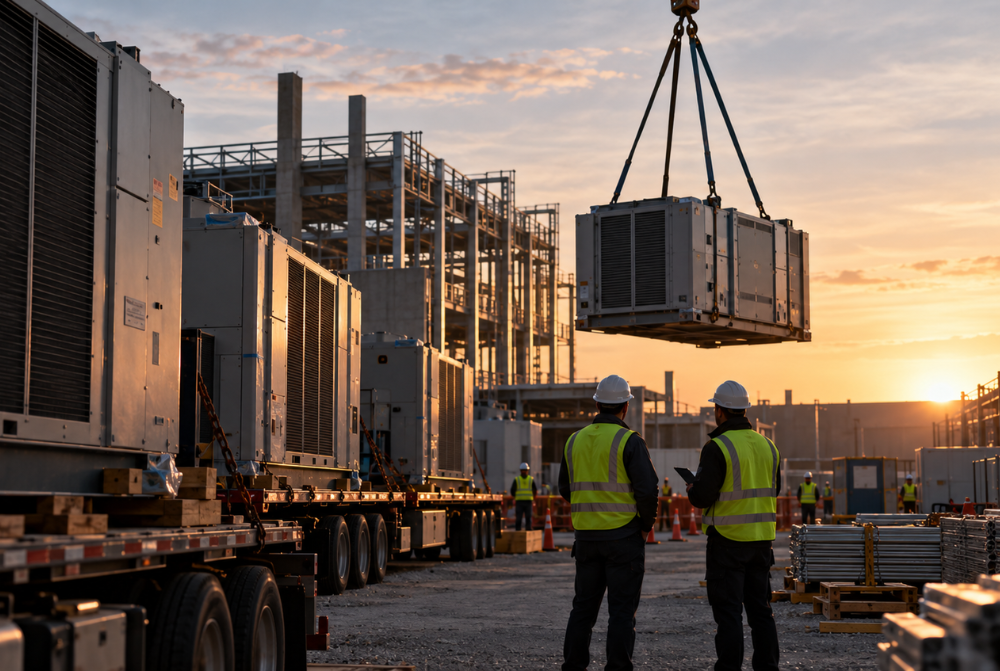
Changing weather can significantly impact crane operations. High winds, rain, and snow can make it unsafe for cranes to operate, and extreme temperatures can affect the crane's performance. Site Managers or Superintendents need to keep an eye out for any difficult weather conditions and plan ahead for alternatives such as shifting materials using internal lifts or having set areas to store the additional materials when cranes can’t operate. For example, some site teams set up warehousing areas on-site to store surplus materials that helps teams keep busy when there is a slow down in material delivery flow.

2. Site Constraints

Many construction sites have limited space, making it challenging to maneuver cranes around. Careful planning of the crane’s movements needs to be coordinated to avoid any obstacles that could be in its path. Superintendents or Site Managers also need to consider the crane's height and weight limitations to avoid damaging the site's infrastructure. Additionally, the location of the crane, access to unloading zones on roads, and staging areas need to be taken into consideration to ensure that the crane can operate safely and efficiently.

3. Availability of Cranes

Depending on the size and complexity of the project, multiple cranes may be required. Site Managers or Superintendents need to ensure that there are enough cranes available to meet the project's needs and that the cranes are being used effectively to avoid downtime. When this isn’t planned properly at the start of the job, supplementary mobile cranes are often brought in, which come at a high cost.

4. Scheduling Conflicts

Construction projects involve many different subcontractors, each with their own schedules and timelines. Scheduling conflicts can easily arise when multiple teams need to use the crane at the same time, leading to delays and inefficiencies. Good collaboration between all parties involved is essential to ensure that the assets are being used efficiently.

5. Human Error

Crane operators and other on-site personnel need to be trained to operate the crane safely and efficiently. Poor communication, lack of experience, and scheduling clashes can lead to accidents on-site. In order to minimize the risk, Site Managers or Superintendents need to provide proper training and supervision to ensure that everyone on the site is collaborating and communicating. When new high risk activities are undertaken, it is also crucial that site teams perform an appropriate lift study that is audited by all key stakeholders prior to work commencing.


How to Optimize Your Crane Management?

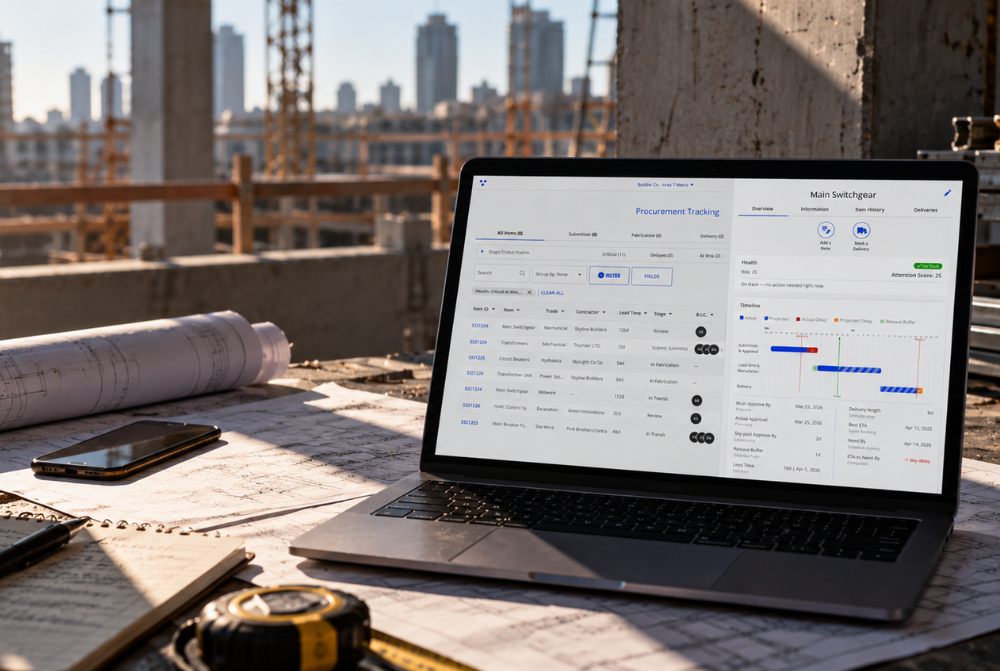
To optimize your crane management, digital comprehensive solutions such as Veyor’s Construction Logistics Management Software are the way to go. Veyor offers a range of features that revolutionizes crane management with just a couple of clicks. Some of the features of Veyor include:

  • Easy crane booking system
  • Collaborative scheduling
  • Real-time notifications about changes and cancellations
  • Tracking of crane usage for actuals and planned data
  • Comprehensive reporting and analytics
  • Visual logistics board


Effective crane management is an essential aspect of construction logistics management. By optimizing crane usage, minimizing downtime, and ensuring safety, construction companies can save money, improve efficiency, and prevent accidents. With a comprehensive solution like Veyor, Site Managers or Superintendents can optimize their crane management and focus on their projects' success.

Get the latest insights into your inbox

Thank you! Your submission has been received!
Oops! Something went wrong while submitting the form.