News & updates
Back to all articles

3 Biggest Misconceptions About Chain Of Responsibility In Construction

04.08.2025
2 mins
Share this post

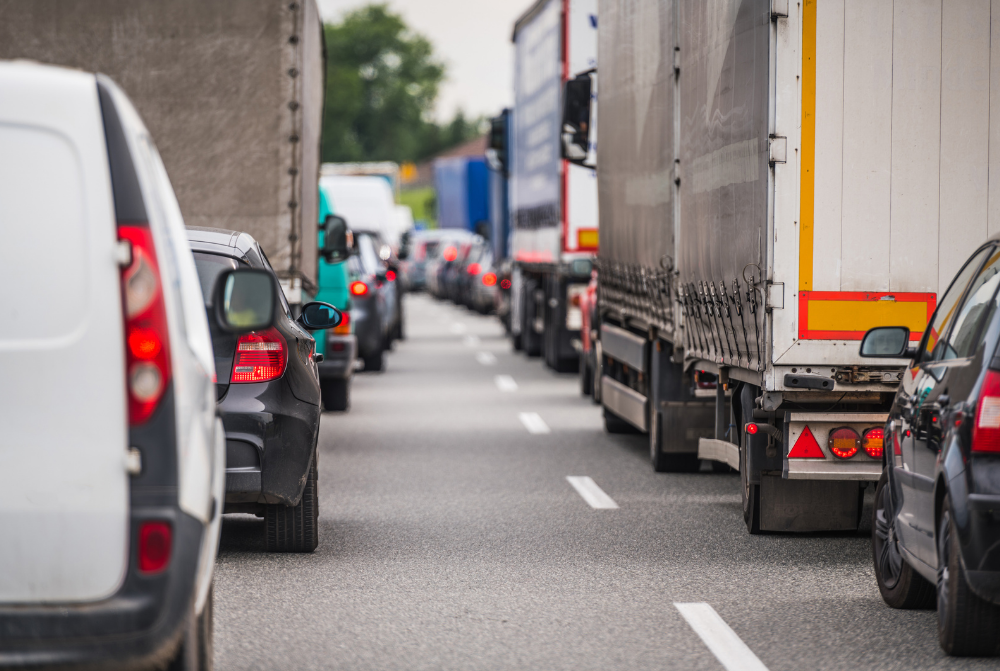
Chain of Responsibility is a component  of the Australia Heavy Vehicle National Law (HVNL) which aims to promote safety and efficiency in the heavy vehicle industry. The legislation was expanded in 2018 to recognise that every party in the supply chain plays an important role in ensuring heavy vehicle compliance and safety.  

Every party in the supply chain now shares a responsibility and is liable through indirect participation. This is why construction firms are required to maintain meticulous records to prove compliance; including route tracking, heavy vehicle compliance checklists, and much more. We understand CoR is intricate and hard to follow. So, here are the 3 Biggest Misconceptions About Chain Of Responsibility In Construction:

1 Builders are not responsible for Chain of Responsibility

Under the previous legislation, drivers were among the only liable parties. However, after the changes in 2018, heavy vehicle material transportation is now the responsibility of all parties, including builders.

Thanks to the Workplace Health and Safety (WHS) laws, employers are directly responsible for their employees health and safety, as well as other parties that could be affected by their work operations, such as pedestrians or contractors. This means that builders are directly liable for any damage or accidents caused when transporting materials in heavy vehicles. 

2 Paper Records Are Helpful And Easy To Manage

The shift from “reasonable diligence” to “all due diligence” brought with it big changes in the way businesses take steps to ensure they meet their CoR obligations. In order to prove compliance with Chain of Responsibility, businesses need to monitor policies and procedures, coordinate employee awareness and training, manage contracts, maintain compliance documents and produce executive reports, among other tasks.

While old ways have always been an industry favourite, new obligations have made it almost impossible for managing employees to keep a clear record of all efforts to comply with manual systems. From pen and paper to digital solutions like spreadsheets, manually managing that amount of documentation is an arduous task. This means that businesses will have to adopt new management systems if they hope to keep up with compliance demands. 

A Construction Logistics Management Software like Veyor helps businesses keep track of every step and decentralises the responsibility by allowing users operating in different parts of the supply chain to upload photos, track live vehicles and streamline information into clear reports of “all due diligence”.

3 Fines Are Cheap Or Don’t Exist

Before 2018, penalties were mostly limited to punishing drivers and directly involved employees. However, penalties were increased when the legislation changed. Now, in extreme cases, fines can go up to $300,000 for individuals and up to $3 million for businesses. 

Once fined, the only way a company or individual can dispute it is if they can clearly prove all steps were taken in order to ensure the safety of everyone involved. Archives and records have to be gathered, organised and streamlined into professional reports which could take months with manual systems. 

Chain of Responsibility in Construction is a hard nut to crack that requires businesses to take proactive measures to stay compliant. By avoiding common misconceptions and adopting new technologies like Veyor, businesses can ensure the safety of their employees, contractors and pedestrians, and avoid costly fines. Veyor’s user-friendly app helps construction companies stay compliant and, if needed, prove their due diligence without a hitch. Find out more about how Veyor can help you manage all your Chain of Responsibility obligations.
What Are Some Of The Challenges Of Crane Management ?

It being a complex process that requires careful planning, organization, and coordination, there are several challenges that Site Managers or Superintendents face when managing their cranes, such as:

1. Weather Conditions

Changing weather can significantly impact crane operations. High winds, rain, and snow can make it unsafe for cranes to operate, and extreme temperatures can affect the crane's performance. Site Managers or Superintendents need to keep an eye out for any difficult weather conditions and plan ahead for alternatives such as shifting materials using internal lifts or having set areas to store the additional materials when cranes can’t operate. For example, some site teams set up warehousing areas on-site to store surplus materials that helps teams keep busy when there is a slow down in material delivery flow.

2. Site Constraints

Many construction sites have limited space, making it challenging to maneuver cranes around. Careful planning of the crane’s movements needs to be coordinated to avoid any obstacles that could be in its path. Superintendents or Site Managers also need to consider the crane's height and weight limitations to avoid damaging the site's infrastructure. Additionally, the location of the crane, access to unloading zones on roads, and staging areas need to be taken into consideration to ensure that the crane can operate safely and efficiently.

3. Availability of Cranes

Depending on the size and complexity of the project, multiple cranes may be required. Site Managers or Superintendents need to ensure that there are enough cranes available to meet the project's needs and that the cranes are being used effectively to avoid downtime. When this isn’t planned properly at the start of the job, supplementary mobile cranes are often brought in, which come at a high cost.

4. Scheduling Conflicts

Construction projects involve many different subcontractors, each with their own schedules and timelines. Scheduling conflicts can easily arise when multiple teams need to use the crane at the same time, leading to delays and inefficiencies. Good collaboration between all parties involved is essential to ensure that the assets are being used efficiently.

5. Human Error

Crane operators and other on-site personnel need to be trained to operate the crane safely and efficiently. Poor communication, lack of experience, and scheduling clashes can lead to accidents on-site. In order to minimize the risk, Site Managers or Superintendents need to provide proper training and supervision to ensure that everyone on the site is collaborating and communicating. When new high risk activities are undertaken, it is also crucial that site teams perform an appropriate lift study that is audited by all key stakeholders prior to work commencing.


How to Optimize Your Crane Management?

To optimize your crane management, digital comprehensive solutions such as Veyor’s Construction Logistics Management Software are the way to go. Veyor offers a range of features that revolutionizes crane management with just a couple of clicks. Some of the features of Veyor include:

  • Easy crane booking system
  • Collaborative scheduling
  • Real-time notifications about changes and cancellations
  • Tracking of crane usage for actuals and planned data
  • Comprehensive reporting and analytics
  • Visual logistics board


Effective crane management is an essential aspect of construction logistics management. By optimizing crane usage, minimizing downtime, and ensuring safety, construction companies can save money, improve efficiency, and prevent accidents. With a comprehensive solution like Veyor, Site Managers or Superintendents can optimize their crane management and focus on their projects' success.

Get the latest insights into your inbox
Thank you! Your submission has been received!
Oops! Something went wrong while submitting the form.