News & updates
Back to all articles

Construction's New 5-Day Work Week


14.04.2025
3 mins
Share this post

For a large majority of the workforce, when Friday afternoon rolls around they can eagerly look forward to a full weekend off to wind down and reboot before the onslaught of another working week. For construction workers however, until recently, a 6-7 day working week was the norm - and it’s been taking its toll on workers worldwide. 


A New Way Forward 

We’re all too familiar with the heavy toll being overworked can take on not just our physical health, but our mental health too. Unfortunately, the stats in the construction industry are there to prove it.  

Every second day in Australia a construction worker takes their own life, and Mates in Construction tell us that a young construction worker is 10 times more likely to die by suicide than die from a workplace accident on a construction site. 

Finally after a long toll, both NSW and Victoria have decided enough is enough, and have paved a new way forward. NSW and Victoria now require tenderers on infrastructure projects to sign up to five-day work weeks, with the aim of promoting work-life balance and cutting the $8 billion in costs each year due to injury, mental health, suicide and higher-than-average death rates. 

There will now be a culture standard applied to contracts that requires employers not to schedule work on Saturdays and limit working weeks to 55 hours. The culture standard also prioritises on-site mental health support, as well as providing amenities for women and enforcing that offensive material be removed from sites.

The new legislation is also aiming to promote diversity and to overcome the industry's increasing skills shortage. Research commissioned and cited by the state governments and industry leaders pushing the reforms show that just 12 percent of employees in 2018 were female – which is the lowest of any industry in Australia.  

It’s obvious that urgent change is needed to prevent losses within the construction industry, but also to secure a new pipeline of workers by tapping into women workers who have avoided the industry because of it’s macho and sexist reputation. Taskforce Chairwoman and Infrastructure Australia Director Gabrielle Trainor has said, “We’ve got a massive skills shortage. By 2023, we’ll have 105,000 jobs that can’t be filled if things keep going the way they are, with the massive infrastructure pipeline that Australia has.”

The culture standard is set to be finalised by the end of this year, with the aim for it to be included in pilot projects from early 2022. 

Streamlining Your Processes Has Never Been More Important  

With shorter working weeks now rapidly coming into play, efficiency has never been more important. Now more than ever, it’s essential to streamline your processes to save you time and money, and to be able to get the job done with happier, healthier employees. Here’s a few ways the Veyor system can speed up your processes below:

- Booking + approval system without phone calls

- Connect all parties and collaborate on one central platform

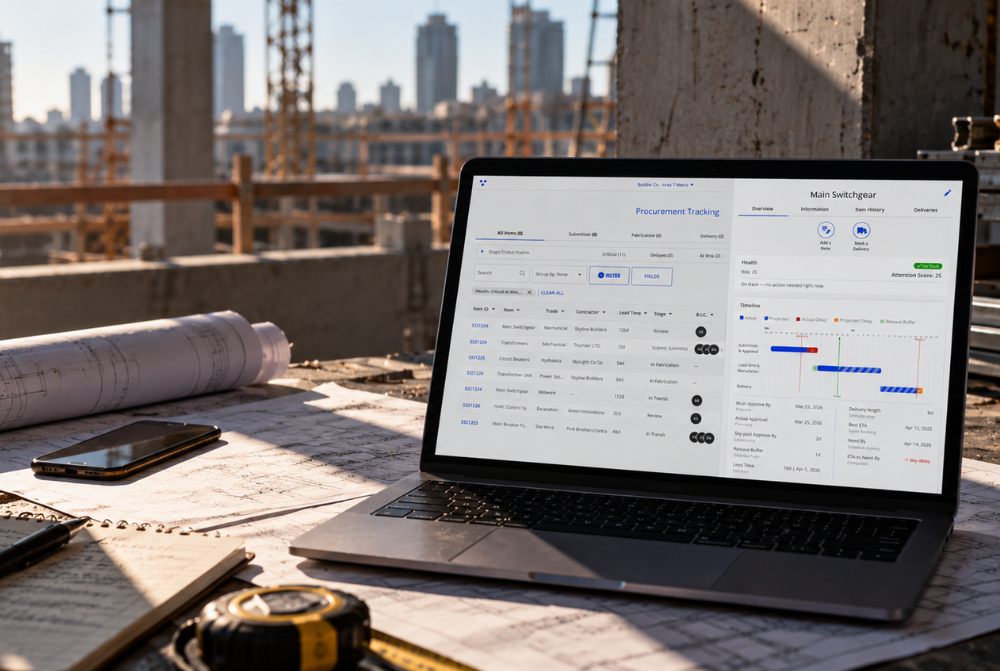
- Provide supply chain visibility

- Customise the booking process for any site assets, like cranes, hoists, loading areas, forklifts etc

- Coordinate with all parties in real-time with instant notifications

- Drag and drop bookings or bump the schedule with ease

- Record actual arrival and departure times

- Maintain proof of delivery inclusive of docket attachments

Reach out to Veyor today to speak to one of our team members about a free trial and how we can help you make work happen! 

What Are Some Of The Challenges Of Crane Management ?

It being a complex process that requires careful planning, organization, and coordination, there are several challenges that Site Managers or Superintendents face when managing their cranes, such as:

1. Weather Conditions

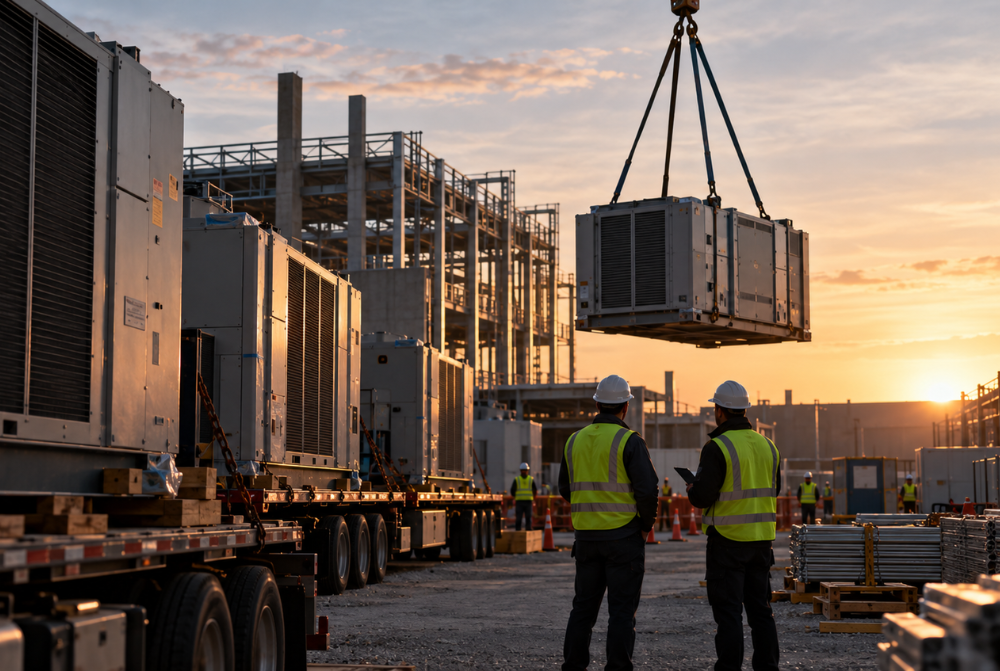
Changing weather can significantly impact crane operations. High winds, rain, and snow can make it unsafe for cranes to operate, and extreme temperatures can affect the crane's performance. Site Managers or Superintendents need to keep an eye out for any difficult weather conditions and plan ahead for alternatives such as shifting materials using internal lifts or having set areas to store the additional materials when cranes can’t operate. For example, some site teams set up warehousing areas on-site to store surplus materials that helps teams keep busy when there is a slow down in material delivery flow.

2. Site Constraints

Many construction sites have limited space, making it challenging to maneuver cranes around. Careful planning of the crane’s movements needs to be coordinated to avoid any obstacles that could be in its path. Superintendents or Site Managers also need to consider the crane's height and weight limitations to avoid damaging the site's infrastructure. Additionally, the location of the crane, access to unloading zones on roads, and staging areas need to be taken into consideration to ensure that the crane can operate safely and efficiently.

3. Availability of Cranes

Depending on the size and complexity of the project, multiple cranes may be required. Site Managers or Superintendents need to ensure that there are enough cranes available to meet the project's needs and that the cranes are being used effectively to avoid downtime. When this isn’t planned properly at the start of the job, supplementary mobile cranes are often brought in, which come at a high cost.

4. Scheduling Conflicts

Construction projects involve many different subcontractors, each with their own schedules and timelines. Scheduling conflicts can easily arise when multiple teams need to use the crane at the same time, leading to delays and inefficiencies. Good collaboration between all parties involved is essential to ensure that the assets are being used efficiently.

5. Human Error

Crane operators and other on-site personnel need to be trained to operate the crane safely and efficiently. Poor communication, lack of experience, and scheduling clashes can lead to accidents on-site. In order to minimize the risk, Site Managers or Superintendents need to provide proper training and supervision to ensure that everyone on the site is collaborating and communicating. When new high risk activities are undertaken, it is also crucial that site teams perform an appropriate lift study that is audited by all key stakeholders prior to work commencing.


How to Optimize Your Crane Management?

To optimize your crane management, digital comprehensive solutions such as Veyor’s Construction Logistics Management Software are the way to go. Veyor offers a range of features that revolutionizes crane management with just a couple of clicks. Some of the features of Veyor include:

  • Easy crane booking system
  • Collaborative scheduling
  • Real-time notifications about changes and cancellations
  • Tracking of crane usage for actuals and planned data
  • Comprehensive reporting and analytics
  • Visual logistics board


Effective crane management is an essential aspect of construction logistics management. By optimizing crane usage, minimizing downtime, and ensuring safety, construction companies can save money, improve efficiency, and prevent accidents. With a comprehensive solution like Veyor, Site Managers or Superintendents can optimize their crane management and focus on their projects' success.

Get the latest insights into your inbox

Thank you! Your submission has been received!
Oops! Something went wrong while submitting the form.