Why you need to stop scheduling logistics through email
.avif)
.avif)
Construction projects can be chaotic - there's no denying it. With so many moving parts, coordinating everything can feel like herding cats or managing a day-care centre!
One of the common culprits behind this chaos is the reliance on email as the main platform for scheduling. Yes, email has been a game-changer in the world of communication, but is it really the best tool for project management and communication in the construction industry?
Continuing to rely on email is holding a lot of construction projects back, pushing out timelines and budgets. However, we're seeing more construction companies and managers embrace smarter and more collaborative digital tools designed to optimise project communication management - with impressive results.
How current scheduling practices are falling short
Imagine this scenario: You're managing a construction project, and you receive dozens of emails every day. Some are from subcontractors, others from suppliers, and more from your own team members.
These emails contain crucial information about schedules, deliveries, and work areas. The problem? It's all scattered across different email threads, making it challenging to keep track of who said what, when, and where.
This fragmented project team communication can lead to misunderstandings, delays, and even costly mistakes. When vital project details are buried in your cluttered inbox, you're setting yourself up for failures of communication. And, more than that, email overload can end up impacting project timelines.
The average professional spends a significant chunk of their work day dealing with emails. Research shows that it takes an average of 16minutes to refocus after handling an email. What's worse, around 30% of the emails we receive are neither urgent nor important. That's valuable time and mental energy wasted.
Now, imagine the impact of this email overload on your construction project. Every minute spent sifting through emails is a minute away from focusing on the tasks that matter. Project timelines can easily slip when you're drowning in trying to reach inbox zero.
What's required for efficient construction site coordination?
The biggest problem with email is its siloed nature. Important information is split up and lost in long threads of communication -and the only people who can access this information are those included in the email. It provides poor visibility, and it's almost impossible to find (and share) the details you need at any given moment.
So, if email is what bad looks like for scheduling and project team communication, then what does good look like?
Good scheduling focuses on the most important parts of your project, making them easy, collaborative, and clear for all involved. central platform for information that allows you to view, schedule, and share information automatically.
At the very least, it needs to help you schedule and communicate:
Deliveries
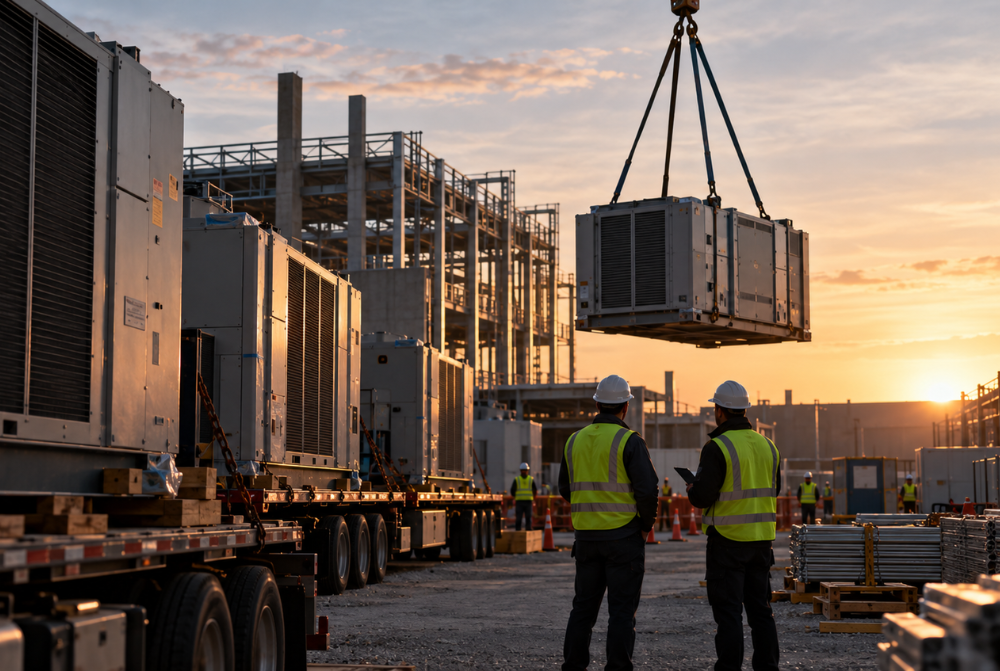
Having multiple deliveries arrive at once - or deliveries not arriving when they're supposed to - can cause congestion and delays. Scheduling deliveries and having real-time updates of location and progress can ensure you know exactly where everything is at any given moment, reducing wait times and keeping your project on track.
Safety & Compliance
Safety is paramount in construction. Having shared access to safety checklists, worker inductions, driver routes and safety procedures helps mitigate risks and promote a safe work culture. Automating compliance procedures like Chain of Responsibility and Fleet Operator Recognition System checklists further helps to promote safety while also improving site efficiency.
Permits
Navigating regulatory standards can be a headache. Permits need to be easily managed and stored to ensure that your project adheres to all necessary regulations.
Unexpected interruptions
Construction projects are dynamic, and delays can happen. You need to be able to manage sudden changes efficiently and adjust schedules and work areas on the fly, ensuring that your project timeline remains intact.
Move beyond email scheduling with Veyor
It's time to break free from the limitations of email scheduling. Email may be useful for certain types of communication, such as discussing contract terms. However, it's far from the ideal tool for coordinating complex construction projects. It can lead to scattered communication, email overload and potential misunderstandings.
No industry has escaped the acceleration of digital transformation. And while construction has been a little slower to adopt than other industries, there are opportunities to be able to create more efficient and more cost-saving processes by reaching for the right digital tools.
These tools are designed to make your life easier and safer, providing real-time notifications and updates to keep everyone informed and coordinated. No more sifting through a cluttered inbox to find the latest updates - you can ensure that every team member gets the information they need when they need it, and that no one suffers from a lack of communication in project management.
One of the leading solutions that was created specifically for construction, by construction professionals, is Veyor.
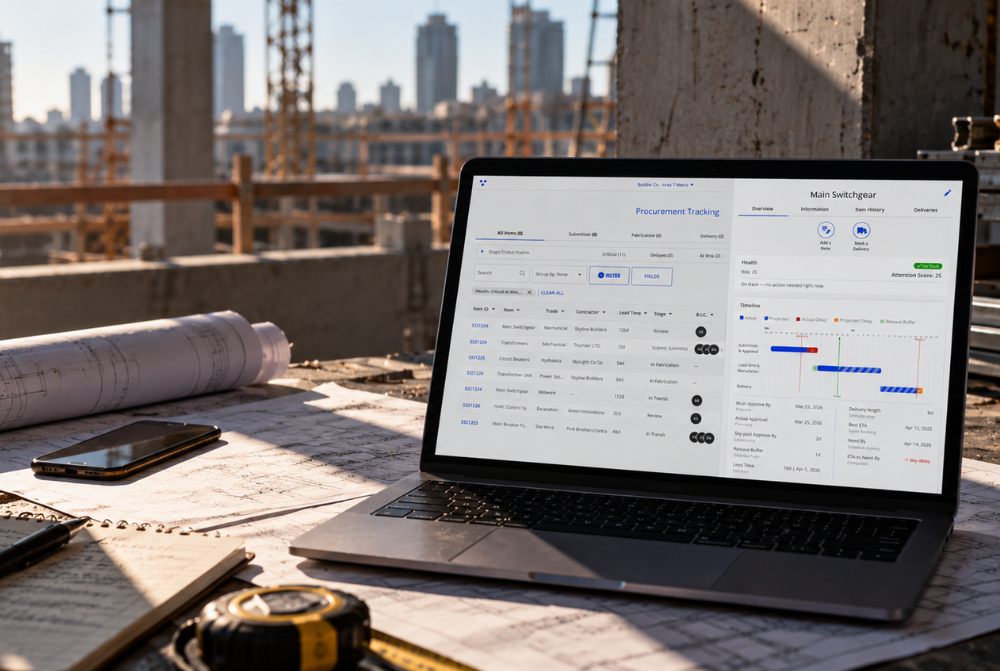
Veyor offers a modern, efficient, and user-friendly solution with features like real-time coordination, safety management, and simplified compliance. By connecting all the stakeholders in your construction project in real-time, Veyor ensures your site teams, subcontractors, and suppliers can seamlessly coordinate deliveries and materials handling.
No more last-minute cancellations, misunderstandings or costly disruptions. Book a demo of Veyor today, and learn how you can make your construction projects smoother, safer, and more successful.

Get the latest insights into your inbox