7 Ways Your Loading Dock Management Is Failing You

.jpg)

As an overlooked part of a building, loading docks are dangerous “no man’s lands” that are pretty much “free for all”. Rules are more of a suggestion and loading bays are optional. Except they are not or, more accurately, should not be. Most building managers and owners take their building’s security seriously, but forget all about it when it comes to the loading docks. Regulations are thrown out the window, and security teams are left to fend for themselves while managing all sorts of complicated tasks. But how do you fix the chaos?
It is hard to identify the problems that are causing you more stress than you need and that are letting you down without you knowing but don’t worry, we did our homework so you don’t have to. From security issues to congestion, these are the 7 ways your loading docks are failing you:
1 Still Using Paper-Based Systems for Dock Scheduling
It seems unlikely that buildings would still be using paper-based systems to manage their logistics but even in 2022, most loading docks are still keeping a record of visitors with pen and paper. Most of the time, a security guard will take care of access control by writing down the name of the driver and registration number in case there are any issues but more often than not, those records end up lost or in a filer somewhere gathering dust.
As archives grow and become clutter, important information gets lost and overseen. Using a Dock Management Software like Veyor will help keep your loading docks organised with digital records of your visitors. With Veyor, access control has never been this easy. Allow visitors to book a time for their deliveries and they will receive a QR code that your security guards can scan easily to verify and document their visit.
2 There's Poor Planning That Causes Congestion
One of the biggest issues is the lack of planning and control dockmasters have over their loading docks. On top of all their responsibilities, dockmasters face the challenge of keeping traffic inside the docks flowing and uninterrupted. But it is impossible to do so without the collaboration of all parties. Most drivers will arrive whenever they are free and park anywhere, causing the next visitor to park out of place too, and so on. This chain of erroneous parking and unruly visitors ends up creating congestion inside and outside the loading docks.
One way to solve this is with a Dock Appointment Scheduling app. Share dock availability with drivers so they can book a time to arrive and length of stay, and reduce congestion inside and outside your loading docks.
3 Dangerous Assets Are Left Unattended
Loading docks aren’t secure. Access control to loading docks is rarely a priority for building managers which means anyone can walk in. Some have great security systems for visitors entering the building through the main door but lack proper security systems for their loading dock entries. And if you can’t control who accesses your loading docks, you can’t keep track of who is entering your building, leaving everyone open to safety threats.
Most docks let drivers in and don’t follow up with them, meaning that they aren’t sure who is in the building at any given time, leaving the spaces open to threats. Dock masters and security guards have no way to corroborate that the drivers coming in are who they say they are.
There might also be people who access your docks out of curiosity or just because they can, which is already a big danger on its own as hazardous equipment and assets are left without supervision at the reach of anyone. Some dangerous assets such as forklifts are only guarded by a sign and a chain that does very little against unauthorised personnel attempting to use it.
4 Lawsuits Are Just Waiting To Happen
Inductions are a very important requirement for drivers entering the loading dock. It is the best way to make sure visitors know the safety guidelines and are prepared to perform their jobs in a safe manner. But without enough staff to constantly enforce safety rules and other regulations, buildings leave themselves open to lawsuits and liability issues.
Be it the hazard of dangerous assets being available to anyone or the constant unloading of heavy deliveries, your loading docks are vulnerable to workplace accidents and legal action. Protect yourself from careless mistakes and accidents by automatically sharing induction forms and recording signed agreements from drivers before they enter the site.
5 You're Allowing Traffic Jams
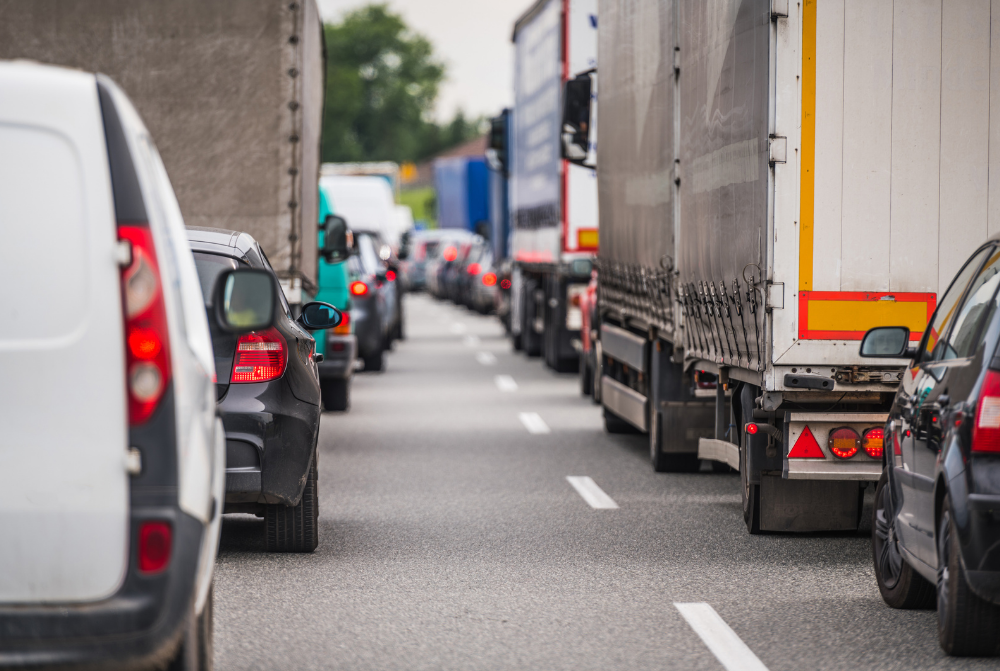
Planning a day in the docks involves complex logistics. Hundreds of deliveries coming in and out at all times, trucks not parking where they should and random people walking in is just a few of the things to consider without mentioning that there are peak hours when multiple trucks will show up at the same time and fight to park the closest to the exit to prevent getting trapped inside, ironically, causing the blockages they are trying to avoid.
A common problem is when trucks queue to enter the docks, only to find that it is full. They are then forced to back out, pushing the trucks behind to reverse onto the street to allow other trucks to come out first before they can make their deliveries. This process happens multiple times in one single day, not only wasting the time of everyone involved, but also frustrating drivers passing by and the surrounding community.
A Dock Scheduling Software will help you organise and manage delivery bookings to make sure traffic keeps flowing in and out without any jams or congestion.
6 There's Not Enough Staff
Loading docks have been identified as a place that needs more workers rather than less. As dockmasters try to juggle multiple responsibilities at once, less staff increases the burden on their shoulders. During the pandemic, building managers and dockmasters discovered that staff shortages left them open to errors and threats that they could no longer manage.
Work can get easily overwhelming as the burdening, ever-growing responsibilities pile up. This makes staff retention harder too. That is why dockmasters and building managers are being pushed to rely on technology to manage the shortages. After all, a digital eye works better than a couple human ones.
A Digital Loading Dock Management Plan can help you lighten the burden, manage more aspects, more efficiently, and better your security as you keep track of everyone coming in and out of your docks.
7 You Have Poor Or No Contractor Management
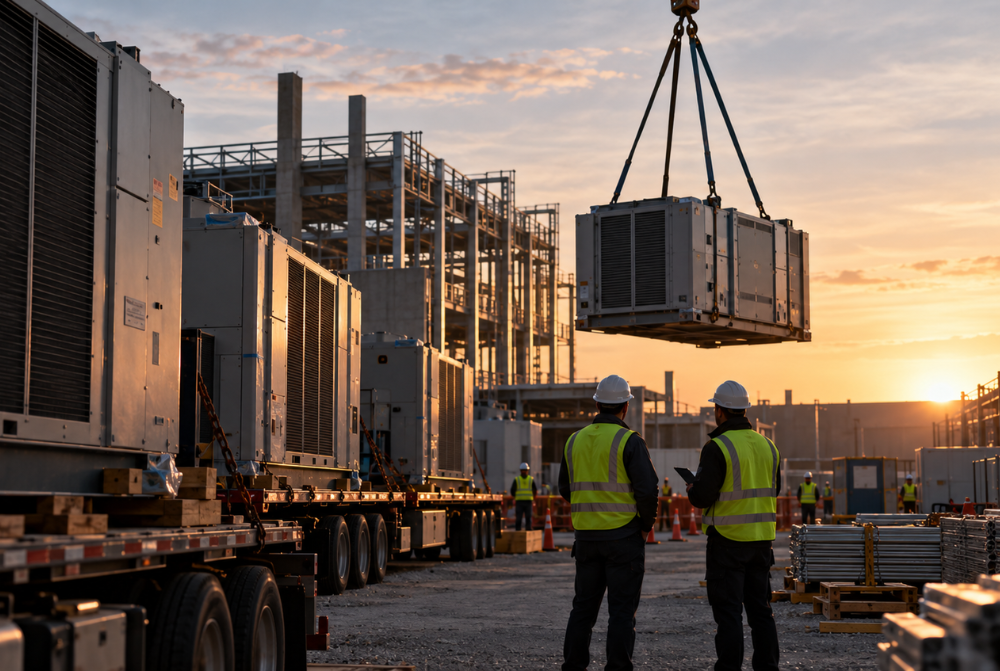
Contractor management is an underestimated challenge that can be easily overseen by building managers but that is a real nightmare for dockmasters. When a new tenant requests a fit out or current tenants need to do construction work, a legion of contractors will flood the loading docks, crowding the space for long periods of time. If systems aren’t in place to make sure they are considered when other deliveries arrive, it causes congestion and mayhem.
On top of everything else, dockmasters and loading dock staff need to plan around contractors to ensure deliveries can still be made. They also need to make sure they can keep track of all contractors in case of an emergency, an ordeal that gets harder when paper-based systems are still the norm.
In Conclusion
The future is here and it is beautiful. Stressing about your loading docks is a thing of the past with Veyor. Control access with QR codes, manage bookings with a digital system and reduce congestion, keep your docks safe and lower your costs. Manage your docks seamlessly in only a few clicks. Save money and time. All in one app that you can use from anywhere, at any time.
Get the latest insights into your inbox