Mixed-Use Logistics: How the "Work-Live-Play" Precinct Changes Who's Knocking at the Dock
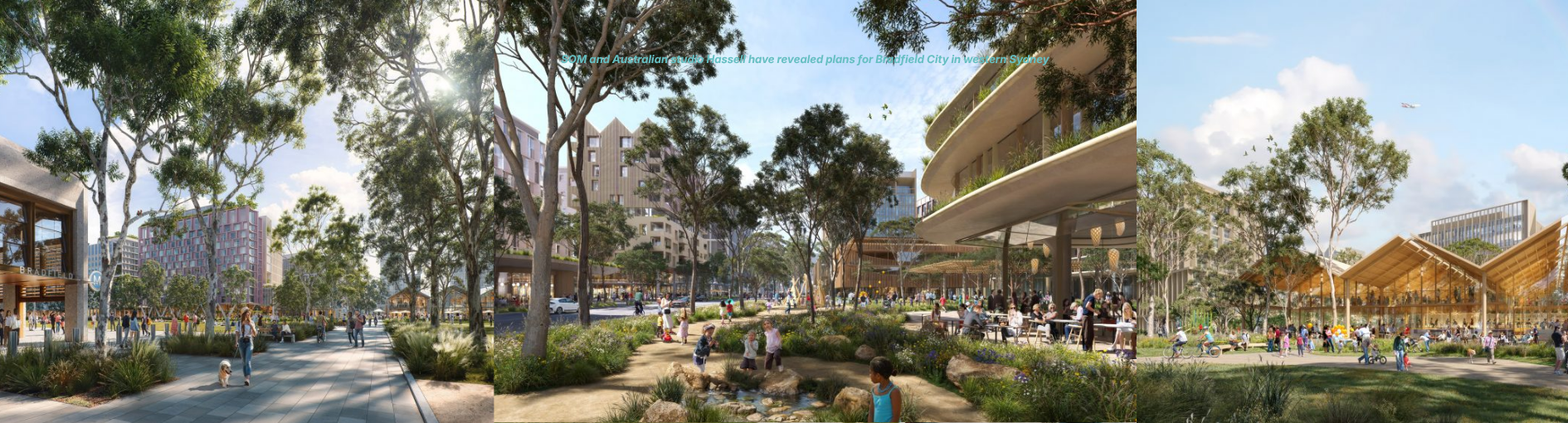
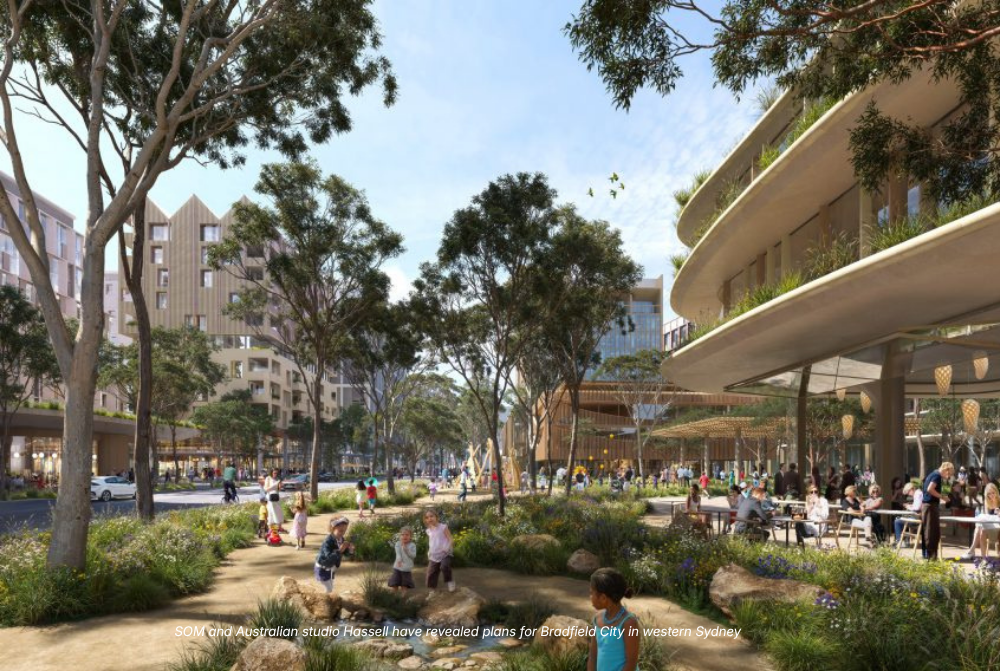
Mixed-use logistics is the work of coordinating deliveries, access, and on-site activity across a development that does several jobs at once — homes, offices, retail, hospitality, sometimes a campus or transport hub, all on one site. It's becoming one of the defining operational challenges in commercial real estate, because the "work-live-play-learn" precinct is now the shape of major development everywhere Veyor operates. When residents, office workers, shoppers, and contractors all share the same docks and service roads, coordination stops being a back-office detail and becomes the thing that keeps the place running.
Here's why these precincts are growing, what they change about day-to-day operations, and how teams keep a multi-use site moving.
Why is everything turning into a mixed-use precinct?
Because the single-use development is going out of fashion, fast, and the evidence is global:
- Australia: Bradfield City, the country's first new city in 100+ years, is being built beside Western Sydney's new international airport with thousands of homes, a university campus, offices, retail, and a hotel on one 114-hectare site. (Dezeen)
- Canada: Toronto's YZD redevelopment on the former Downsview Airport lands is a $30B, 370-acre precinct planned for 55,000+ residents. The space will have 28M sq ft of residential, 7M sq ft of commercial and cultural space, and roughly 74 acres of parks, with infrastructure work starting in 2026. (Daily Commercial News)
- Singapore: Changi East is being planned as a "work-live-play-learn" urban district around Terminal 5, and the 2026 commercial pipeline is dominated by large mixed-use projects rather than single-use buildings. (URA)
- New Zealand: Auckland Airport is designing a 10,500–12,500 m² premium mixed-use retail and office precinct alongside its new terminal. (NZ Herald)
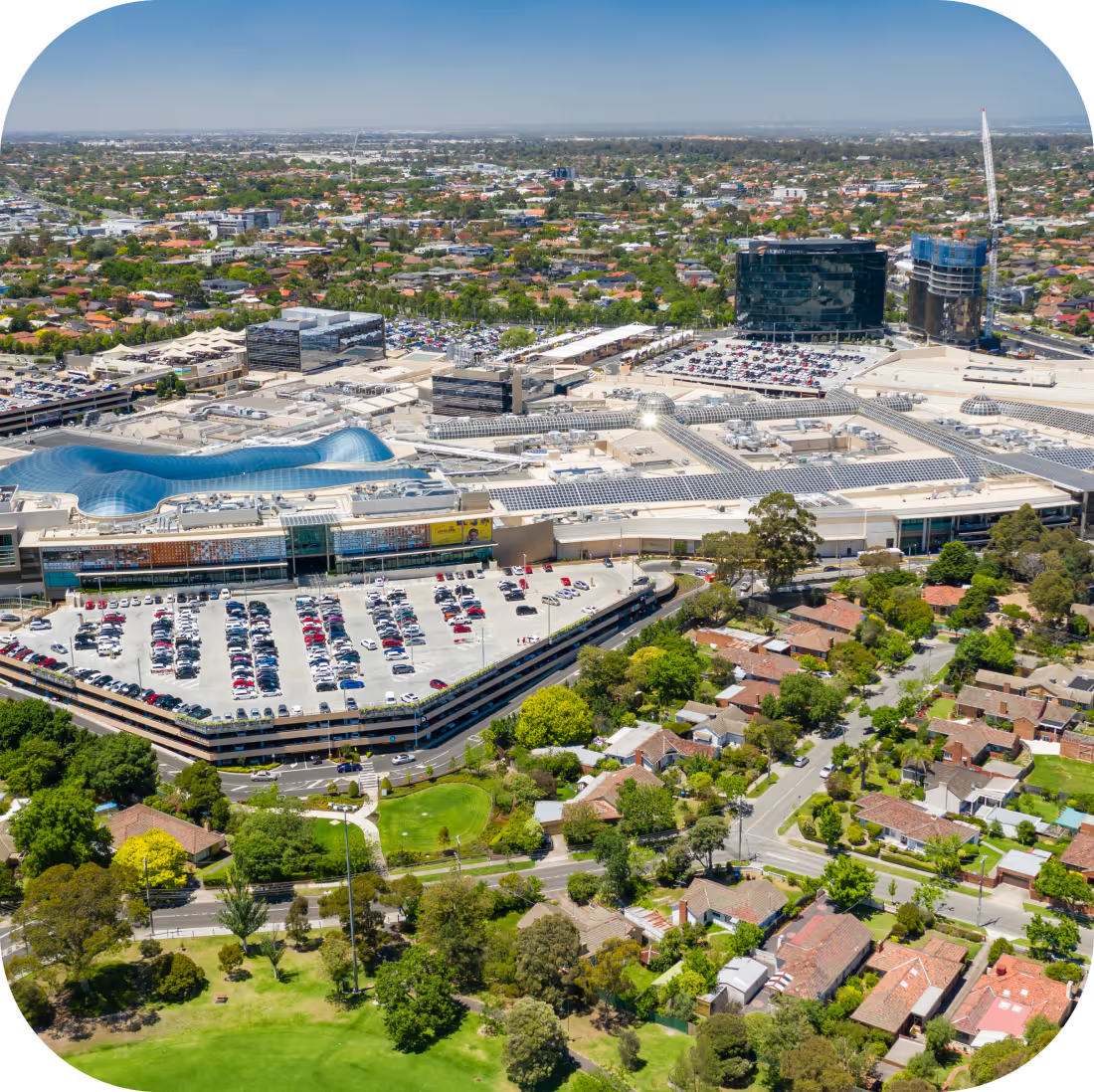
- United States: Nearly half of redeveloped malls now combine three or more uses, and more than half add residential, turning shopping centres into 24/7 town centres. (ICSC)
Different markets, same move: put more uses on one site, keep it active around the clock, and make it somewhere people stay rather than pass through.
What does mixing uses do to day-to-day operations?
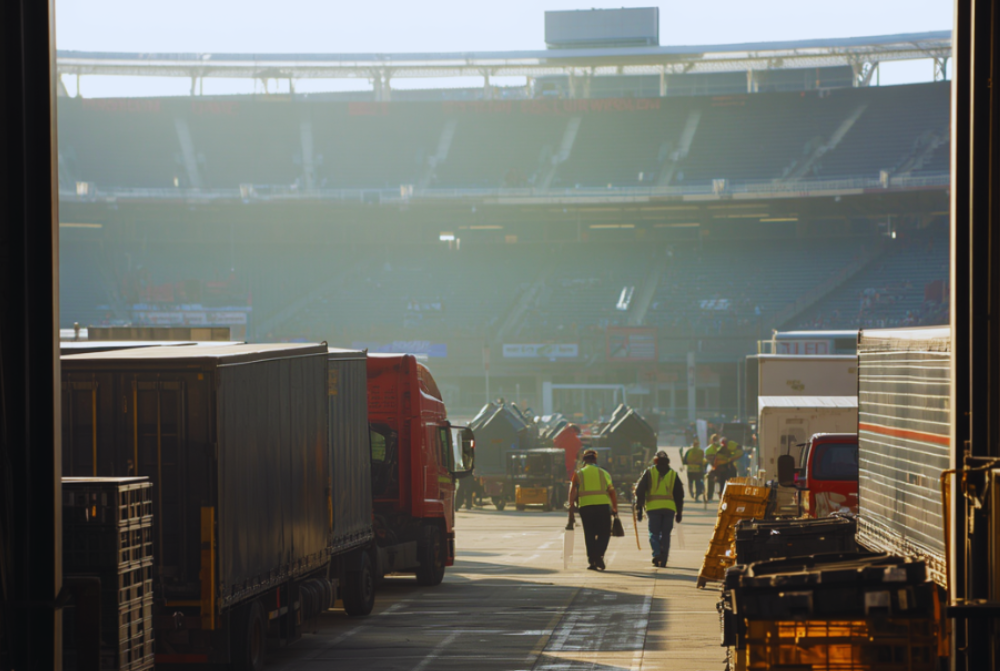
It multiplies the kinds of traffic arriving at the same docks and gates, often with completely different rhythms. A single-use office building has a predictable delivery pattern. A precinct doesn't. On one site, in one day, you might have grocery deliveries for residents, stock for retailers, couriers for office tenants, contractors fitting out a new space, and waste collection for all of them — each with its own timing, vehicle, and access needs.
That creates pressure no single tenant feels but the operator owns:
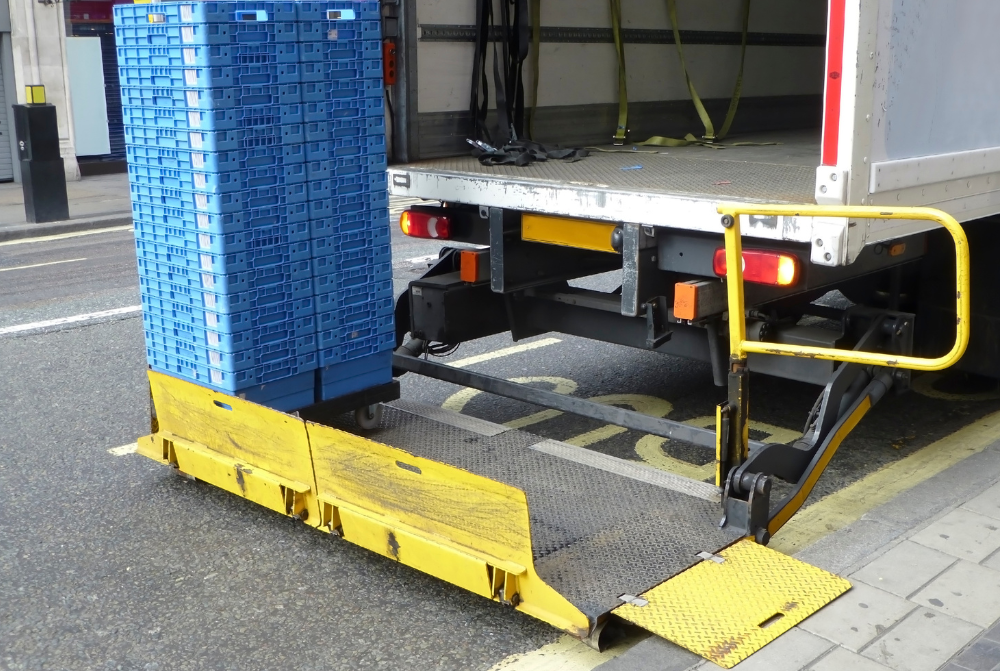
- Shared docks, competing demand. Residential, retail, and office deliveries land on the same loading bays, sometimes at the same time.
- Many parties, no shared view. Each tenant manages its own suppliers; the operator rarely sees the full picture of who's arriving when.
- Access that has to flex. A service route quiet at 10am can be gridlocked at noon when retail restock meets the lunch break rush and resident deliveries.
- Accountability spread thin. When something goes wrong at the dock, it's not always clear whose delivery caused it.
How do operators keep a multi-use site moving?
The answer is the same one that works on any busy site, scaled to many tenants: put every arrival on one shared, live schedule. When each tenant's suppliers book their own slots, the operator finally sees the whole site's traffic in one place. Deliveries can spread across the day instead of discovering the clash when two trucks meet at the dock.
A few things matter more in a precinct than in a single-use building:
- One schedule across all tenants. Residential, retail, and office deliveries planned together, not in separate silos.
- Self-service booking for every supplier. The operator can't field calls for dozens of tenants. Instead, suppliers can book their own delivery times.
- Access tied to the booking. Knowing who's arriving, for which tenant, and where they're headed keeps gates and service roads clear.
- A shared record. One source of truth for what arrived and when. This useful for tenants, operations, and increasingly for sustainability reporting.
Done well, the precinct feels effortless to the people living, working, and shopping in it — which is the entire point of building one.
What should operators plan for before opening a precinct?
Plan the logistics layer as deliberately as the architecture. The precincts that run smoothly treat delivery and access coordination as core infrastructure, not an afterthought once tenants move in. Three things to settle early:
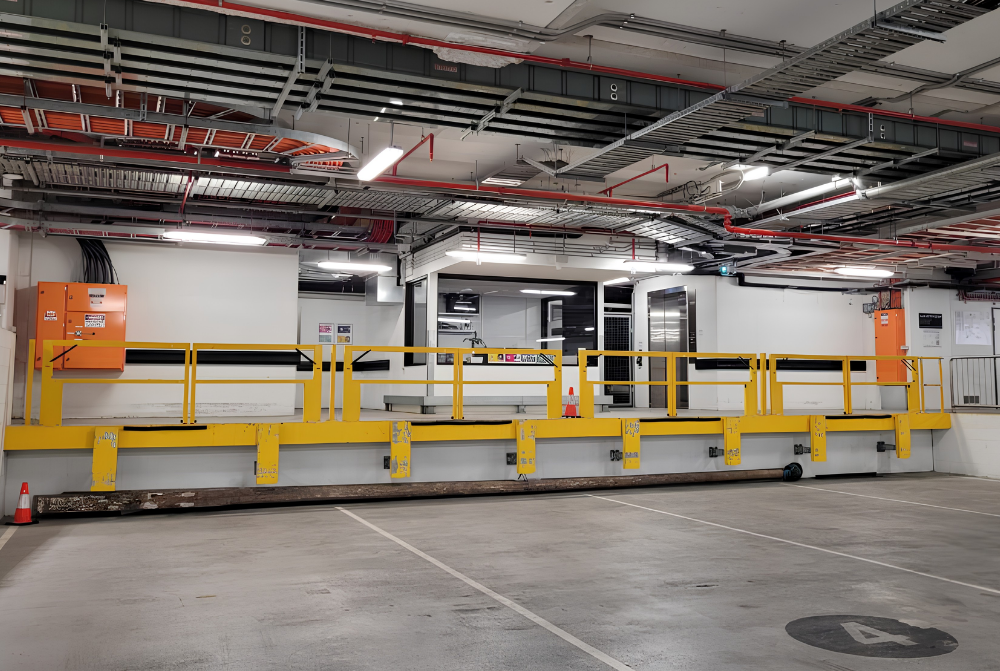
- Design docks for mixed demand. Account for the full range of vehicles and rhythms, not an average day.
- Set the booking expectation from day one. It's far easier to onboard tenants to slot booking at lease-up than to retrofit the habit later.
- Give tenants visibility, not just rules. When tenants can see and manage their own arrivals, coordination becomes shared rather than policed.
FAQ
What is mixed-use logistics?
Mixed-use logistics is the coordination of deliveries, materials, and site access across a development that combines several uses. These could be residential, retail, office, and hospitality, all on one site. It focuses on how different types of traffic share the same docks, gates, and service routes.
Why is delivery coordination harder in a mixed-use development?
Because each use brings its own delivery pattern, and they all share the same infrastructure. Grocery deliveries, retail restock, office couriers, contractor fit-outs, and waste collection can converge on the same docks with different timings and vehicles — so without a shared schedule, clashes and congestion build up quickly.
How can a precinct operator manage deliveries across many tenants?
The most effective approach is one shared, live booking schedule that every tenant's suppliers use. Self-service slot booking lets the operator see all arrivals in one place and spread traffic across the day, rather than coordinating each tenant separately by phone or email.
What's different about loading docks in a mixed-use building?
They serve competing demands. A single-use building has a predictable delivery rhythm. However, on a mixed-use site layers residential, retail, and office deliveries on the same bays, often at overlapping times. Docks need to be planned for that range, and arrivals need to be scheduled to avoid bottlenecks.



Get the latest insights into your inbox