Chain of Responsibility for Data Center Construction: What Site Leaders Need to Know
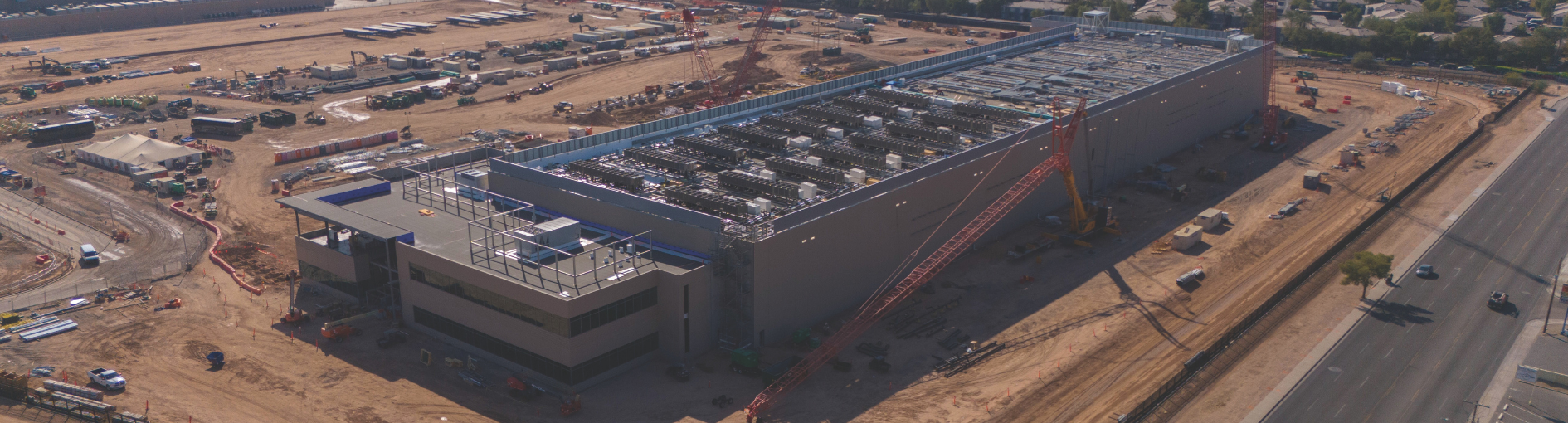
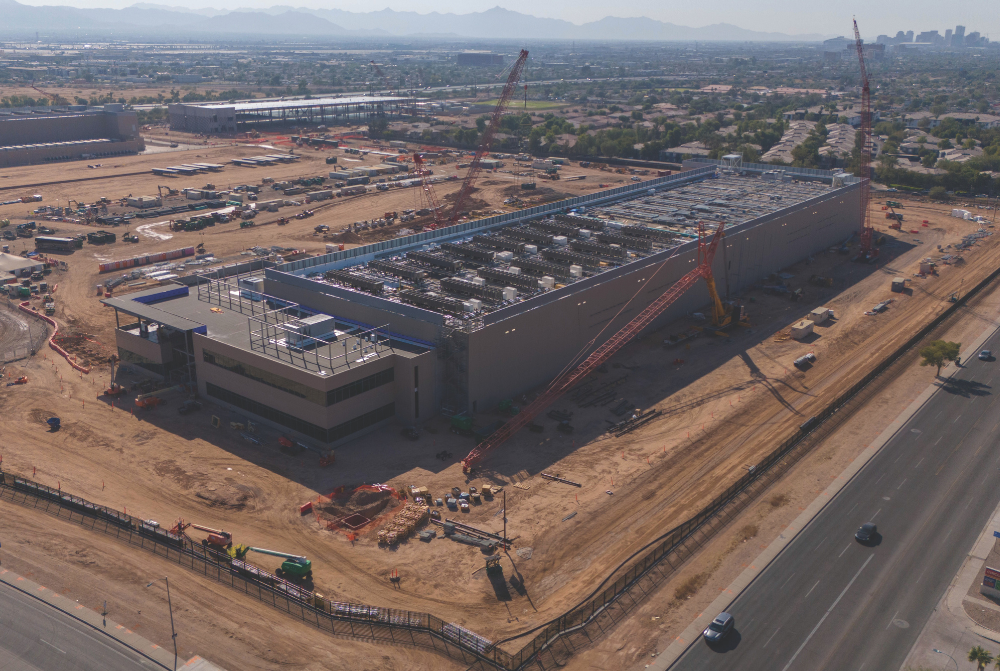
Chain of Responsibility (CoR) is a legal framework that places safety obligations on everyone involved in the heavy vehicle supply chain, not just the driver behind the wheel. For data center construction projects, where heavy vehicle movements are constant and the supply chain runs deep, CoR isn't a compliance checkbox. It's a genuine legal exposure that site owners, head contractors, and subcontractors all share.
This post explains what CoR means in practice on a data center build, where the risks sit, and how construction logistics software helps teams document compliance without adding to an already heavy administrative load.
What Is Chain of Responsibility — and Who Does It Apply to on a Data Center Build?
Chain of Responsibility is a legal framework established under the Heavy Vehicle National Law (HVNL) in Australia and equivalent legislation in other jurisdictions.
It's worth being specific about geography, because the term "Chain of Responsibility" is an Australian and New Zealand legal concept. Other markets where Veyor operates have analogous frameworks — the obligations are similar in intent, but they sit under different legislation and use different terminology. In the UK, heavy vehicle and site safety obligations fall under the Health and Safety at Work Act 1974 and the Corporate Manslaughter and Corporate Homicide Act 2007. In the US, the Federal Motor Carrier Safety Administration (FMCSA) governs commercial vehicle compliance, and shipper/carrier liability frameworks are increasingly active. In Singapore, the Workplace Safety and Health Act covers construction site safety obligations. In Canada, provincial transport and workplace safety legislation applies, varying by province. The compliance detail in this post is grounded in Australian law — if you're operating in another market, the specific framework will differ, but the core principle is consistent: the parties who control how heavy vehicles operate carry legal responsibility for what happens.
The HVNL recognises that heavy vehicle incidents are rarely caused by the driver alone. Scheduling pressure, overloading, inadequate site access, and unrealistic delivery windows all sit upstream of the driver — and CoR assigns legal responsibility to the parties that control those factors.
On a data center construction site, that means:
- The site owner: responsible for ensuring the site can receive heavy vehicles safely and that access arrangements don't create pressure to rush or cut corners
- The head contractor: responsible for the overall delivery and vehicle management framework on site
- Subcontractors: responsible for their own vehicle movements and the conduct of their drivers
- Schedulers and logistics coordinators: responsible for ensuring delivery windows are realistic and don't incentivize unsafe behavior
If a heavy vehicle incident occurs on site, or if a regulatory body investigates the site's vehicle management practices, everyone in that chain can face scrutiny. The question will be: what systems and processes did you have in place, and can you prove it?
What Are the CoR Risks Specific to Large Construction Projects?
Large construction projects like data center builds create CoR exposure in a few specific ways:
Schedule pressure. Data center projects run to aggressive timelines. Time-to-power commitments from clients, and the financial penalties attached to delays, create real pressure to keep deliveries moving. When that pressure flows down to drivers — through tight windows, unrealistic ETAs, or consequences for being late — it creates the conditions for unsafe driving behavior. Under CoR, the parties setting those conditions share responsibility for what happens.
High vehicle density. A large data center site might have dozens of heavy vehicle movements daily, across multiple access points. Managing that volume requires a structured booking system and clear site rules. Sites that manage vehicle access informally are difficult to defend under a CoR investigation.
Deep supply chains. Data center builds involve multiple tiers of subcontractors, many of whom have their own transport arrangements. Head contractors can't rely on subcontractors to self-manage CoR compliance. They need visibility and documentation across the full chain.
Driver induction gaps. If a driver enters your site without completing a current induction, the site can't demonstrate it exercised due diligence. On a busy site with high driver turnover, managing induction records manually creates gaps.
How Do You Document CoR Compliance on a Data Center Site?
The foundation of CoR compliance documentation is a complete, accurate record of every heavy vehicle movement on site. That means:
- Every delivery booked in advance, with the driver, vehicle, and subcontractor identified
- Every driver completing a current induction before entry
- Vehicle movements tracked and logged from arrival to departure
- Delivery completion confirmed with a timestamped proof of delivery record
- Any incidents, access refusals, or compliance flags recorded in the system
When this documentation exists and is centralized, a CoR investigation or audit becomes manageable. When it's spread across paper forms, email threads, and spreadsheets it's very hard to reconstruct. Worse if it’s based on someone’s memory.
Digital construction logistics platforms like Veyor maintain this record automatically as a byproduct of normal site operations. The site team isn't doing extra work to comply. The compliance documentation is generated by the same system they use to manage deliveries and access.
What Role Does Logistics Software Play in Chain of Responsibility?
Construction logistics software supports CoR compliance in three ways:
- Prevention. By controlling who enters the site, ensuring inductions are current, and managing delivery scheduling to avoid pressure on drivers, the platform removes the conditions that typically lead to incidents.
- Documentation. Every vehicle movement, driver induction, delivery booking, and completion record is stored digitally. Searchable, timestamped, and attributable. This is the audit trail that demonstrates due diligence.
- Visibility. Real-time GPS tracking and live site dashboards mean the site team is never operating blind. If something goes wrong, the record is there. If something looks like it's going wrong, it's visible before it escalates.
Veyor is built to support CoR obligations for site owners, head contractors, and subcontractors with digital driver inductions, vehicle access control, GPS tracking, and automated delivery records all in one platform.
FAQ: Chain of Responsibility in Construction
What is Chain of Responsibility (CoR) in construction?
Chain of Responsibility is a legal framework under Australia's Heavy Vehicle National Law (HVNL) that assigns safety obligations to every party in the heavy vehicle supply chain, not just drivers. On a construction site, this includes the site owner, head contractor, subcontractors, and schedulers. Each party is responsible for ensuring their actions or decisions don't contribute to unsafe heavy vehicle operations. If you're operating in another market, the equivalent obligations sit under different legislation.
Who is responsible under CoR on a construction site?
Everyone who influences how heavy vehicles operate on or around the site carries CoR obligations. That includes site owners (access arrangements), head contractors (overall site vehicle management), subcontractors (their own drivers and vehicles), and logistics coordinators (scheduling and delivery windows). If an investigation finds that schedule pressure, inadequate access, or poor induction management contributed to an incident, all of those parties are potentially exposed.
What are the penalties for CoR breaches in construction?
Under the HVNL, penalties for CoR breaches can include substantial fines for individuals and corporations, and in cases of gross negligence or recklessness, imprisonment. Penalties are scaled to the severity of the breach and the degree of negligence involved. Regulators have increasingly focused on the "upper end" of the chain — site owners and head contractors — rather than just drivers.
Does CoR apply outside Australia?
Chain of Responsibility as a legal term is specific to Australia and New Zealand. However, most markets where large construction projects occur have analogous frameworks that assign safety obligations up the supply chain. In the UK, the Health and Safety at Work Act and Corporate Manslaughter legislation serve a similar function. In the US, FMCSA regulations govern commercial vehicle compliance and shipper liability. In Singapore and Malaysia, Workplace Safety and Health legislation covers construction site obligations. In Canada, provincial transport and workplace safety legislation applies, varying by province. If you're operating outside Australia, the terminology and specific obligations will differ — consult local legal advice for your jurisdiction.
How do you prove CoR compliance on a large build?
CoR compliance is demonstrated through documentation: records of driver inductions, vehicle access logs, delivery schedules, proof of delivery, and any corrective actions taken when issues were identified. The more complete and centralized that documentation is, the stronger the compliance position. Digital logistics platforms that automatically generate these records provide a defensible audit trail without relying on manual record-keeping.
Can construction software help with CoR obligations?
Yes. Purpose-built construction logistics software like Veyor supports CoR compliance by managing digital driver inductions, controlling vehicle access, tracking vehicle movements via GPS, and storing a complete record of every delivery and site access event. The platform documents the practices that demonstrate due diligence — automatically, as part of normal site operations.
See how Veyor supports Chain of Responsibility compliance on data center builds. [Book a demo →]



Get the latest insights into your inbox