Leveraging technology for efficient CO₂ reduction in construction
.png)
.avif)
The construction industry has evolved rapidly in recentyears, embracing technology to help improve sustainability and operate moreefficiently and productively. State governments have also introduced policiesto reduce the carbon footprint in construction through the Federal BuildingPerformance Standard (FBPS), Buy Clean Initiative, Lower Carbon ProcurementPilot, and many more.
These moves are aimed at moving towards Net Zero targets -something the construction industry is moving towards, but also faces uniquechallenges to reach due to the reliance on many subcontractors and suppliers.
To successfully leverage technology and meet sustainability and Net Zero targets, many construction companies are digitising their logistics and planning needs to collate mandatory sustainability data, as well as to increase efficiency and visibility.
CO₂ tracking is becoming a must-do for construction
The carbon footprint for modern buildings is enormous. Mosttall skyscrapers are made of cement and steel, producing tons of carbondioxide. These emissions can be significantly reduced by switching to greenermaterials and improving efficiency - but first, you need to know where thebiggest inefficiencies lie.
Governments are increasing regulatory pressure for tracking and reporting CO2 levels in construction, and inherent inefficiencies in booking and scheduling are also detrimental and increase construction industry CO2 emissions.
Scheduling is one of the most critical aspects of planningin construction, as it affects most essential parts of a project. It can bechallenging to get right as there are a lot of unpredictable elements whenscheduling for projects, such as weather unknowns, resource availability anddesign changes. Lost drivers and unscheduled bookings unnecessarily add to CO2emissions during a project.
By tracking CO2 emissions, construction companies canmeasure their carbon footprint, identify the highest emission sources, andimplement carbon reduction in construction strategies.
What are the benefits of CO₂ tracking?
Measuring your carbon footprint in construction is becoming increasingly important as a strategic tool. This is seen as especially beneficial in reducing costs and identifying opportunities for further reductions, supporting Scope 3 reporting and leveraging CO2 tracking for LEED rating.
Achieving net zero is challenging. There are three categories of emissions to consider:
- Scope 1 emissions: Greenhouse gas emissions directly made by a company.
- Scope 2 emissions: Emissions a business makes directly, e.g. electricity
- Scope 3 emissions: Emissions associated with a company indirectly, e.g. buying, using or disposing of products from suppliers.
Scope 3 emissions are the tricky one for businesses to track. However, it is critical to incorporate Scope 3 emissions in any net zero plan. Tracking emissions will help companies develop their carbon footprint and sustainability towards reductions in emissions across all areas of business.
Demonstrating a LEED rating for a building can also help construction companies show the sustainability of their project. One of the main goals of LEED is to reduce the contribution of buildings to climate change, and reducing emissions is a central tenant of this. There is a points-based system and four levels of certification to achieve a LEED rating:
- LEED Certified: 40-49 points
- Silver Certification: 50-59 points
- Gold Certification: 60-79 points
- Platinum Certification: 80+ points
Incorporating recycled materials is one way to reduce CO2emissions and score points for a LEED rating. Another method is to utilise materials that store CO2, e.g. carbon-sequestering materials, to enhance eco–friendly construction whilst reducing carbon from the atmosphere.
Tracking this process manually involves hundreds of hours of time collecting dockets and manually inputting information into spreadsheets, across dozens of suppliers. Leveraging a digital CO2 tracking solution allows this process to be automated, and reports to be automatically generated, saving time and cost, as well as providing more accurate reporting for faster accreditation.
Paving the way for a sustainable future
While expectations around sustainability are expanding significantly for the construction industry, so are the digital tools available to help you meet regulations and goals. through CO2 tracking and sustainable site management.
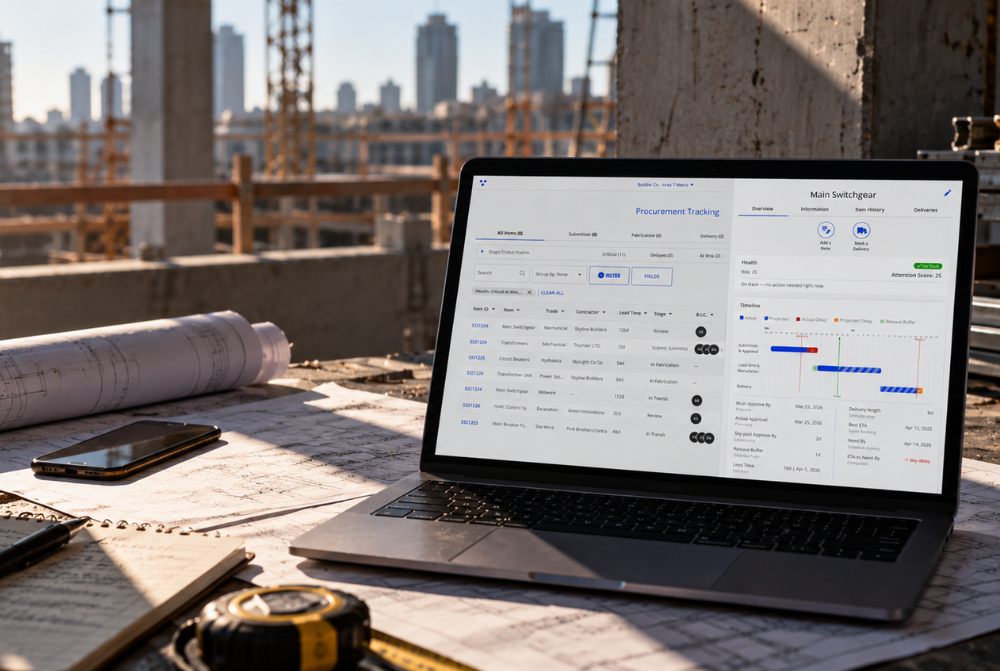
Veyor is a comprehensive solution delivered via an easy-to-use app that lets you gather all the data to track your emissions. It's collaborative scheduling system provides a digital whiteboard allowing contractors to organise and manage their deliveries through online bookings. The online booking system will enable you to track every subcontractor’s CO2emissions for each trip and the embodied emissions of delivered materials.
Veyor aids in improving sustainability ratings effortlessly whilst getting rid of cumbersome paperwork. You can manage your goals and targets before a project begins and mitigate the risk of getting fined. The visual data dashboard lets you see where emissions are spiking and why. You can export and download reports into PDFs for external assessment at the touch of a button.

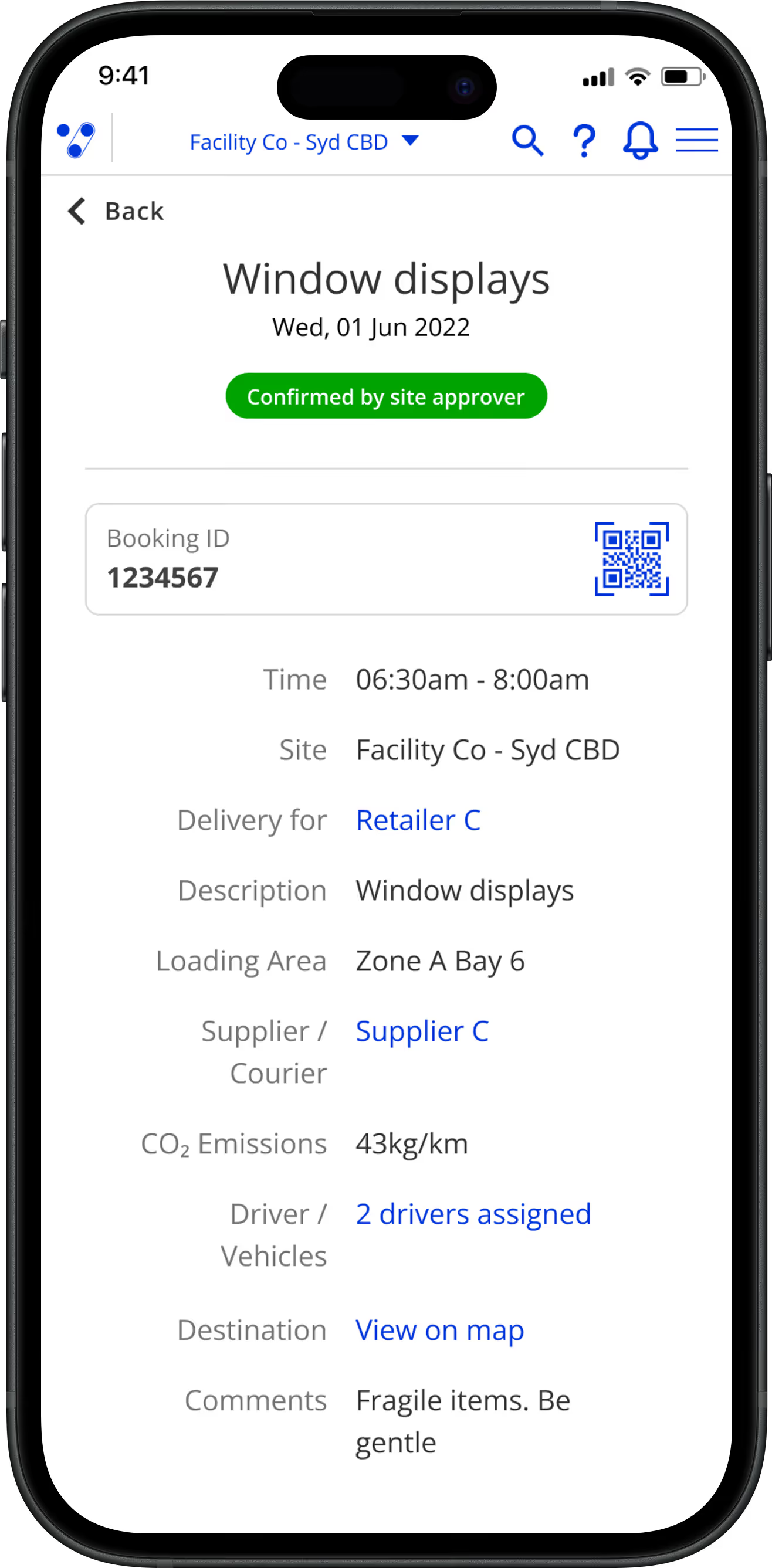
Leveraging CO2 tracking for a more sustainable construction industry is critical as companies look towards reducing their carbon footprint. Veyor provides everything you need to manage your worksite efficiently so that you can understand your emissions and see where to reduce them. Get in touch with our team for a free demo.
Get the latest insights into your inbox