How To Manage Your Loading Dock Effectively?

.jpg)
Although it is crucial for smooth operations and tenant satisfaction, coordinating the flow of deliveries and minimising congestion and delays in a loading dock is not an easy task. With the increasing demand for faster and more efficient deliveries in the facilities management industry, loading docks have become a vital part of the supply chain. Ineffective loading dock management can lead to wasted time, increased costs, and disruptions in the supply chain.
What Is A Loading Dock?
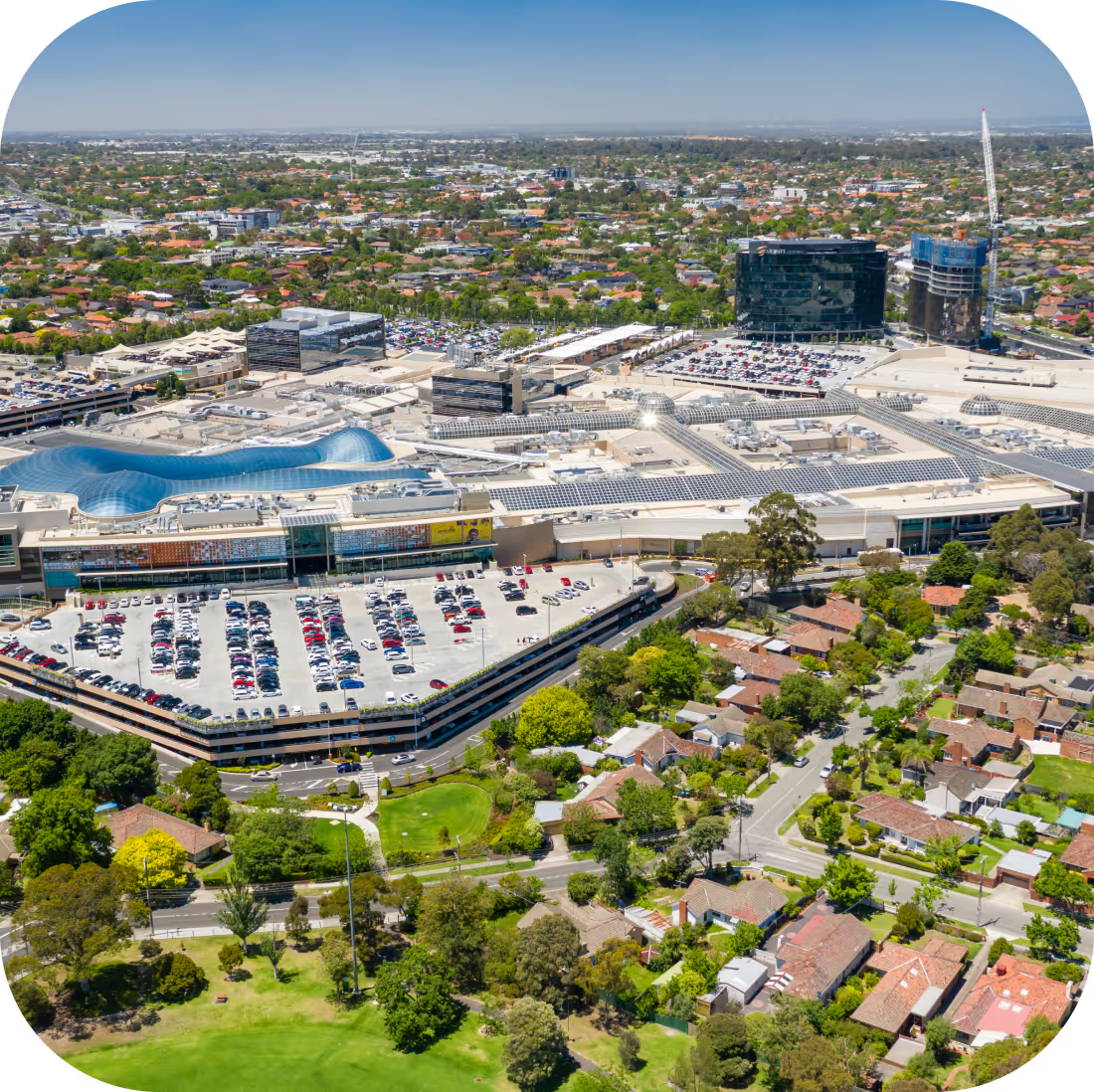
A loading dock is an area of a building, such as a shopping centre, where goods are loaded and unloaded from trucks or other vehicles. It provides a convenient and safe area for goods to be transferred between the vehicle and the building.
How Does A Loading Dock Work?
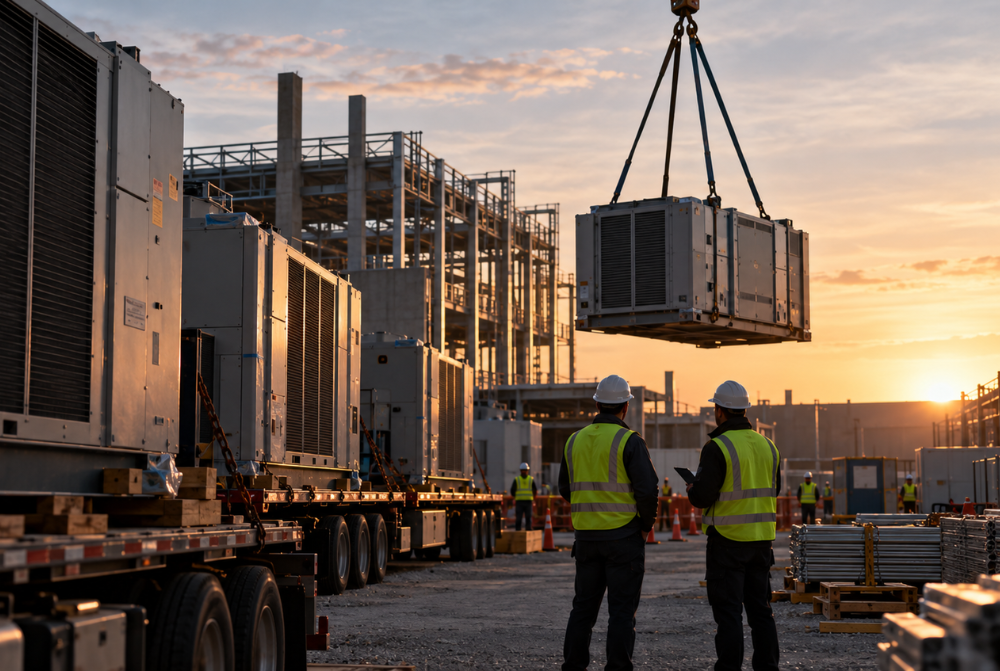
Typically, a loading dock works as a central hub for all incoming goods and services. It is where delivery trucks park and goods are unloaded and sorted before being transported to their final destination within the facility. It also hosts contractors hired for fit-outs, as well as the deliveries of materials needed for the job.
Why Effective Loading Dock Management Is Important?
To manage the high volume of deliveries that arrive every day, the loading dock needs to operate on a tight schedule with pre-arranged delivery slots and timed loading and unloading processes. Ineffective loading dock management can lead to wasted time, increased costs, and disruptions in the supply chain, resulting in unproductivity and tenant dissatisfaction.
Managing a loading dock effectively is important to:
- Improve efficiency and productivity: In facilities such as shopping centres that deal with multiple vehicles arriving at the same time, effective loading dock management is crucial for avoiding congestion and bottlenecks. With proper planning and management, loading dock operations can be streamlined to minimise traffic, ensuring a smoother flow of deliveries in and out of the facility. This not only improves overall efficiency but also reduces the risk of accidents and other safety hazards.
- Reduce costs: Improving loading dock operations reduces wasted time and unnecessary costs associated with delays in the loading and unloading process. By improving efficiency through proper planning and coordination, managers ensure drivers don’t overstay their visit and finish their work on time.
- Improve workforce management: With better organisation and planning, facility managers also eliminate unnecessary labour costs, allowing them to allocate their workforce more effectively. This allows the right people to be available at the right time.
- Enhance safety and compliance: Proper loading dock management can help ensure that safety protocols are followed and that all operations are in compliance with regulations and safety standards. As a result, facility managers can reduce accidents to a minimum.
- Improve customer service: With a loading dock running smoothly, tenants are assured that they will receive their deliveries on time and in good condition. As a result, tenant satisfaction and loyalty will grow too.
How To Manage Your Loading Dock Effectively?
There are several strategies and best practices that facilities can implement to manage their loading docks effectively and optimise their operations.
- Enhance Your Dock Design
A well designed loading dock can improve productivity and safety. By considering factors such as traffic flow, lighting, accessibility and end of trip facilities, managers can drastically improve their loading dock efficiency without much effort.
- Invest In Better Material Handling Equipment
Upgrading your equipment can help improve efficiency and reduce the risk of accidents. Investing in forklifts, pallet jacks, or other equipment that can help speed up the loading and unloading process will improve the overall efficiency of your loading dock.
- Implement Technology
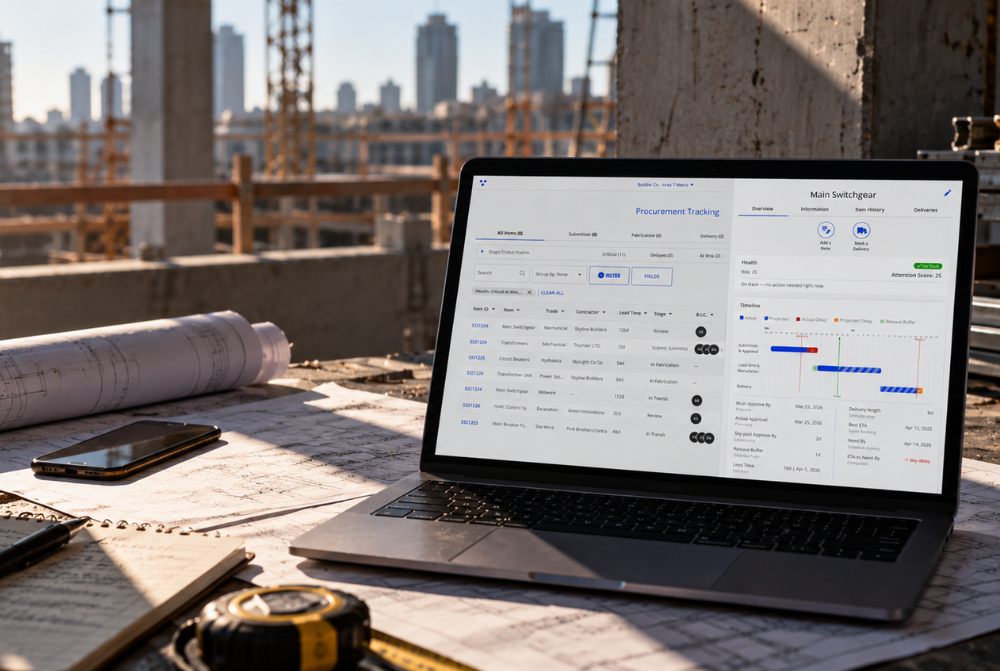
Leveraging technology and automation can significantly enhance the efficiency and accuracy of loading dock operations. Adopting Veyor’s loading dock management software can provide real-time visibility of loading dock activities. With its user-friendly design, Veyor helps facility managers track and manage incoming trucks, schedule deliveries, and monitor dock capacity.
- Optimise Your Loading Dock Scheduling
Efficient scheduling can help ensure that trucks are loaded and unloaded in a timely manner. Veyor’s Live Collaborative Scheduling system will help you manage the day-to-day logistics while also gathering data for insight analysis and big picture management. With its user-friendly delivery booking system, Veyor allows facility managers to keep track of visitors, communicate any changes with real-time notifications and manage all deliveries from anywhere, anytime.
- Improve Your Loading Dock Communication
Good communication and collaboration are vital for smooth operations in a loading dock. Consider implementing Veyor’s Live Collaborative system, to help ensure that everyone involved in the loading and unloading process stays communicated. With real-time notifications, Veyor keeps everyone on the same page without the effort and hassle of other manual systems.
Effective loading dock management is essential for successful day to day operations. Fortunately, digital delivery management systems such as Veyor can help streamline loading dock operations and minimise delays and congestion. By integrating Veyor’s digital solution, optimise your processes, reduce costs, and improve safety. Schedule a demo today and experience seamless loading dock management with Veyor!

Get the latest insights into your inbox