Cracking Chain of Responsibility
.png)
.avif)
An extended version of the Chain of Responsibility (CoR) legislation was introduced in 2018 to be wider reaching to make heavy vehicles stick to safety standards and make the roads safer for everyone. But with these changes, businesses confront the responsibility of managing their heavy vehicles and their drivers. The changes also mean that as a business, you are liable for every single part of the process in the supply chain, especially transportation.
Even though businesses are expected to manage everything on their own and be accountable, Chain Of Responsibility Management Plans are complex and hard to follow. With so many areas covered by one single legislation and so much to focus on, it is no wonder that everyone struggles with cracking CoR. We lay down here an easy guide to learn all about Chain of Responsibility to get you going.
What is Chain Of Responsibility (CoR)?
If you are here, like many others, looking for the chain of responsibility definition, we got your back. Chain of responsibility (CoR) is the law that ensures everyone who is involved with heavy vehicles, not only the driver or operator of the vehicle but also the business that employs the driver, the scheduler of the vehicle and the receiver are accountable for the safety and correct management of said heavy vehicle.
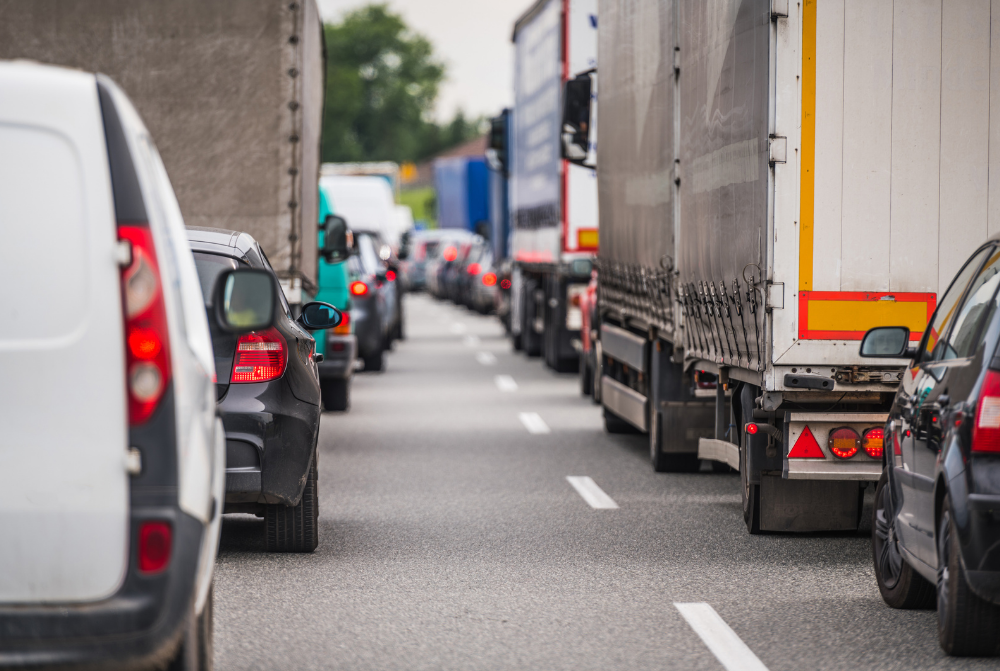
Heavy vehicles pose a risk to other drivers and people on the street, particularly when the roads are congested. Because of this, the CoR legislation ensures that drivers maintain the highest precaution by using wide roads instead of suburban streets when possible and avoiding peak hours such as school drop off and pick up times, among other things.
Why should you care?
In 2018, the Chain of Responsibility legislation took a more proactive approach, moving on from the previous reactive approach, to ensure everyone falling under the CoR umbrella takes appropriate steps to manage safety in a responsible manner. And the changes are more complex and harsher than you might imagine.
Contrary to the previous approach where drivers and businesses were prosecuted if and after an accident happened, now, businesses are liable for heavy vehicles wiggling out of the narrow room of compliance. This means that, with no exceptions, businesses are to be prosecuted if a heavy vehicle is found breaking compliance rules, such as taking illegal routes, overloading the heavy vehicle and many more.
Another broken chain of responsibility example is when a driver handles a heavy vehicle when in poor health conditions, or when no one inside a business takes reasonable steps to avoid a foreseeable risk.
Being prosecuted might not seem like a big deal, after all, before 2018 fines were only handed to those who were found guilty of causing an accident. However, now, fines are much higher, and prosecutors are far more strict when it comes to putting people at risk, inside your business or outside on the road. With only the need to prove that measurements weren’t taken to avoid risks even if an accident didn’t happen, businesses can see fines of up to $3 million or $300,000 for a person and, in more severe cases, 5 years of imprisonment.
How does it affect your future as a business?
Chain of Responsibility is as tricky as it gets. The legislation links so many parties together, paperwork is a nightmare. From keeping track of everything that is happening to losing money inadvertently on fines and other unforeseen costs, having systems in place to ensure your business is prepared for the future is essential.
As projects advance and developments start standing tall, it is important to keep track of all data necessary regarding your supply chain and the efforts you are making to comply. Checklists and paper-based systems get the work done but archiving all those documents and manually keeping track of everything is extremely difficult. It wastes time and effort for the files only to be forgotten or lost. And because investigations often involve examination, review and assessment of any records, policies, procedures and business documents to determine whether or not your operations complied with the law, paper-based systems are redundant when it comes to gathering months or even years’ worth of old documents.
A digital system can take all that burden from you and streamline it into tidy pdf documents, downloadable with just a click. Avoid massive delays and appeal expensive fines by simply investing in your project and its future by complying with Chain of Responsibility guidelines. It is just good business.
How can you improve the way you approach CoR?
A CoR management plan is one of the best and easiest ways to ensure your business stays compliant every step of the way. But it is as important, if not more, to keep everyone informed and on the same page. Communication is key and keeping safety guidelines at the top of everyone’s mind will help you keep your business and your drivers compliant. Be succinct and clear when communicating rules and regulations, and make sure everyone understands them.
But as parts of your supply chain change, your plan needs to adapt too. Constant reviews and updates need to be done to ensure your Chain of Responsibility management plan is optimal and working. For that, you need to make sure you are collecting all the necessary data.
Also, as more noise grows around CLOCS-A, a standard borrowed from the UK to ensure construction projects consider the safety of the community surrounding the site, making sure you comply with CoR can help you demonstrate CLOCS compliance too.
A good way to do all of this is with a Live Collaborative Scheduling system.
How Veyor helps you stay on top of everything:
- Stay compliant and enjoy full visibility of your CoR with our Live Truck Driver Tracking feature
- Prevent clashes and delays, leading to drivers doing overtime and being fatigued by adhering to the schedule with our Booking System
- Don’t waste time in writing reports and data gathering. Download Streamlined and Formatted PDFs of your reports, ready to be submitted to clients, councils and any other parties that request information on compliance like CLOCS-A.
- Improve vehicle safety with Digital Safety Checklists with attached photos
- Keep everyone aware of changes with Real-Time Notifications
- Save time and money with Delivery ETA’s linked to our simple booking system
Veyor is a complete construction logistics management platform with a suite of tools available that help you stay on top of everything with just a few clicks. We don’t only offer vehicle tracking but also a whole range of simple to use tools such as delivery and assets management scheduling, access control, work area scheduling and much more.
Get the latest insights into your inbox