News & updates
Back to all articles

Site managers are breaking up with their whiteboards

21.08.2020
3 mins
Share this post

That old chestnut

Ah, scheduling on a building site. When it runs like clockwork, there’s nothing sweeter. But more often, it goes belly up. Deliveries arrive last minute—or late—and workers stand around having a smoke whilst they wait for materials.

Best case planning scenario: you get your subbies together, gather round the whiteboard and argue for an hour over crane and delivery priorities. Everything looks good, you shake hands (or bump elbows these days) and move on. Your schedule is set… right? 

Until it rains, the crane breaks down, or the delivery driver is delayed on a previous job (or a Maccas detour). 

Then it’s back to the whiteboard or notepad (or whatever crumpled up piece of paper you can find), and a full-on phone call circus to reschedule the incoming deliveries. You wave bye to your lunchbreak as you start to individually call every guy down the supply chain to let them know about the change of plan. 

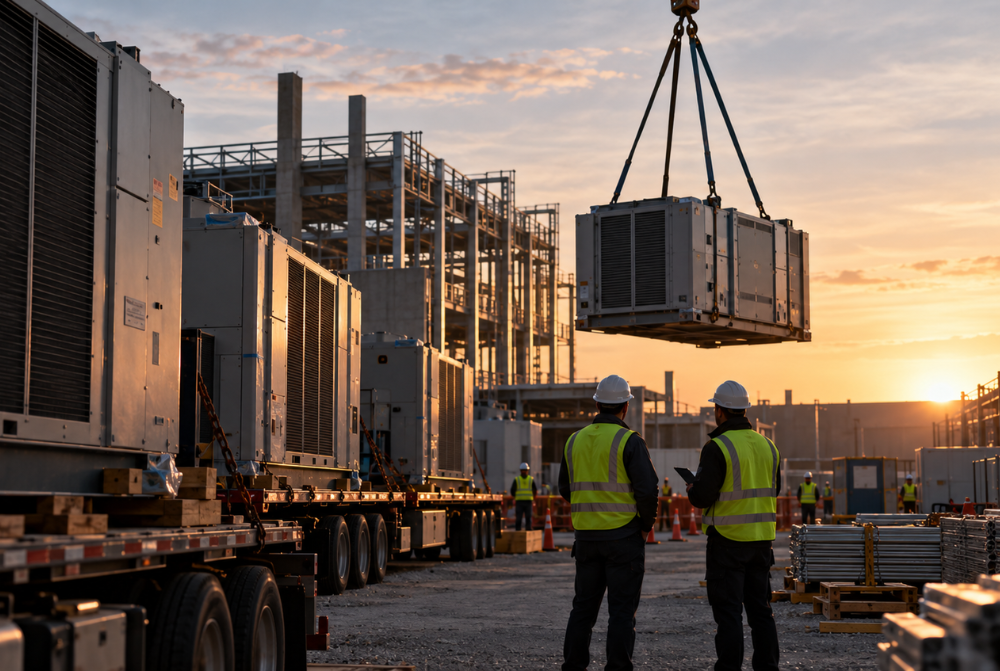
Change is inevitable, especially on the building site. Traffic holding up delivery trucks. High winds stopping the crane. A breakdown in the supplier assembly line. And if changes aren’t dealt with ASAP, traffic control and crane crews are standing around doing nothing, having to do overtime. Paid out of your pocket.

For a long time the whiteboard was the best tool out there for planning and coordination. But once you leave the shed, you can’t see what’s on the board. You can’t keep it up to date. And you have no idea who’s writing on it when you’re not there. 

Enter Veyor

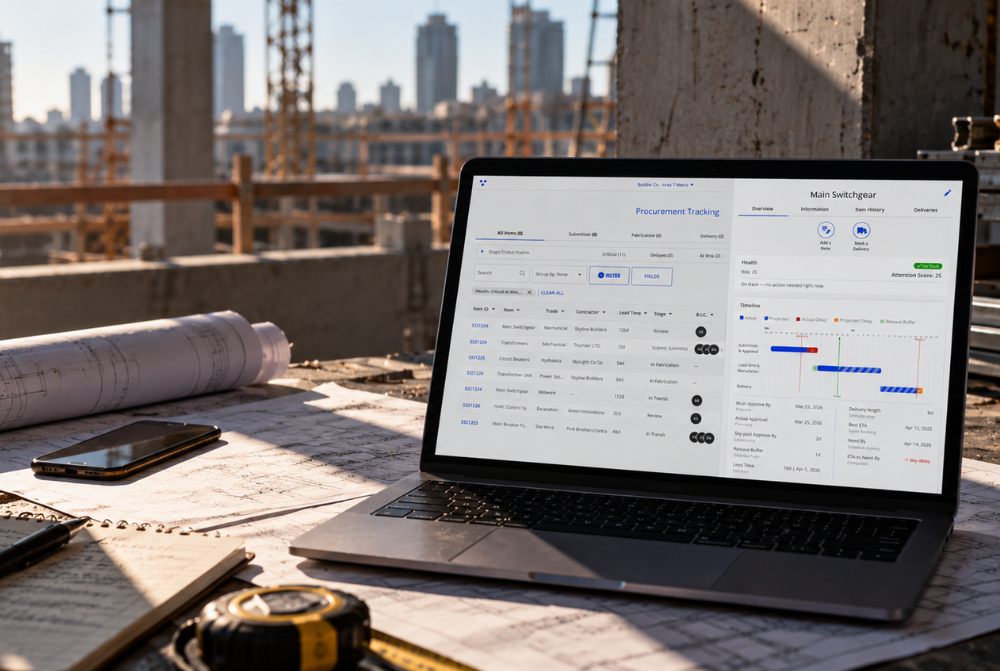
Veyor puts the whiteboard in your back pocket, lets you shuffle changes on the fly and notifies everyone immediately, without you having to make a single phone call. 

With the Veyor app, your phone becomes a digital crane board. That means you and your subbies can have a remote, live crane meeting (without the yelling) and an up-to-date schedule around the clock, that’s controlled by the right person.

Subbies can request assets on-site, so they’re not charging you for time spent on meetings and phone calls with suppliers. They can plan further ahead. And with one shared, undisputed source of information — everyone is more accountable and can coordinate better. 

Running the numbers 

By keeping your building site running smoothly, Veyor gives you some serious savings:

● 50% reduction in wait times

● 55% less clashes and forced cancellations 

● Over 30 minutes worth of phone calls saved per day for site managers and foreman

These add up to 1 day/month, or two weeks/annum. That’s thousands of dollars you’d otherwise be paying people for standing around doing nothing, or yarning on the phone.

On-site scenarios

Veyor saves you time and money:
When it rains

Amend and update your existing schedule, wherever you are, as soon as the weather turns. Reschedule bookings in minutes and maximise the rest of the work week so you’re not paying out unnecessary overtime. Suppliers will  get notified and won’t turn up to site while everyone’s at the pub. 

When your driver says he’s ‘right around the corner’

Simple driver tracking gives you an instant, realtime view of where incoming trucks are. With an overview of your moving parts, you can proactively direct them, rather than trying to play truck tetris on the spot, with everyone either standing around twiddling their thumbs, or running around like headless chooks. 

When disputes arise

Veyor tracks crane, hoist and forklift use, so you’ll have solid evidence when and if anyone tries to claim ‘insufficient timing’. You’ll also be able to record late and unscheduled deliveries, check backcharging of costs and compare long-term performance from different operators. 

Your building site will run like a charm, and (added bonus) make you look damn good. Win-win.

Sound like an upgrade you want to make? Give us a call or email and we can show you around the app.

What Are Some Of The Challenges Of Crane Management ?

It being a complex process that requires careful planning, organization, and coordination, there are several challenges that Site Managers or Superintendents face when managing their cranes, such as:

1. Weather Conditions

Changing weather can significantly impact crane operations. High winds, rain, and snow can make it unsafe for cranes to operate, and extreme temperatures can affect the crane's performance. Site Managers or Superintendents need to keep an eye out for any difficult weather conditions and plan ahead for alternatives such as shifting materials using internal lifts or having set areas to store the additional materials when cranes can’t operate. For example, some site teams set up warehousing areas on-site to store surplus materials that helps teams keep busy when there is a slow down in material delivery flow.

2. Site Constraints

Many construction sites have limited space, making it challenging to maneuver cranes around. Careful planning of the crane’s movements needs to be coordinated to avoid any obstacles that could be in its path. Superintendents or Site Managers also need to consider the crane's height and weight limitations to avoid damaging the site's infrastructure. Additionally, the location of the crane, access to unloading zones on roads, and staging areas need to be taken into consideration to ensure that the crane can operate safely and efficiently.

3. Availability of Cranes

Depending on the size and complexity of the project, multiple cranes may be required. Site Managers or Superintendents need to ensure that there are enough cranes available to meet the project's needs and that the cranes are being used effectively to avoid downtime. When this isn’t planned properly at the start of the job, supplementary mobile cranes are often brought in, which come at a high cost.

4. Scheduling Conflicts

Construction projects involve many different subcontractors, each with their own schedules and timelines. Scheduling conflicts can easily arise when multiple teams need to use the crane at the same time, leading to delays and inefficiencies. Good collaboration between all parties involved is essential to ensure that the assets are being used efficiently.

5. Human Error

Crane operators and other on-site personnel need to be trained to operate the crane safely and efficiently. Poor communication, lack of experience, and scheduling clashes can lead to accidents on-site. In order to minimize the risk, Site Managers or Superintendents need to provide proper training and supervision to ensure that everyone on the site is collaborating and communicating. When new high risk activities are undertaken, it is also crucial that site teams perform an appropriate lift study that is audited by all key stakeholders prior to work commencing.


How to Optimize Your Crane Management?

To optimize your crane management, digital comprehensive solutions such as Veyor’s Construction Logistics Management Software are the way to go. Veyor offers a range of features that revolutionizes crane management with just a couple of clicks. Some of the features of Veyor include:

  • Easy crane booking system
  • Collaborative scheduling
  • Real-time notifications about changes and cancellations
  • Tracking of crane usage for actuals and planned data
  • Comprehensive reporting and analytics
  • Visual logistics board


Effective crane management is an essential aspect of construction logistics management. By optimizing crane usage, minimizing downtime, and ensuring safety, construction companies can save money, improve efficiency, and prevent accidents. With a comprehensive solution like Veyor, Site Managers or Superintendents can optimize their crane management and focus on their projects' success.

Get the latest insights into your inbox

Thank you! Your submission has been received!
Oops! Something went wrong while submitting the form.