The Importance of Logistics in Construction Management
.png)
.avif)
Construction logistics is an integral part of any construction project. From planning to execution, logistics ensures the smooth operation of the project. In this article, we'll define construction logistics, explain its importance, and explore some key factors that can impact on-time project completion. Whether you're a construction professional or simply interested in learning more about the field, keep reading to discover the ins and outs of construction logistics.
What is Construction Logistics?
Construction logistics is the process of planning, coordinating, and executing the transportation, storage, and distribution of materials, equipment, and personnel needed for construction projects. It involves managing the movement of people, goods, and assets to and from the construction site.
Factors That Can Make Or Break Construction Logistics
There are many factors that can affect the way the logistics of a construction project are managed but the most important ones include:
1. Site Location
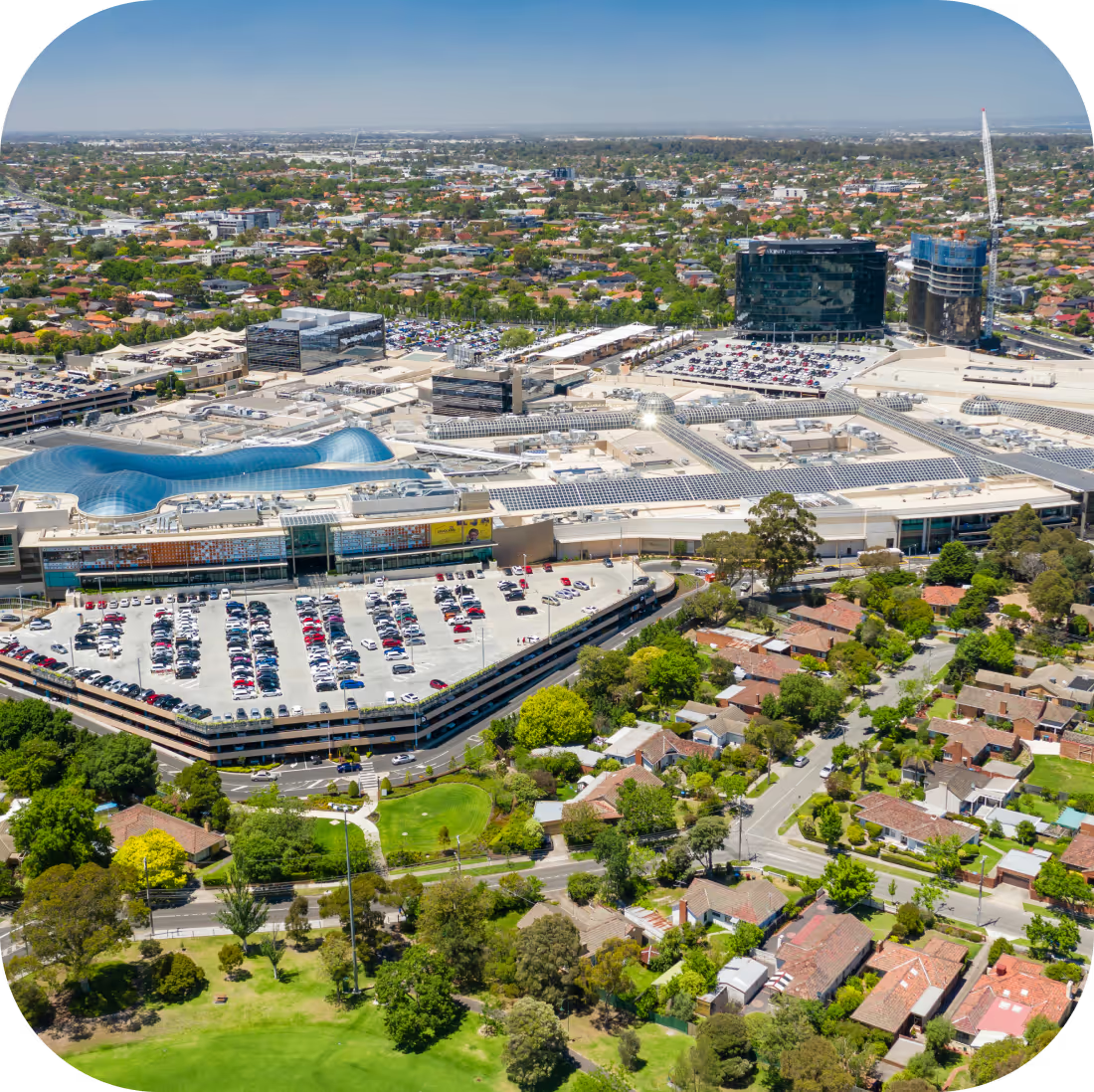
The location of a construction site plays a crucial role in determining the success of the project's logistics. The accessibility of the site, the transportation routes and traffic rules can all affect the deliveries coming on-site. Sites located in the city center may have limited access routes, making coordinating deliveries difficult. In contrast, remote sites may require more planning to coordinate deliveries and ensure timely project completion.
Factors such as vehicle safety legislations, limited access points and heavy traffic around the site will influence the complexity and success of the construction logistics involved in the project. For instance, if the site is located near a school, deliveries may need to be scheduled outside of school pick-up and drop-off times to avoid traffic congestion. Additionally, the site street must also have enough frontage to accommodate crane pick-ups, and obstacles, such as trees or bus zones, may limit available space.
2. Crane Selection
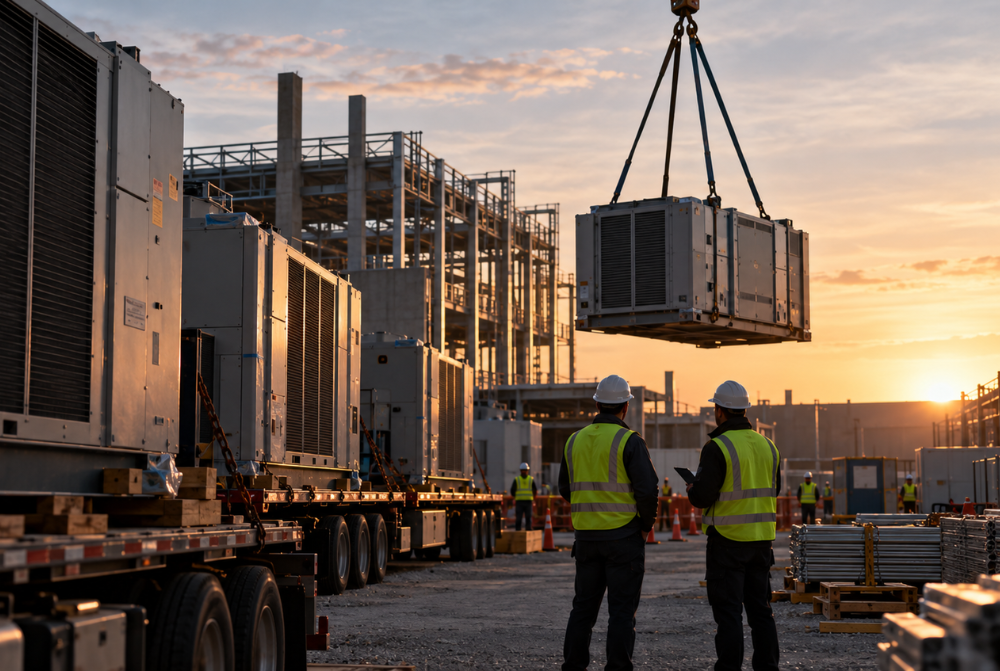
Crane selection is another critical factor that can impact the logistics of construction projects. Builders must assess whether one or more tower cranes are needed to increase productivity, but also consider if the increased cost of hiring multiple cranes is worth it. Spatial limitations can also restrict the number of cranes that can fit on a building, and the type of crane used. For instance, Luffing Cranes are more expensive than the standard Hammerhead cranes but allow the crane jib to be pulled back, reducing the crane radius when at rest, making them ideal for limited spaces.
Insufficient cranage on site is a common challenge faced by many site teams, which often requires supplementing with temporary mobile cranes, which can be even more expensive. Therefore, it's crucial to evaluate all options before selecting the most suitable crane arrangement for the project. Choosing the right crane type, size, and number can help maximize efficiency, minimize delays, and ensure a successful construction project.
3. Rules and Regulations
Construction projects need to comply with strict regulations and laws. Heavy vehicles are obligated to only use approved routes and only deliver inside a specific time window. Failure to comply could mean big fines and legal issues that will freeze the project until they are resolved, affecting the project’s timeline.
For instance, some sites have specific routes that all heavy vehicle traffic must go through. If vehicles go "off track," there can be significant fines. Additionally, there may be restrictions surrounding school pick-up hours, which can impact day-to-day delivery times. Site Managers or Superintendents need to work hard to stay compliant and keep everyone safe when dealing with such complex logistics.
Effective management of site location, crane selection and rules and regulations are crucial for successful construction logistics. By taking these factors into account and planning accordingly, site managers or superintendents can minimize delays and ensure that their projects remain on track despite unexpected weather changes.
Why is it important to have a good Construction Logistics Plan?
Site managers or Superintendents have to deal with very tight schedules, and delays can quickly have a trickle down effect on the project timeline. Things such as late deliveries or poor management of assets can lead to cost overruns and project delays.
By having an efficient Construction Logistics Plan (CLP), Site Managers and Superintendents can anticipate potential challenges and have contingency plans in place to mitigate any issues that could arise. Effective transportation planning, material handling, scheduling, and site management are critical to ensure that the right materials and equipment are in the right place at the right time to achieve effective budgeting and timely completion of the project.
How can Construction Logistics Management Software help?
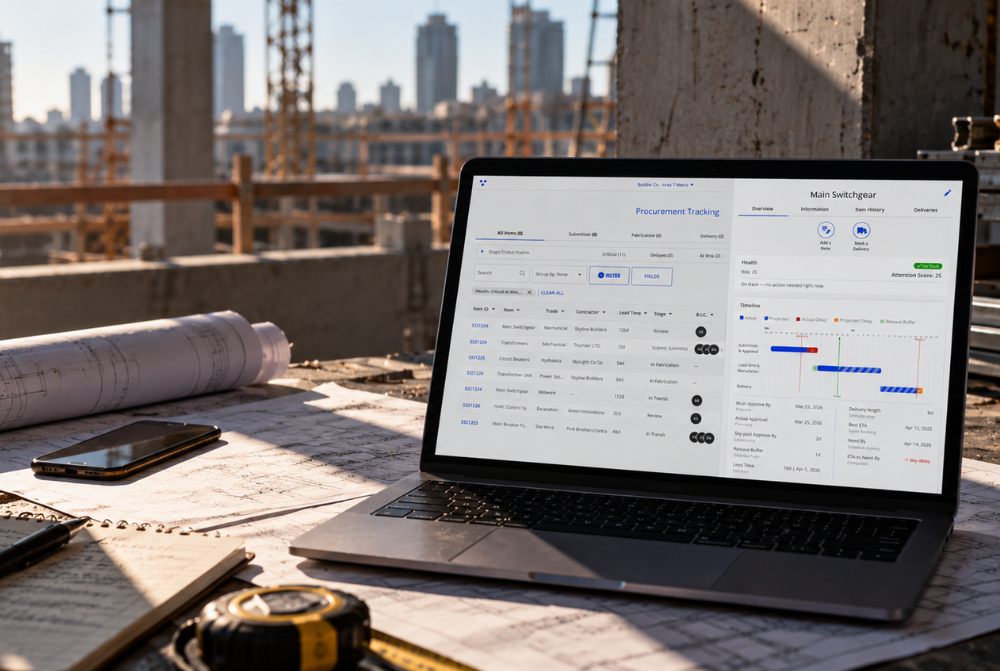
Construction Logistics Management Software can be a very valuable tool to coordinate deliveries and manage construction sites efficiently. Veyor simplifies Construction Logistics by digitizing the process, and helps Site Managers or Superintendents improve productivity and efficiency. Some of the biggest benefits include:
- Better communication and collaboration
- Efficient use and distribution of resources
- Improved asset management
- Reduced environmental impact
- Improved safety
- Reduced overtime costs
- Reduced disputes and arguments
From Chaos To Control Thanks To Digital Solutions
In recent years, digital construction logistics management has become increasingly essential for the success of medium to large-scale projects. The redevelopment of HMAS Watson serves as a great example of how complex logistics and extensive planning can be streamlined with digital tools. Site manager, Elvis Kovacevic, knew that Watsons Bay’s intricate access routes and strict regulations of the site would cause logistics challenges that needed to be effectively managed. He turned to Veyor to help him coordinate the numerous deliveries and teams arriving on-site.
With the help of Veyor’s construction logistics management app, subcontractors are able to digitally book delivery times, receive automatic updates on route restrictions and site requirements, and work more efficiently. Elvis has eliminated the need for daily meetings, conflicts, and unscheduled deliveries. As a result, Kovacevic has been able to approve deliveries from anywhere, including from the comfort of his home or the beach, saving an impressive 9,100 hours in the process.
Better Logistics Thanks To Technology
Terentius Constructions' Site Manager, Alexander Allan, faced a daunting challenge when tasked with overseeing The Parade West development project; three residential apartment buildings located in the heart of West Ryde.
Despite his best efforts, Alexander found himself struggling to manage the project’s logistics effectively because of the site’s narrow and busy location. The limitations of manual logistics management systems made it impossible to manage hundreds of deliveries every day, keep stakeholders informed when changes occur and ensure compliance with traffic laws. He was unable to optimize delivery schedules and minimize asset overtime, leading to costly delays and increased project expenses.
By leveraging Veyor’s Construction Logistics software, Terentius Constructions was able to overcome their logistical challenges and efficiently manage their deliveries. With Veyor’s Digital Whiteboard, Alexander was able to fix his problems in a few clicks. The Construction Logistics Management app allows the teams on-site to schedule deliveries in seconds and communicate with real-time notifications. The app also gathers data on asset utilization and streamlines it into a visual insights dashboard for easy analysis. Thanks to these features, Alexander and his team were able to manage and optimize their construction logistics to complete the project on time and within budget.
A Comprehensive Solution For All Construction Logistics Needs
Good Construction Logistics Management is essential for the success of any construction project. A Construction Logistics Software like Veyor helps construction companies make the most efficient use of their resources, improve safety, reduce environmental impact, promote better communication and collaboration, and improve project management, resulting in successful and profitable projects.

Get the latest insights into your inbox