News & updates
Back to all articles

Introducing the Veyor Data API - now available for all users
23.02.2024
1 min
Share this post

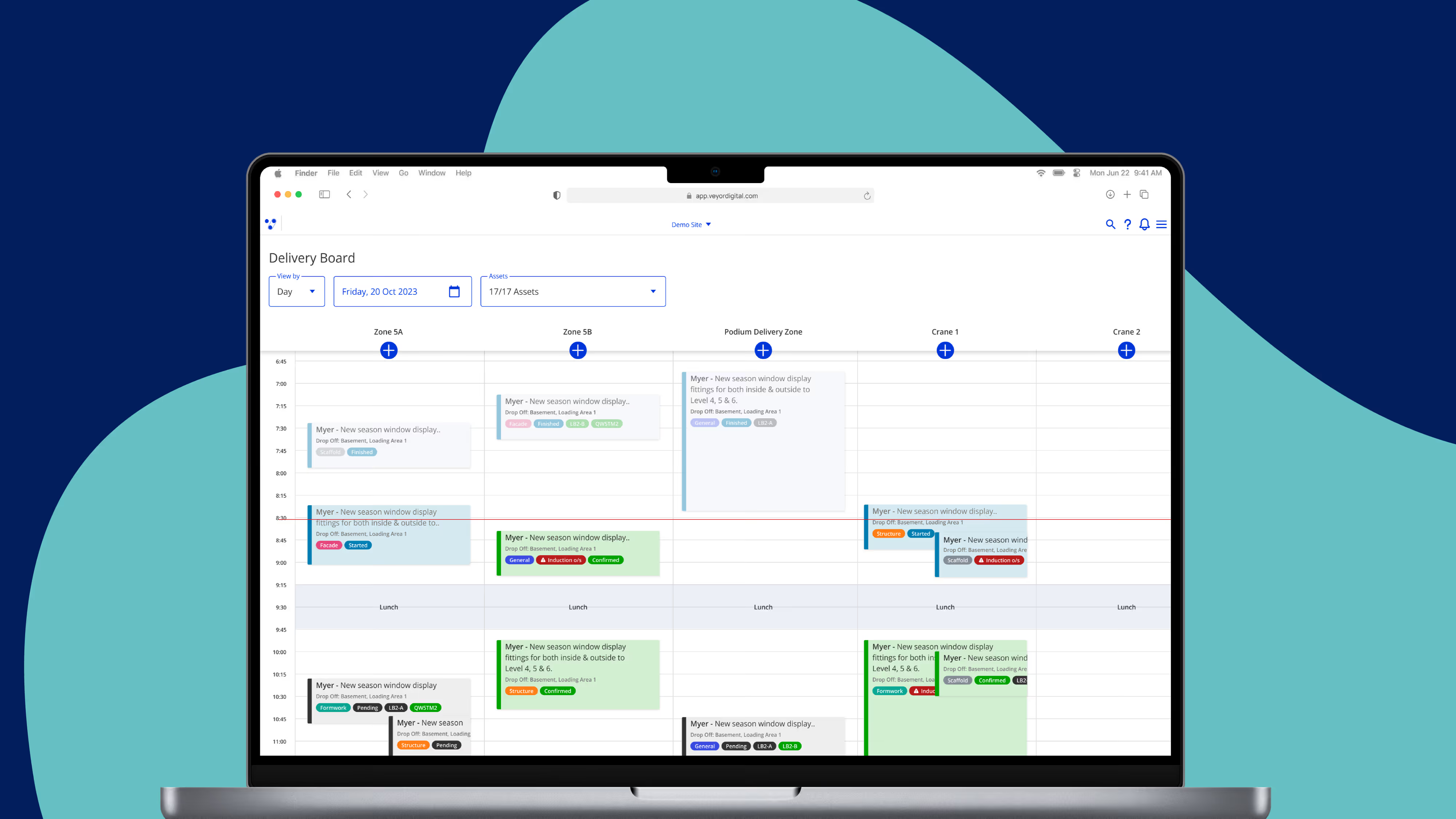
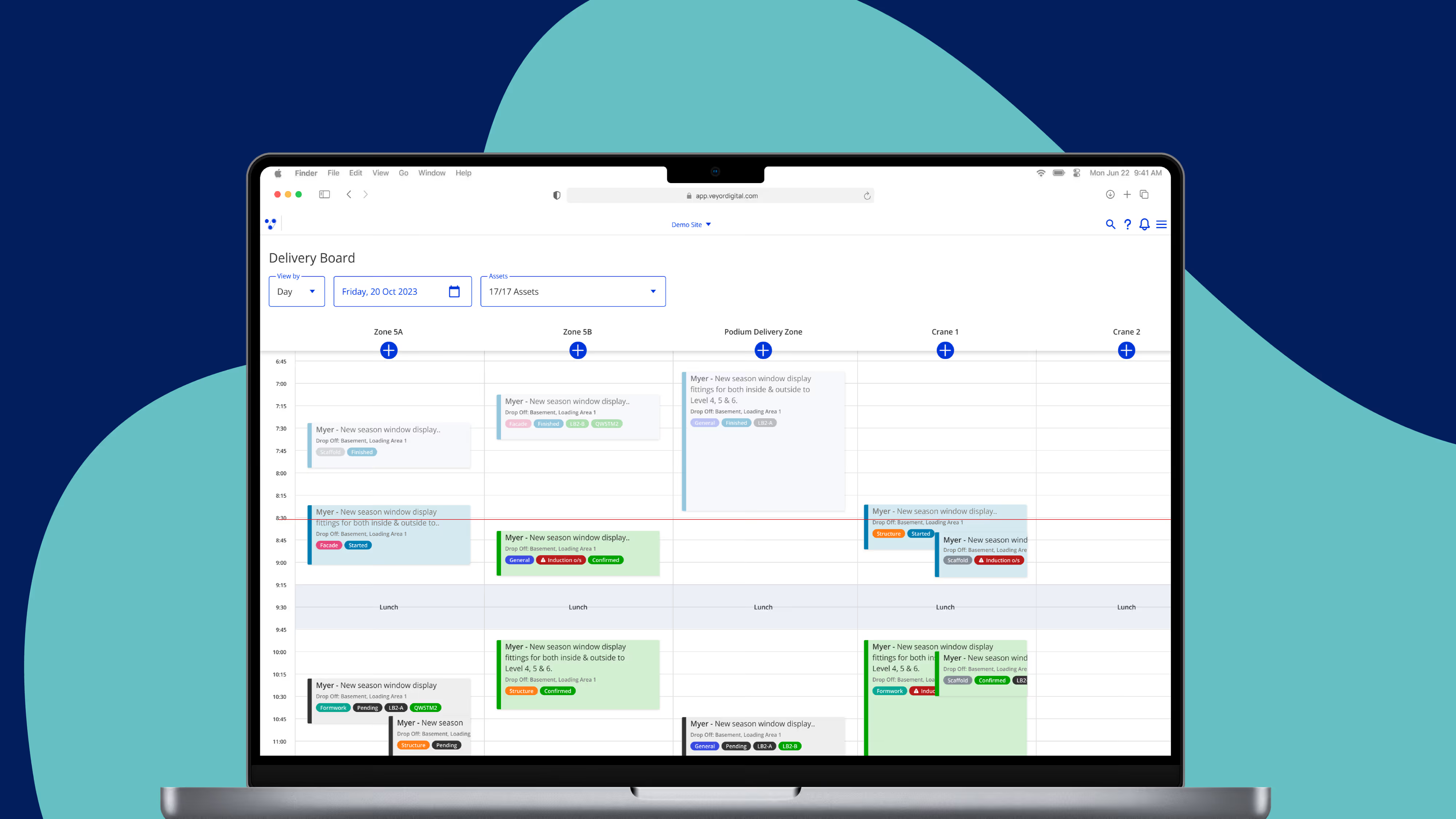
Veyor has deployed a Data API that will help our customers seamlessly access their site data stored in Veyor. With this new programmatic access, in-house data analysts and developers can combine the data in Veyor with other organization data sets to extract even more meaningful insights on their projects.

What does this mean for our customers?

The API will allow you real time access to data collected in Veyor due to all the site activities managed in Veyor. This includes data associated with your various sites, users on those sites, bookings for those sites, and vehicle and traffic movements.    

You can use the same API to pull data into BI tools like PowerBI or Tableau, and in turn create customized dashboards that augment the ones already provided in Veyor.

For the technically minded

The Restful API has been built using industry best practices for security, scalability & availability. Comprehensive API  documentation as well as a set of samples will allow your development teams to hit the ground running.  

If you want to learn more or are ready to get started using the Data API, contact our Customer Success team. They will issue you with all the necessary information as well as the security credentials you need to use the API.

What Are Some Of The Challenges Of Crane Management ?

It being a complex process that requires careful planning, organization, and coordination, there are several challenges that Site Managers or Superintendents face when managing their cranes, such as:

1. Weather Conditions

Changing weather can significantly impact crane operations. High winds, rain, and snow can make it unsafe for cranes to operate, and extreme temperatures can affect the crane's performance. Site Managers or Superintendents need to keep an eye out for any difficult weather conditions and plan ahead for alternatives such as shifting materials using internal lifts or having set areas to store the additional materials when cranes can’t operate. For example, some site teams set up warehousing areas on-site to store surplus materials that helps teams keep busy when there is a slow down in material delivery flow.

2. Site Constraints

Many construction sites have limited space, making it challenging to maneuver cranes around. Careful planning of the crane’s movements needs to be coordinated to avoid any obstacles that could be in its path. Superintendents or Site Managers also need to consider the crane's height and weight limitations to avoid damaging the site's infrastructure. Additionally, the location of the crane, access to unloading zones on roads, and staging areas need to be taken into consideration to ensure that the crane can operate safely and efficiently.

3. Availability of Cranes

Depending on the size and complexity of the project, multiple cranes may be required. Site Managers or Superintendents need to ensure that there are enough cranes available to meet the project's needs and that the cranes are being used effectively to avoid downtime. When this isn’t planned properly at the start of the job, supplementary mobile cranes are often brought in, which come at a high cost.

4. Scheduling Conflicts

Construction projects involve many different subcontractors, each with their own schedules and timelines. Scheduling conflicts can easily arise when multiple teams need to use the crane at the same time, leading to delays and inefficiencies. Good collaboration between all parties involved is essential to ensure that the assets are being used efficiently.

5. Human Error

Crane operators and other on-site personnel need to be trained to operate the crane safely and efficiently. Poor communication, lack of experience, and scheduling clashes can lead to accidents on-site. In order to minimize the risk, Site Managers or Superintendents need to provide proper training and supervision to ensure that everyone on the site is collaborating and communicating. When new high risk activities are undertaken, it is also crucial that site teams perform an appropriate lift study that is audited by all key stakeholders prior to work commencing.


How to Optimize Your Crane Management?

To optimize your crane management, digital comprehensive solutions such as Veyor’s Construction Logistics Management Software are the way to go. Veyor offers a range of features that revolutionizes crane management with just a couple of clicks. Some of the features of Veyor include:

  • Easy crane booking system
  • Collaborative scheduling
  • Real-time notifications about changes and cancellations
  • Tracking of crane usage for actuals and planned data
  • Comprehensive reporting and analytics
  • Visual logistics board


Effective crane management is an essential aspect of construction logistics management. By optimizing crane usage, minimizing downtime, and ensuring safety, construction companies can save money, improve efficiency, and prevent accidents. With a comprehensive solution like Veyor, Site Managers or Superintendents can optimize their crane management and focus on their projects' success.

Get the latest insights into your inbox

Thank you! Your submission has been received!
Oops! Something went wrong while submitting the form.