Loading Dock vs Loading Bay: Terminology, Design & When It Matters
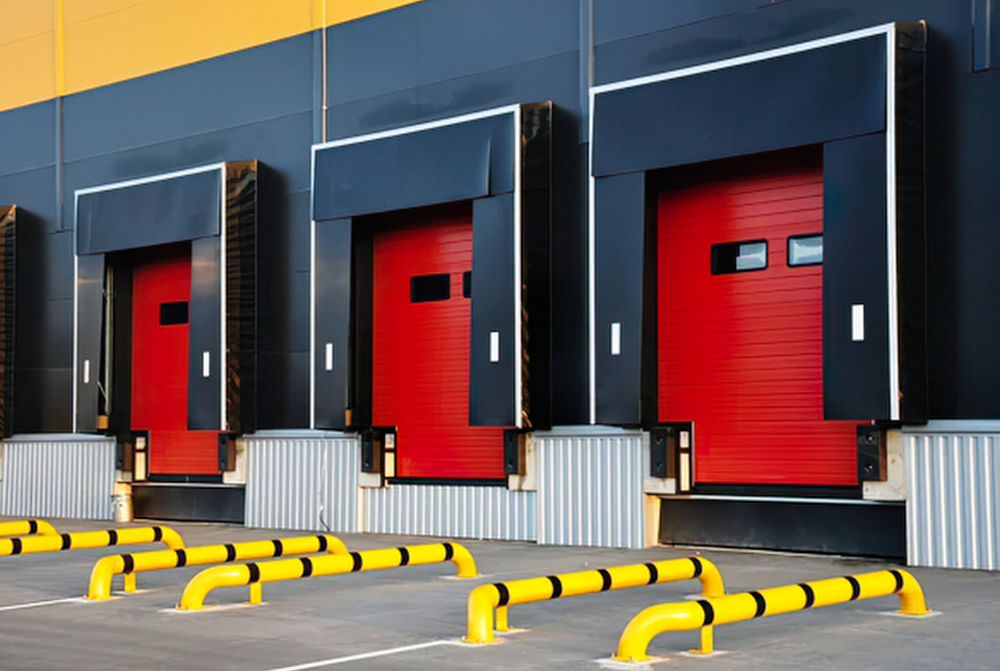
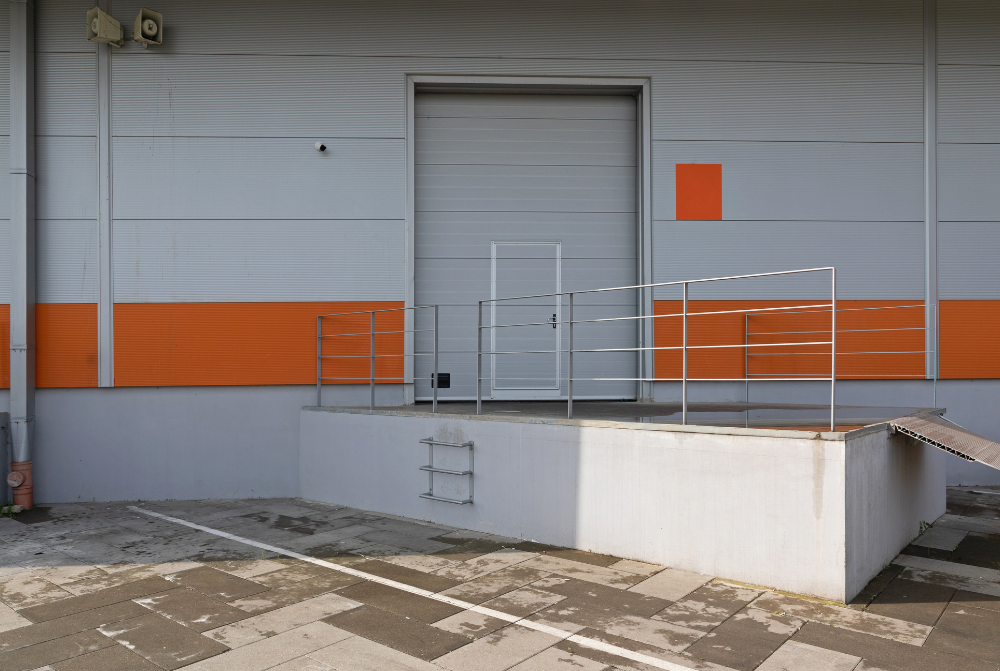
A loading dock and a loading bay are closely related, but they aren't always the same thing. In the strictest technical sense, defined by international property measurement standards, a loading dock is the elevated platform where goods are received or dispatched, while a loading bay is the vehicle area next to or adjacent to that dock (RICS/IPMS definitions, via Designing Buildings). In everyday use, the two terms are often interchangeable. Which one you hear also depends partly on where you are and what kind of document you're reading, whether a lease, a design standard, or a council guidance note.
For a facilities manager, this isn't just trivia. Get the terminology wrong on a lease, a design spec, or a retrofit scope, and you can end up with the wrong equipment quoted, the wrong clause negotiated, or the wrong expectations set with a landlord or contractor.
What Is the Difference Between a Loading Dock and a Loading Bay?
The most authoritative distinction comes from RICS's International Property Measurement Standards, which define a loading dock as an elevated platform and a loading bay as the vehicle area adjacent to it (source). Under that definition, the dock is the structure, and the bay is the space a truck actually occupies while it's there.
Not everyone uses the words this way, though. Some industry sources reverse it. Link Logistics, one of the largest industrial real estate landlords in the US, describes the loading dock as the broader area, including the platform and equipment, and the loading bay as the individual truck position within it, writing that "a truck might be assigned to the eleventh loading bay at a distribution center's loading dock" (source). Australia's own AS 2890.2 standard, covered below, uses the terms the same way Link Logistics does: "loading dock" for the overall facility, "loading bay" for the specific vehicle space inside it. Equipment publishers like Dura-Ramp and ShipBob generally align with the RICS framing instead, treating bay as the general area and dock as the specific platform (Dura-Ramp, ShipBob). Wikipedia treats the two terms as straightforward synonyms altogether (source).
The honest answer: usage isn't fully standardized across the industry, and it isn't even consistent by country. If you're reviewing a lease or spec document that uses one term or the other, don't assume you know which meaning the writer intended. Ask.
Is "Loading Bay" Just the British Word for "Loading Dock"?
Partly, yes, but it's more of a pattern than a hard rule. Merriam-Webster labels "loading bay" as "chiefly British" (source), while "loading dock" carries the regional label for the United States and is the standard North American term (source).
That pattern holds up in some, but not all, of Veyor's core markets:
- UK: The Health and Safety Executive's guidance on workplace transport uses "loading bays" throughout (source).
- Singapore: The Land Transport Authority's Code of Practice on Vehicle Parking Provision uses "loading/unloading bays" as its standard term (source), and the Urban Redevelopment Authority publishes loading bay design guidance for developments (source).
- US: OSHA, the US federal safety regulator, uses "loading dock" as the standard term in its guidance on trucking industry loading and unloading operations (source).
- Australia: AS 2890.2, the national standard governing commercial vehicle facilities, uses "loading dock" as its primary term for the overall facility, and reserves "loading bay" for the specific vehicle space within it, alongside "service bay" for the same concept (source). So while "loading bay" shows up plenty in everyday Australian usage, the formal engineering standard actually leans on "dock," not "bay," for the facility as a whole.
The takeaway for a multi-region portfolio: don't assume "bay" always means the Commonwealth version of "dock." Check which specific document or standard you're reading, since even within a single country, the term can shift depending on whether you're looking at a lease, a council guidance note, or a technical standard.
Loading Dock Design Standards Every Facilities Manager Should Know
Whether you call it a dock or a bay, the physical standards are consistent enough to check against on a site visit or a set of drawings.
Height. The standard dock height in North America ranges from 48 to 52 inches, matching the bed height of a standard semi-trailer, with 48 inches being the most common benchmark (source). Dock levelers then bridge the gap between the dock and the trailer bed, typically adjusting within about 12 inches in either direction to accommodate trailers ranging from 36 to 60 inches high.
Doors. A standard dock door is roughly 9 feet wide by 10 feet high (source), sized for a loaded trailer to back squarely into the opening.
Equipment. Beyond the platform itself, a functioning dock typically includes a leveler, a door seal or shelter, a vehicle restraint, and bumpers. Missing any one of these is a common gap in older or under-maintained facilities.
Bay dimensions (Australia). Under AS 2890.2, the loading bay itself generally needs a minimum width of 3.5 meters, often increased to 4 meters for larger vehicles to allow room for door swing and operational clearance, with bay length sized to the largest design vehicle expected on site, up to a 19-meter semi-trailer (source).
Safety. In the US, OSHA requires fall protection wherever there's a drop of four feet or more, which applies directly to most elevated dock edges, and the loading dock is repeatedly cited as one of the highest-injury areas of a facility (source).
Why Does the Terminology Matter When Leasing or Retrofitting a Facility?
The loading dock, or bay, is one of the hardest features of a building to change after a lease is signed. It's fixed infrastructure, tied to the building's slab, structure, and truck court, and it directly limits throughput for whoever occupies the space (source).
That makes precision worth the effort at three specific moments:
Evaluating a lease. A property listed as having "loading bays" versus "loading docks" isn't automatically telling you about elevation or equipment; confirm what's actually built. As a rough benchmark, a 100,000-square-foot distribution facility typically has at least 15 loading docks, while a 250,000-square-foot facility may have more than 50, and truck courts should provide at least 120 feet of depth for maneuvering (source). Distribution space generally needs roughly one dock per 5,000 to 10,000 square feet, though the right ratio varies by use (source).
Scoping a retrofit. Whether your contractor's scope says "bay" or "dock," make sure the drawings specify height, leveler type, door size, and restraint equipment explicitly. Retrofitting an existing bay typically runs $10,000 or more per position, while building a new dock can exceed $20,000 (source).
Writing an RFP. If you manage a multi-region portfolio, use both terms in your documentation and confirm which meaning applies to each project, so contractors and vendors in every market understand exactly what you're asking for.
Frequently Asked Questions
What is the difference between a loading dock and a loading bay?
By RICS/IPMS standards, a loading dock is the elevated platform, and a loading bay is the vehicle area next to it. Other sources, including major industrial landlords and Australia's own AS 2890.2 standard, use the terms the other way around, so the two are often used interchangeably in practice.
Is a loading dock and a loading bay the same thing?
In casual use, often yes. Technically, there's a subtle structural distinction, but it isn't consistently applied across the industry or even within a single country.
Is "loading bay" a British term?
It's a pattern more than a rule. Merriam-Webster labels it "chiefly British," and it's the standard term used by regulators in the UK and Singapore. Australia is the exception. Its core commercial vehicle standard, AS 2890.2, actually uses "loading dock" for the facility and "loading bay" for the vehicle space within it.
What is a loading bay used for?
It's the area where goods are loaded onto and unloaded from vehicles, often including space for staging and sorting freight, whether or not the area itself is elevated.
How many loading docks does a building need?
As a general benchmark, distribution facilities need roughly one dock per 5,000 to 10,000 square feet, with a 100,000-square-foot building typically having at least 15. The right number depends heavily on the type of operation.
What is the standard loading dock height?
Typically 48 to 52 inches in North America, matching trailer bed height, with levelers adjusting roughly 12 inches in either direction.
See how Veyor gives commercial real estate teams a shared, real-time view of dock activity.
Whatever you call it, an unmanaged dock or bay creates the same problem: no visibility into what's arriving, when, and whether the space can actually handle it. Veyor gives facilities and property teams a live view of every booking, so tenants, security, and building management are all working off the same schedule instead of a clipboard at the door.



Get the latest insights into your inbox