Top 5 Tips To Improve Loading Dock Safety And Efficiency
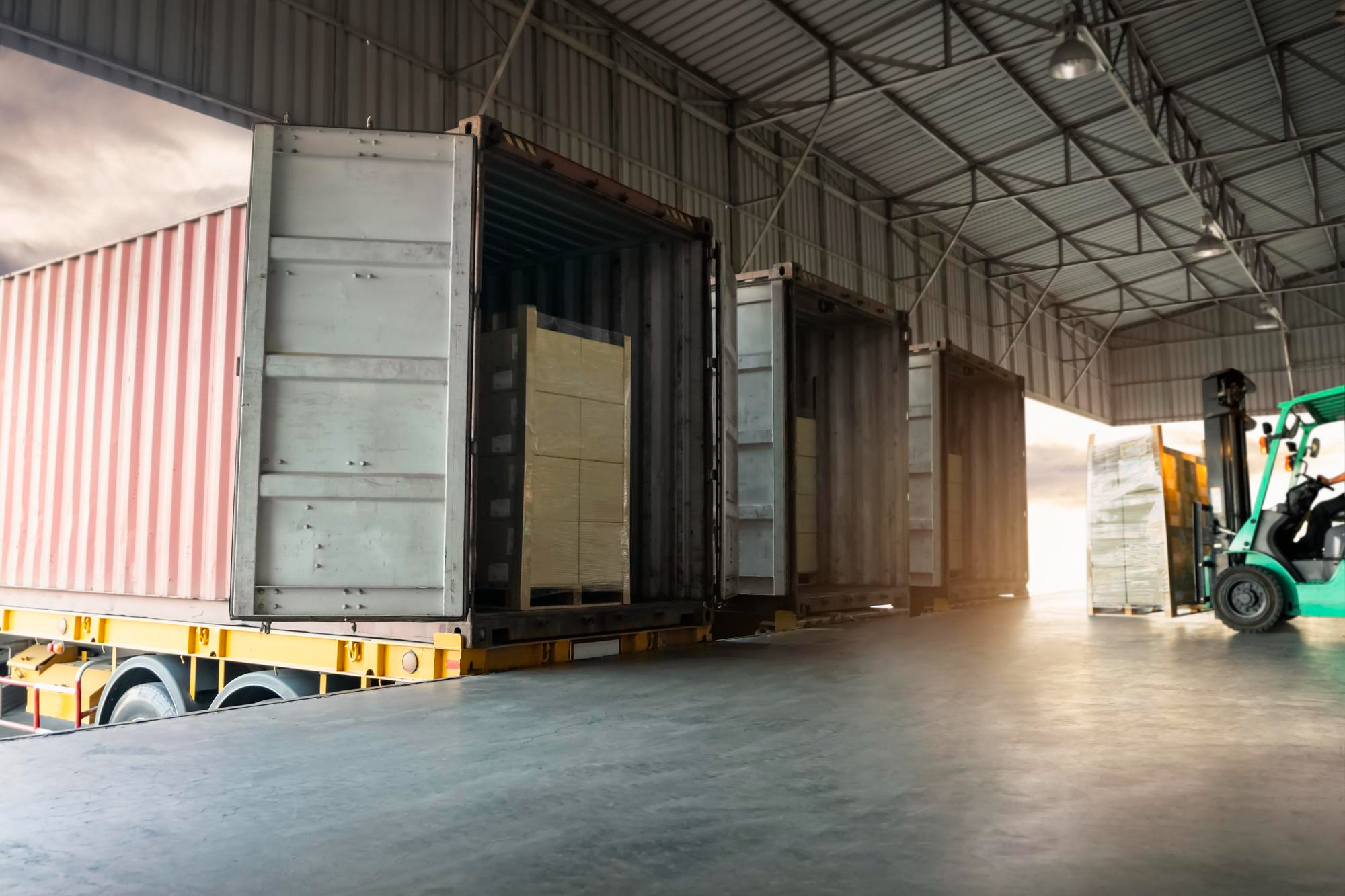
Loading docks are crucial areas in shopping centers and other commercial buildings where deliveries and materials are loaded and unloaded. Ensuring loading dock safety and efficiency is of utmost importance to prevent accidents, optimize operations, and maintain a productive workflow.There are various challenges associated with loading dock management that can throw operations into disarray, disrupting productivity and increasing costs. Learn more about loading docks and the five practical tips to enhance safety and efficiency.
What Is The Importance Of Loading Dock Safety And Efficiency?
Loading docks serve as the lifeline of logistics operations, facilitating the delivery of goods and materials. Ensuring loading dock safety is crucial to protect employees, prevent injuries, and minimize workplace accidents. Simultaneously, optimizing loading dock efficiency helps streamline operations, reduce delays, and enhance overall productivity.
What Are The Challenges In Loading Dock Management?
Managing a loading dock involves dealing with several challenges that can hinder safety and efficiency. Some common challenges include:
The Complexity of Loading Dock Operations
The dynamic and fast-paced nature of loading docks demands an agile approach to maintain productivity in the whirlwind of daily activities. From orchestrating the unloading and loading of materials to handling deliveries and coordinating with drivers is a complex task. In order to successfully manage your loading docks, careful planning, effective communication, and efficient execution is vital.
Safety Risks
Loading docks can be a hazardous environment, harboring various safety risks. Slips, trips, and falls can happen easily due to slippery surfaces and uneven ground. Additionally, the likelihood of injuries increases because of the heavy loads being handled in congested spaces. It is essential to identify potential hazards, implement safety protocols, and provide adequate training to mitigate risks. A focus on safety not only protects employees and visitors but also safeguards the integrity of the deliveries being handled.
Unauthorized Access
Uncontrolled access to loading dock areas opens the door to a host of security concerns. Theft, vandalism, and unauthorized individuals entering restricted zones pose significant risks to both workers and tenants. Implementing good entry management systems helps ensure that only authorized personnel enter the premises. Maintaining a secure environment not only protects valuable assets but also promotes peace of mind for everyone involved.
Scheduling Conflicts
Poor scheduling practices can wreak havoc on loading dock operations. Congestion, delays, and inefficiencies increase when delivery arrivals and workers are not effectively coordinated. Implementing Veyor’s advanced scheduling system, and leveraging strong communication with drivers and visitors can alleviate scheduling conflicts and improve overall efficiency.
Environmental Factors
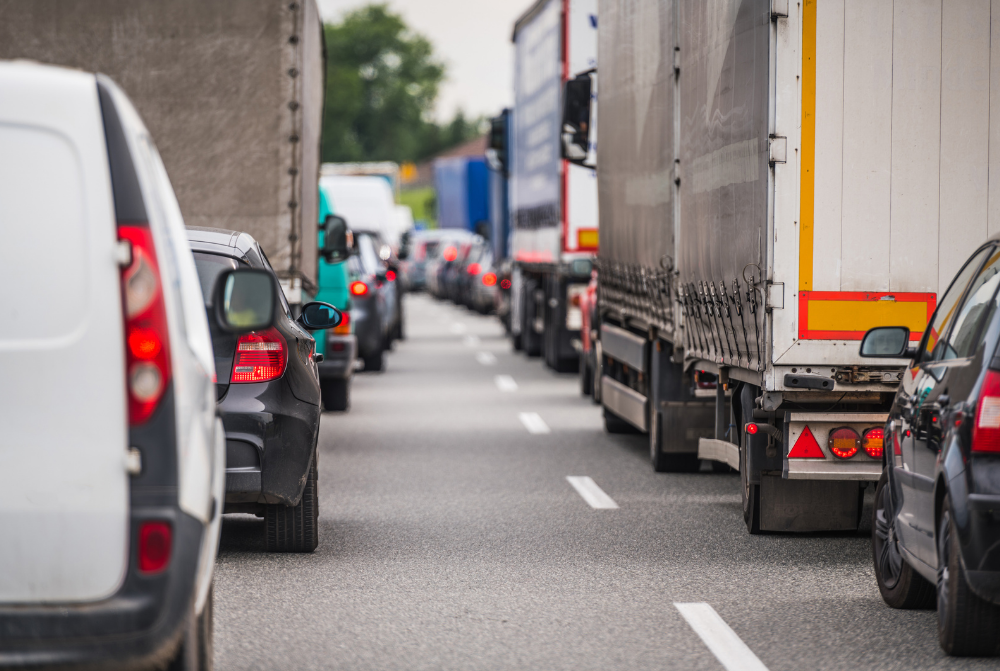
Environmental issues, such as sustainability, become evident when considering the constant congestion problems slowing down loading dock operations. As vehicles pile up at the gate, waiting for an available bay, more CO2 is emitted into the air, contributing to environmental pollution. In some cases, drivers may be asked to circle the block and return later, making the situation worse. This not only increases overall CO2 emissions but also leads to more vehicles on the streets, resulting in heightened traffic and additional noise pollution.
5 Tips To Improve Loading Dock Safety and Efficiency
1. Optimize Dock Management with Data Insights
Without knowledge, there can be no improvement. In order to optimize loading dock operations, gathering data is essential. By taking advantage of your data to make smarter decisions and enhance operational outcomes, streamline processes, optimize resource allocation, and track the impact of implemented changes to continuously improve and ensure that your loading dock operations are at peak efficiency. With Veyor's advanced insights, you have access to valuable data at your fingertips. Make informed decisions that drive efficiency and enhance overall performance by identifying bottlenecks, monitor performance, and unlock the full potential of your loading dock.
2. Streamlining Scheduling for Optimal Efficiency
One of the most effective ways to improve loading dock efficiency is by using Veyor’s advanced dock management software to eliminate manual and paper-based processes, reducing errors and delays. Veyor is purpose built for CRE retail and offices to manage all aspects of loading dock operations.The loading dock management software streamlines and optimizes the flow of vehicles, minimizes waiting times, and ensures that the right resources are allocated at the right time. By facilitating delivery scheduling, access control, and real-time visibility of dock availability, Veyor enables efficient planning and resource allocation for enhanced efficiency and productivity.
3. Enhancing Safety Measures
Loading docks can be risky places, with accidents and injuries waiting to happen. That's why it's crucial to prioritize safety measures. To make sure everyone stays safe and things run smoothly, there are a few loading docks safety tips to keep in mind. First, implementing standardized safety protocols, such as, non-slip surfaces, proper lighting, and improved traffic control is a must. It's also important to provide regular safety training for dock personnel, and a guide of the dock’s rules with visitors. To streamline the process, Veyor's driver induction system automatically shares and collects the acknowledgment of dock rules with visitors. By seamlessly creating a safety-conscious culture and improving traffic control, make your loading docks more efficient and secure spaces for both people and vehicles.
4. Utilizing Digital Tools for Loading Dock Management
Adopting digital tools and innovative systems can significantly improve your loading dock management. Veyor’s loading dock management system streamlines operations, improves efficiency, and ensures a smooth flow of deliveries. With Veyor’s real-time notification system, keep teams and drivers connected and share up to date information with just a few clicks. Also, eliminate paperwork and reduce errors with the app’s easy booking system, and leverage valuable insights to identify bottlenecks, monitor performance, and make more informed decisions to enhance efficiency with Veyor’s data analytics tools.
5. Ensuring Regular Maintenance and Training
Regular maintenance of loading dock equipment is vital to ensure everything is in good working condition. Conduct regular inspections to identify any issues and promptly address them. Implementing a maintenance schedule helps maintain the reliability of the equipment and extends its lifespan. Additionally, ongoing training and refresher courses for dock personnel keeps them updated on safety procedures and efficient handling practices. Well-trained personnel contribute to a safer working environment and enhance overall operational efficiency.
Loading dock safety and efficiency are vital for smooth logistics operations. By addressing the challenges and implementing Veyor’s loading dock management system, you can significantly improve safety, optimize operations, and enhance productivity. Embrace technology in loading dock management to increase productivity, reduce costs, and optimize workflow, improving operational efficiency, supply chain engagement and tenant satisfaction.
Contact Us Today For Successful Loading Dock Management
Get the latest insights into your inbox