Bump-In and Bump-Out: Taking Control of Vendor Access Scheduling
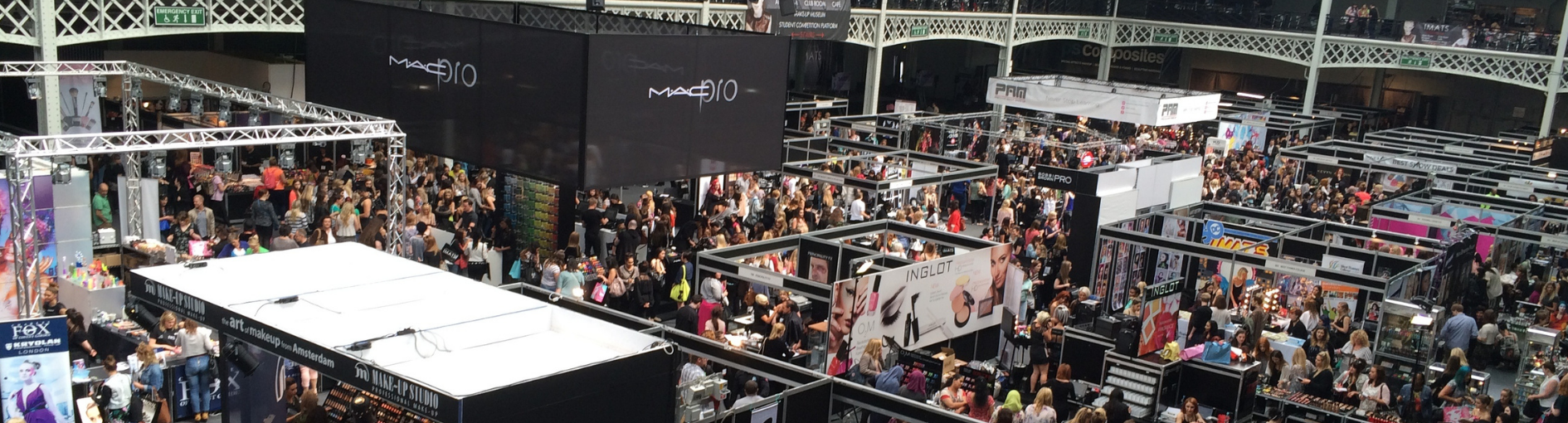

An event organizer building a bump-in schedule for a dozen or more suppliers and contractors is usually doing it the same way: a spreadsheet, a string of emails, and a phone on hand for whatever changes on the day. Then the day arrives, and three suppliers think they've been booked into the same 20-minute window at the same zone. Or a driver turns up with no information on the correct entry gate and associated loading zone.
Bump-in and bump-out cover an event's setup and pack-down periods, including every supplier, contractor, and exhibitor vehicle moving through the venue's docks, gates, and zones. The concept isn't the hard part. Coordinating it, communicating it, and getting every driver to the right spot on time, is.
Why does bump-in/bump-out scheduling break down so often?
Most of the friction comes down to how the schedule is built and shared, not the schedule itself, and it usually starts before booking even happens. Most venues ask organizers for a manifest instead of a real booking: a list of goods and quantities, a supplier name, a rough date. A manifest reads like a plan, but nothing in it is actually reserved. "Thursday" isn't a time slot, and every supplier reads it differently. It also has no link to the transport company actually doing the drop, which is often a separate business the supplier engages. The result is that unknown and unscheduled arrivals dominate the day. The manifest gives the venue a document, not control.
Booking is often manual, and changing it is even more so. Many convention centers will state that any enquiry about a booking request or appointment goes straight to an email inbox or "your Event Planner." Even at a major venue with a dedicated system, adjusting a slot still comes down to finding the right person and asking.
The organizer usually holds the master schedule in a spreadsheet, with no live view shared across the team. Suppliers, venue contacts, and on-site crew end up working from whatever version they last saw. The single most common logistics failure: two suppliers arriving at the same access zone at the same time, which cascades delays through the entire setup timeline. The fix is a shared source of truth for the arrival sequence, so a change to one supplier's window reaches the whole team without a follow-up message.
Add short, strictly enforced unloading windows and there's little margin left when a schedule slips or a driver goes to the wrong entrance, but that window isn't the same for everyone. Fast-turnaround suppliers, like food and beverage vendors or florists, are often held to a tight 15 to 30 minute slot. Contractors and stand builders are a different case entirely: a single build can run for hours and involve several trips through the same access point, so their time on site needs to be scheduled on its own terms rather than squeezed into a supplier-length window.
At scale, that mix multiplies the coordination challenge fast. Event industry professionals describe the build phase of a mid-size expo in similar terms across venues: hundreds of contractors on site, extensive truck and forklift movement, and pallet after pallet of goods arriving inside a tight build window. That volume, run through a manual process and a phone, is not something a spreadsheet can keep up with.
What does it cost when bump-in/bump-out isn't coordinated well?
For the length of bump-in and bump-out, an event site is legally treated as a worksite, with vehicles, forklifts, and people sharing tight space on a compressed timeline. That combination carries real weight: vehicle incidents are the single largest cause of workplace fatalities in Australia, accounting for 42% of all fatalities in the latest Safe Work Australia data. It's exactly that mixed vehicle-and-pedestrian environment event HR researchers Van Der Wagen and White point to directly, writing that installers are often "pressed for time" during bump-in, and that bump-out "carries an even higher risk" once everyone involved is exhausted (Human Resource Management for the Event Industry, 2014, p. 110).
What does a well-run bump-in/bump-out schedule actually need?
Venues already require advance booking rather than open, walk-up access, and vehicles without a booking simply aren't accepted. The venues doing this well go further: they publish what's actually available — docks, gates, zones, times, lift and forklift support — and let suppliers and contractors book directly against it, instead of submitting a manifest and hoping for the best.
Useful as this is, a single booking form still only solves booking for one supplier at one venue. It doesn't give an organizer, coordinating dozens of suppliers and contractors across an entire event, a live view of the full schedule. And it doesn't tell a driver where to go once they've got time booked. That's the gap that turns a booked slot into a confused truck circling the block.
How Veyor gives organisers control over bump-in/bump-out
Veyor gives the venue one place to define what's available, and gives every organizer, supplier, and contractor a live view of it, plus a way to book directly against it.
Live, self-service booking. Suppliers and contractors request a day and time directly against real venue availability. The organiser's team approves each request or moves it to a better slot, so nobody is assigning windows blind. Vehicle types are matched to bays automatically, so a semi can't book a car space, and the scheduler always serves the next available time, so two parties can't land on the same window.
Interactive site maps. Once the schedule is set, upcoming and in-progress deliveries, access points, and site activity all show up in one live view. Real-time overlays across zones mean crews and drivers know what's happening and where, updated instantly through the mobile app for anyone on the ground.
Driver check-in. Drivers get digital onboarding, a pre-arrival checklist, and site instructions sent straight to their phone before they leave for the venue. Compliance details are captured in advance, so every delivery reaches the right access point instead of guessing at the gate.
Driver and vehicle checks. Registrations, loads, and compliance are confirmed before entry, with digital pre-arrival checklists that keep records consistent across venues, including for unscheduled arrivals. That's a stronger audit trail with fewer delays at the gate.
Driver communication. Drivers are tagged to their booking and given an optimised route, approved entry point, turnaround area, and any safety notes. Route changes go out without a phone call, and the organiser can see in real time who's close and who's running late.
Entry point automation. Booked vehicles get through instantly, unplanned arrivals are stopped on the spot through any mobile device, and exceptions can be approved quickly. Restriction lists handle repeat offenders and trusted suppliers without extra admin.
Put together, this turns bump-in from a day of phone calls and guesswork into a schedule everyone can see and every driver can follow.
What does this look like at a real venue?
At one large convention centre in a busy downtown precinct, this plays out across two connected sites sharing a single Veyor configuration. Multiple event managers run their own events under one site team, all drawing on the same docks and zones that support a wide range of event and convention spaces across the centre. Suppliers who've already registered for one site simply choose which site's docks they need, rather than registering twice.
The venue built its own dock rules into driver induction: approach route, entrance lane and boom gate, intercom procedure, reverse-in bays, a site speed limit, engine-off requirements, hi-vis and footwear when assisting the load, and a defined exit queue. One dock is restricted to suppliers, exhibitors, event drops, and business-critical internal departments only — and that restriction is visible to every party at the point of booking. Short bookings are auto-approved, so the site team's attention goes to the arrivals that actually need a manual check.
Common mistakes when scheduling bump-in/bump-out
- Treating a manifest as a booking. A list of goods and a rough date isn't a reservation. Nothing in it is actually protected, and a date without a time doesn’t prevent double-bookings or overcrowding.
- Treating a booking form as the whole solution. A form captures one supplier's requested slot. It doesn't give the organiser a live view of the full schedule, and it doesn't tell a driver where to go. There’s still a lot of back and forth to coordinate times.
- Not building in buffer time. Traffic, permits, and equipment issues are common enough that a tight, back-to-back schedule is asking for an overrun.
- Leaving drivers to work out dock, gate, or zone assignment on arrival, instead of confirming it as part of the booking itself.
FAQ
What is bump-in and bump-out?
Bump-in and bump-out cover the setup and pack-down periods around an event, including supplier, contractor, and exhibitor vehicle access to the venue's docks, gates, and zones.
How long does bump-in/bump-out take?
It depends on event size, supplier count, and venue rules. Fast-turnaround suppliers, like food and beverage vendors or florists, are often held to short windows, commonly 15 to 30 minutes per vehicle. Contractors and stand builders are usually scheduled differently, since a single build can take hours and involve multiple trips through the same access point.
What happens if I miss my booked time slot?
Most venues will direct the vehicle out of the zone or into general parking, and overruns can trigger overtime charges or push back every supplier scheduled after you.
Who's responsible for booking a supplier's bump-in time, the organizer or the supplier?
Typically the supplier or contractor requests a day and time, and the organiser's team reviews it, approving the slot or moving it to a better one based on the venue's overall dock and zone capacity.
How do drivers know where to go when they arrive for bump-in?
Ideally, that information, including which dock, gate, bay, or zone, is confirmed as part of the booking itself, so drivers arrive with clear instructions instead of asking around on-site.
See Veyor for Events Vender Access Scheduling
See how Veyor gives event organisers one live schedule for every supplier and contractor's bump-in and bump-out, with clear wayfinding and driver check-in built in.

Get the latest insights into your inbox