Loading Dock Congestion Solutions: 6 Fixes That Don't Need More Space
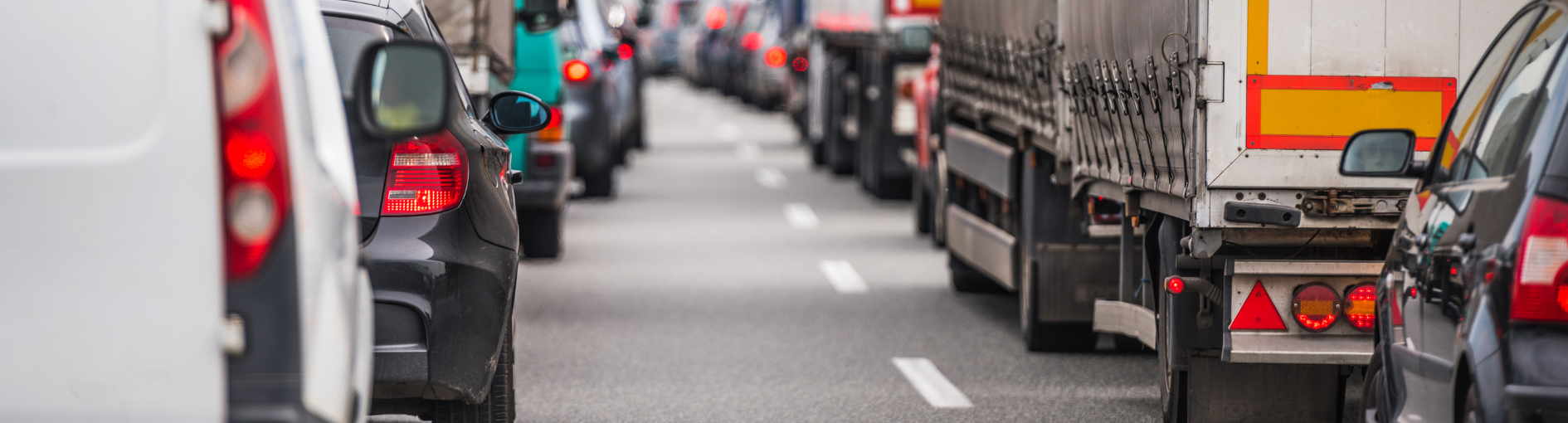
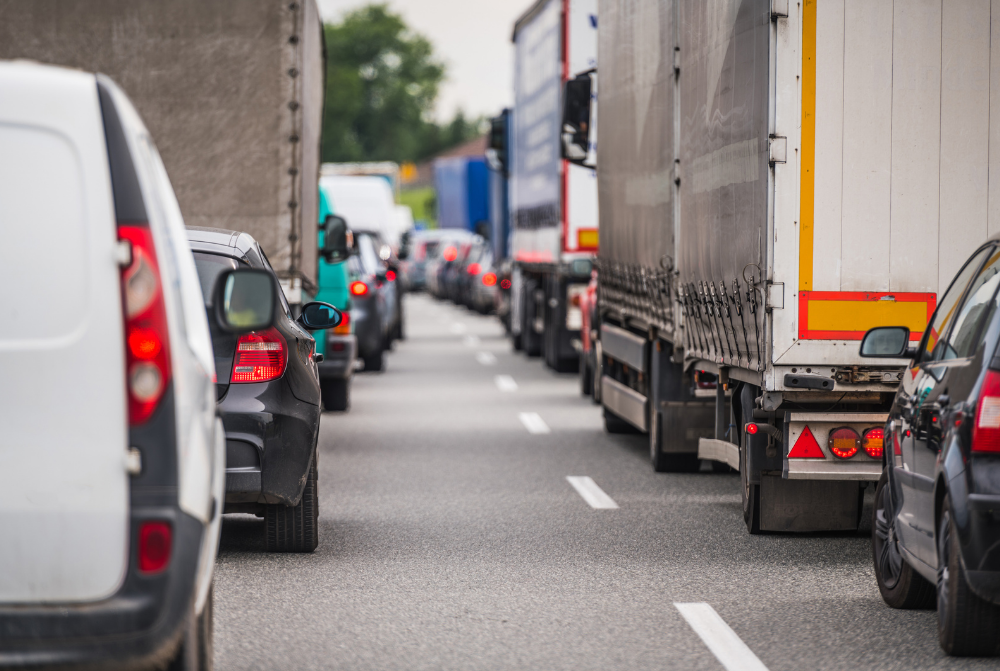
The fastest way to reduce loading dock congestion is to control when vehicles arrive and how long they stay. Booking windows, off-peak deliveries, clear bay rules and digital check-in do most of the work, and none of them need a bigger dock. These are the loading dock congestion solutions that hold up in busy office towers, shopping centers, hospitals and mixed-use buildings.
The cost of leaving congestion unmanaged is well documented. In 2023, US truck drivers were held for more than two hours at 39.3% of stops, according to the American Transportation Research Institute (ATRI). Every delay like that starts the same way: a vehicle that can't get to a bay when it arrives.
This guide covers what causes loading dock congestion, what it costs, seven practical fixes, and why adding space rarely solves the problem on its own.
What causes loading dock congestion?
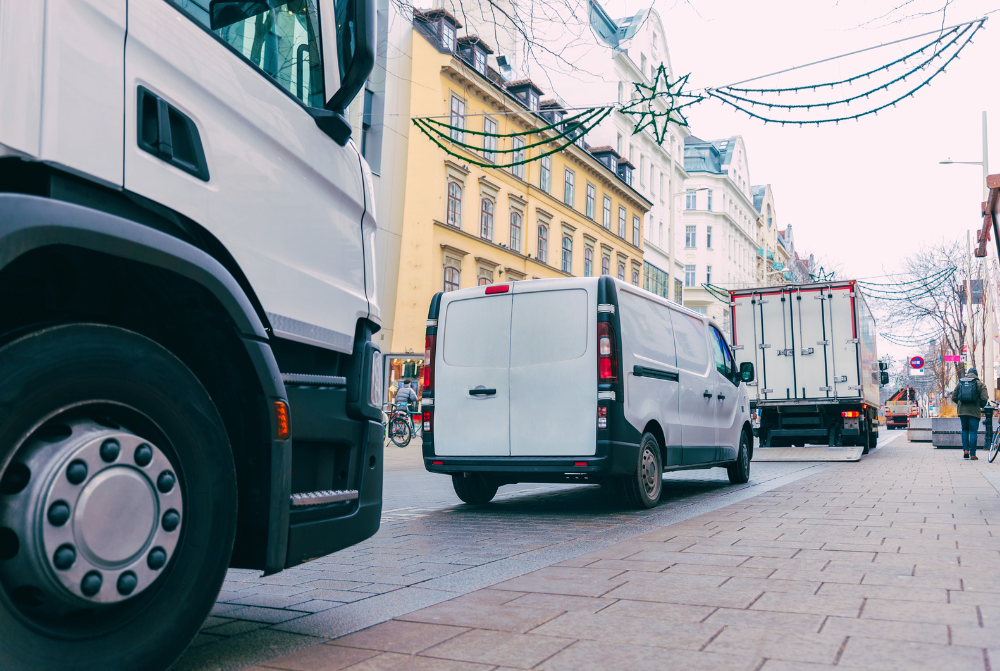
Most loading dock congestion is a timing problem, not a space problem. Deliveries cluster at the same hours of the day, so a dock that's quiet for much of the day fills up all at once.
A peer-reviewed study of two Singapore shopping malls shows the pattern clearly. Dalla Chiara and Cheah (2017) found the loading bays were full for about four hours a day on average, with peaks in the late morning and early afternoon. When the bays filled, drivers didn't wait. At one mall, only 31% of delivery vehicles parked in the loading bay at all. The rest used customer parking or the street.
That's the structural issue most buildings face. Arrivals aren't coordinated, so nobody can see the dock filling up until vehicles are already queuing. It isn't a failure of the dock team. It's a visibility gap that sign-in sheets and phone calls can't close.
What does loading dock congestion cost?
Congestion costs time on both sides of the dock: drivers waiting to unload, and building teams managing the fallout.
ATRI's 2024 study of driver detention counts waits of more than two hours. It found detention at 39.3% of stops in 2023. In for-hire trucking alone, that meant more than 135 million lost hours. ATRI estimated $3.6 billion in direct costs and $11.5 billion in lost productivity, plus more than 72 million gallons of diesel burned while waiting.
These are industry-wide figures, but they still reach your dock. Carriers know which stops run long, and they have every reason to avoid, or charge more to serve, sites where they can’t predict how long a delivery will take. At building level, the cost shows up as late tenant deliveries, vehicles parked where they shouldn't be, and noise and safety complaints landing on the property team.
What are the 6 fixes for loading dock congestion?
Each fix targets one of three things: when vehicles arrive, how long they stay, or how many vehicles need the dock at all. You don't need all seven. Start with booking windows, then add the fixes that match your building's delivery mix.
1. Book every delivery into a time window
Booking windows spread arrivals across the day instead of letting them pile up at peak hours. Suppliers, couriers and contractors book a slot in advance, and the dock team sees what's coming before it arrives.
The Singapore research shows why this matters. Loading docks were full for the same few hours. A shared booking schedule moves some of that peak demand into quieter slots.
2. Shift flexible deliveries to off-peak hours
Not every delivery needs to arrive at 10 am. Moving flexible deliveries to early morning, evening or overnight takes them out of the busiest window altogether.
The UK Department for Transport government's guidance found that well-managed loading docks at retail centers can run with minimal disturbance to neighbors and can shorten vehicle turnaround times.
3. Assign loading bays by vehicle size and booking
If a small van sits in the only bay that fits a box truck, the truck waits. Assigning bays at the time of booking, based on vehicle size and timing, keeps the right bay free for the right vehicle.
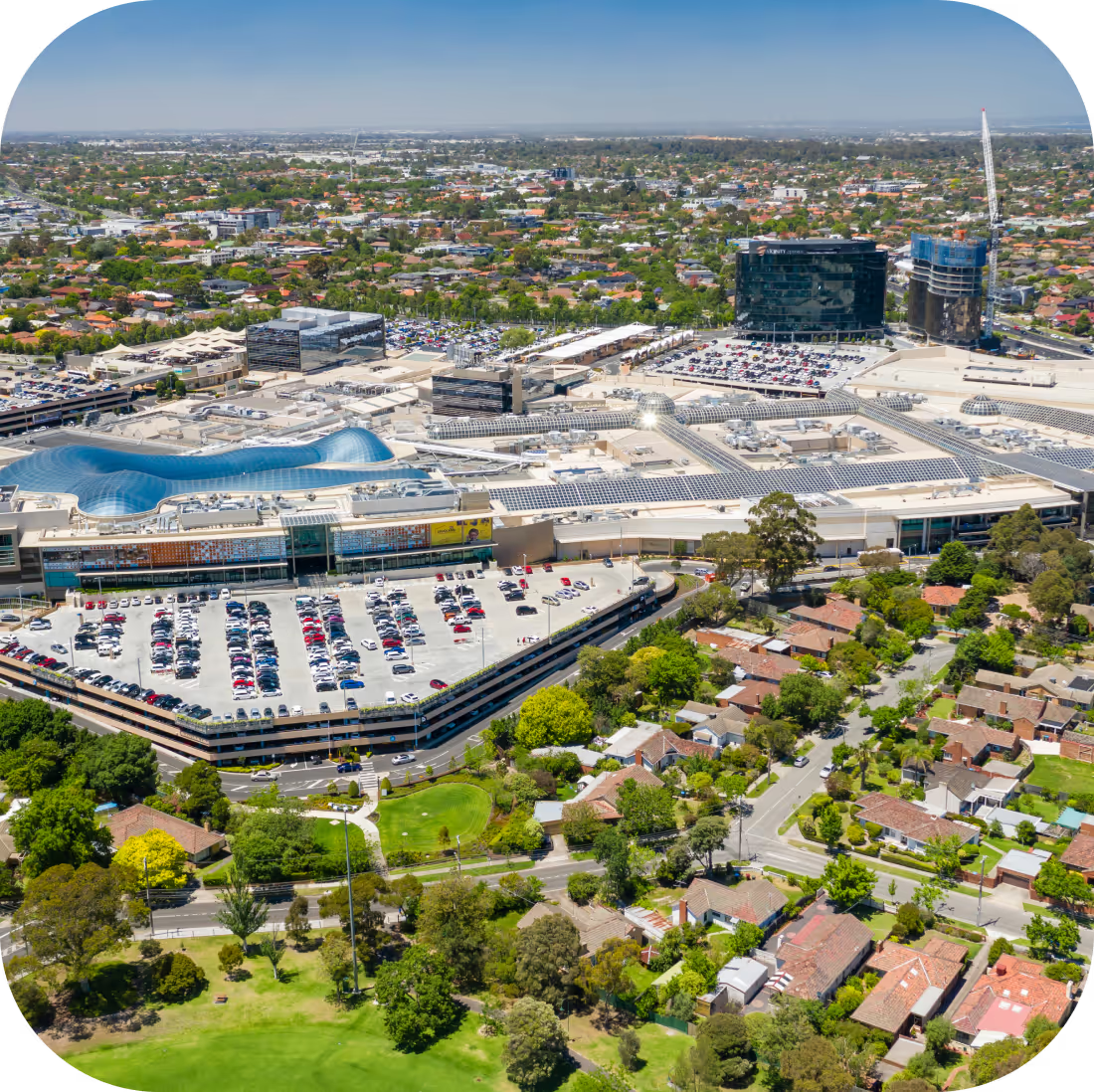
Chadstone, one of Australia’s largest shopping centers, shows what this looks like in practice. Before Veyor, nothing governed which vehicle went where, so drivers arrived, looked for a free bay and hoped for the best. Now, across a dock of nearly 30 bays, drivers arrive, go straight to their bay, unload and leave. Security staff who once spent mornings directing trucks now visit the dock once or twice a day, and peak trading periods run without holdups. Read the Chadstone case study.
4. Give tenant deliveries, contractors and services their own windows
A shared dock serves very different users: tenant stock deliveries, couriers, contractors, tenant moves, fit-outs, and facilities services. When they all compete for the same slots, the longest jobs block the shortest ones.
Separate windows or dedicated bays for each type of activity stop a two-hour tenant move from holding up a 10-minute courier drop. They also make the schedule easier for security and building management to read. For buildings where several tenants share one dock, see how to manage a shared loading dock across multiple tenants.
5. Set a maximum stay and enforce it
A booking only works if the vehicle leaves on time. One delivery that overstays pushes back every booking after it.
Set a booking length by vehicle and load type, then track arrivals and departures against it. In the Singapore mall study, vehicles stayed parked for about 30 minutes on average, so a handful of long stays can quickly use up a peak hour. Tracking overstays shows which suppliers regularly run long, so you can fix the pattern instead of chasing each delay.
6. Check drivers in digitally before they reach the bay
Paper sign-in sheets and on-the-spot inductions add minutes to every arrival, and a line of deliveries grows behind them. Digital check-in moves that work earlier. Drivers confirm site rules and vehicle details before they arrive, and the booking is matched to the vehicle at the gate.
This shortens the wait at the dock entrance and gives security a live record of who is on site and for which tenant. License plate recognition can take it a step further by opening the gate automatically for a booked vehicle. For more on access control, see loading dock security for commercial buildings.
Why doesn't adding more dock space fix congestion?
More space only helps if the dock is genuinely too small for the deliveries it handles. In most buildings, the problem is when vehicles arrive, not how many bays there are.
Without a schedule, arrivals still cluster at the same peak hours. A larger dock just takes a little longer to fill before the queue forms again. First-come, first-served access has the same flaw: it has no way to spread vehicles into the hours when the dock sits quiet.
Expansion is also slow and expensive, and in most existing buildings the dock footprint is fixed. Scheduling and bay rules work within the space you already have.
What does loading dock management software change?
Software turns the seven fixes into one shared system. Every delivery has a booking, every bay has a schedule, and everyone involved can see it.
With Veyor's loading dock scheduling software, suppliers and tenants book their own slots, building teams block out time for maintenance or fit-outs, drivers check in before they arrive, and overstays are tracked automatically. Building management sees every arrival in one place. Tenants check their own deliveries instead of calling the front desk. The dock fills to capacity, not past it.
Loading dock congestion FAQ
How do you reduce loading dock congestion?
Control arrival timing with booking windows, move flexible deliveries off-peak, and limit how long each vehicle stays. Clear bay rules and digital check-in then cut the time each vehicle spends at the entrance and in the bay.
What causes loading dock congestion?
Mostly arrivals that cluster at the same hours. A study of two Singapore malls found loading bays were full for about four hours a day on average, at late-morning and early-afternoon peaks, while drivers who couldn't get a bay parked elsewhere.
Does off-peak delivery reduce congestion?
It can. UK government guidance based on out-of-hours delivery trials found well-managed schemes can shorten vehicle turnaround times with minimal disturbance to neighbors, provided quiet equipment and clear noise rules are in place.
Is adding more dock space an effective fix for congestion?
Rarely on its own. If arrivals aren't scheduled, they still cluster at peak hours, and a larger dock fills up again, just slightly later.
How long should a delivery vehicle stay at a loading dock?
It depends on the vehicle and the load, so set booking lengths by delivery type. Tracking overstays shows which deliveries regularly run long.
See how Veyor books every delivery, assigns bays and checks drivers in before they arrive.



Get the latest insights into your inbox